




Planting Zone by ZIP Code: What Zone Am I In?
Answers: what planting zone am I in?
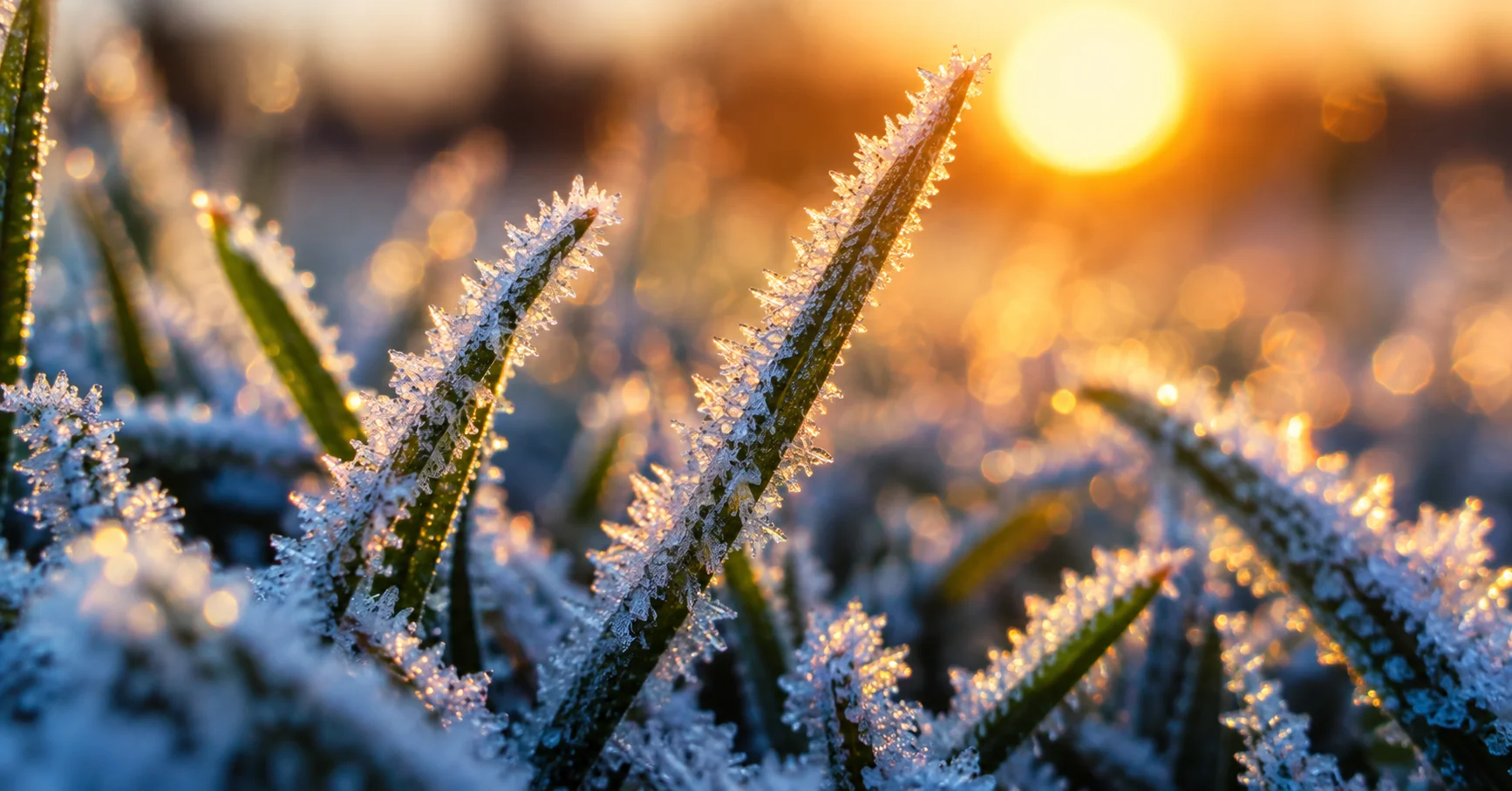
Frost dates, freeze odds and degree days from NOAA 1991–2020 normals, plus your USDA hardiness zone, for your ZIP code. The data behind every other page.
Set your ZIP to see dates for your area.
Answers: what planting zone am I in?
Answers: when is my last frost?
Typical timing for most of the US, starting this month. Set your ZIP and the guides shift every date to your frost dates.
 In season now
 What changed on the 2023 USDA hardiness zone map and why, with the 2012-to-2023 change for 39,899 ZIP codes by state and city.
 In season now
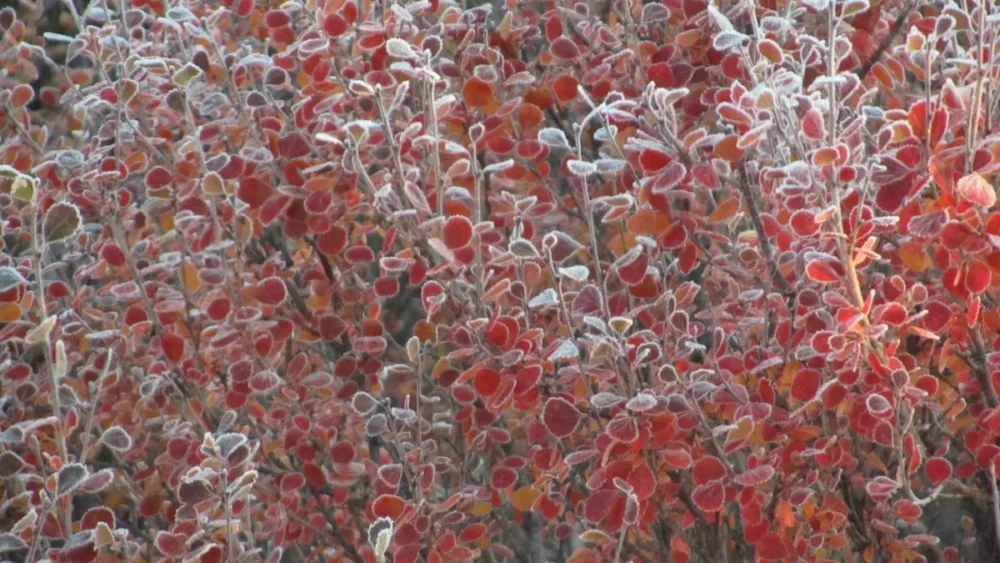
 Frost is ice on surfaces; a freeze is air at 32°F or colder. NWS alerts explained, and NOAA data on how each threshold changes your growing season.
 In season now
 Your zone measures winter’s coldest night; your frost dates time your planting. Across 38,384 ZIP codes, frost dates inside one half-zone still differ by weeks.
Try removing a season or content type. Or start with one of our most-read guides.
What changed on the 2023 USDA hardiness zone map and why, with the 2012-to-2023 change for 39,899 ZIP codes by state and city.
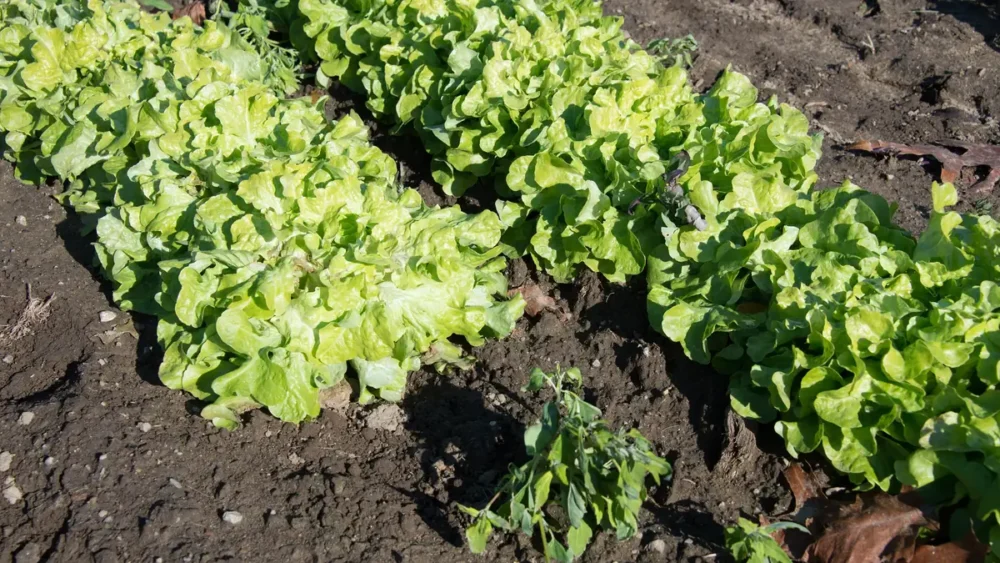
A last frost date is a probability, not a deadline. What NOAA’s 10%, 30%, 50% and 90% dates mean, and a test of how often they held up at 967 airport stations.
Frost is ice on surfaces; a freeze is air at 32°F or colder. NWS alerts explained, and NOAA data on how each threshold changes your growing season.
Your zone measures winter’s coldest night; your frost dates time your planting. Across 38,384 ZIP codes, frost dates inside one half-zone still differ by weeks.
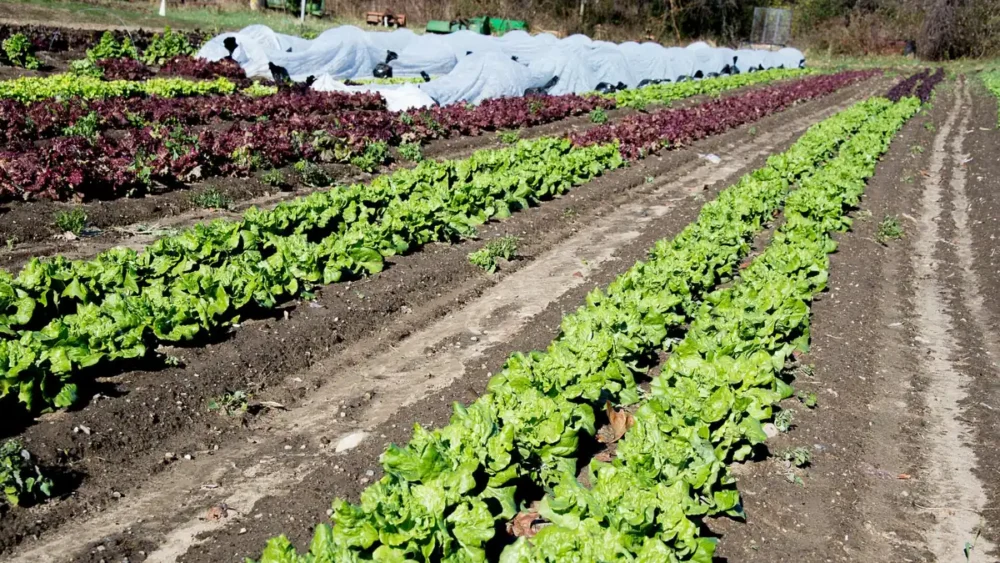
Cover tender plants at 36°F on clear, calm nights and always at 32°F; below about 28°F covers stop working. Thresholds, NWS alerts, how to cover, and fall frost dates for 24 cities.
This section holds the climate data the rest of the site runs on. Today that means frost dates for 41,488 US ZIP codes: the last spring and first fall 32°F nights at 10%, 30%, 50% and 90% odds, hard-freeze (28°F) dates, the length of the frost-free season, and annual heating and cooling degree days.
Every figure comes from NOAA NCEI U.S. Climate Normals for 1991–2020, taken from the weather station nearest your ZIP code’s center. Each result names that station and shows its distance and elevation. We publish no frost date when the nearest station is more than 50 miles away, or when frost happens in fewer than half of years. Planting zones, design temperatures and pool seasons are added only once each has a documented, sourced method. The methodology page lists every source, threshold and limitation.
Get a short email when it’s time to overseed, start seeds, open the pool or service your furnace — timed to your climate.