About this section
How we cover grass types
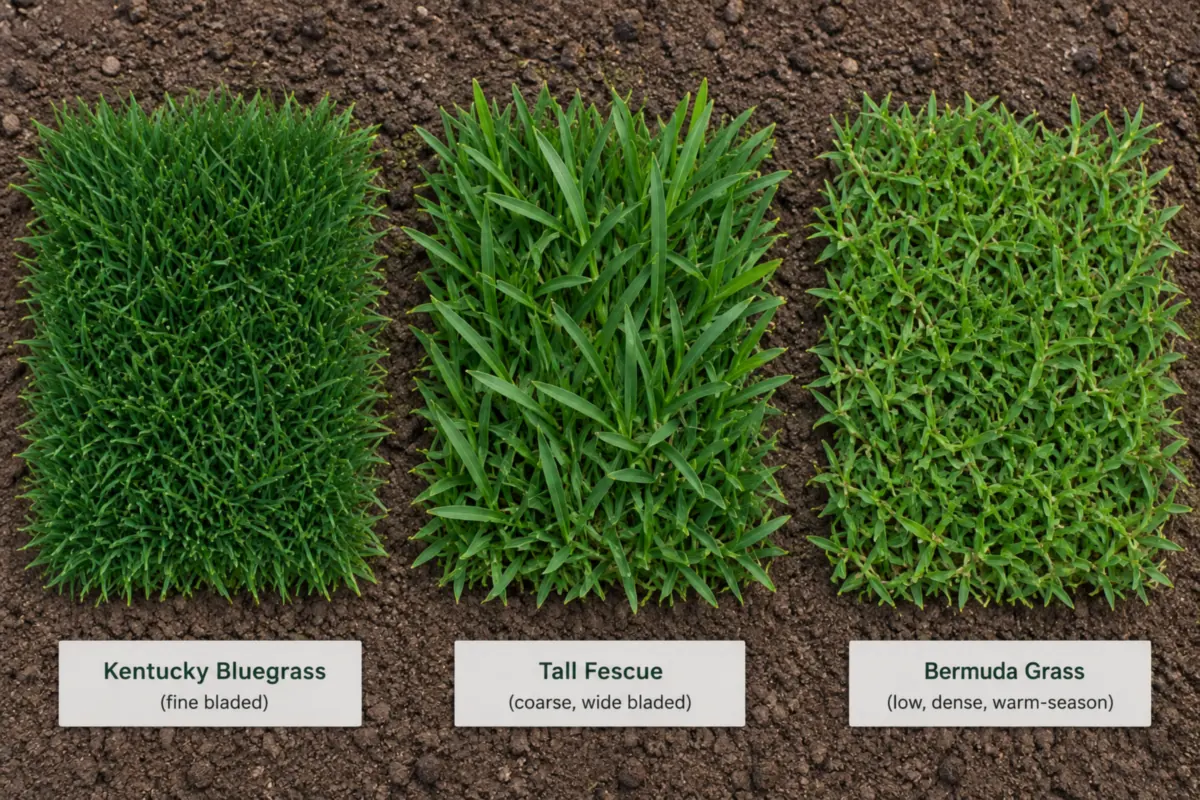
The right care starts with knowing what grass you have. Cool-season grasses grow best at air temperatures of 60–75°F and do most of their growing in spring and fall; warm-season grasses grow best at 80–95°F and go dormant and brown in winter. Between them sits the transition zone, where either type can struggle.
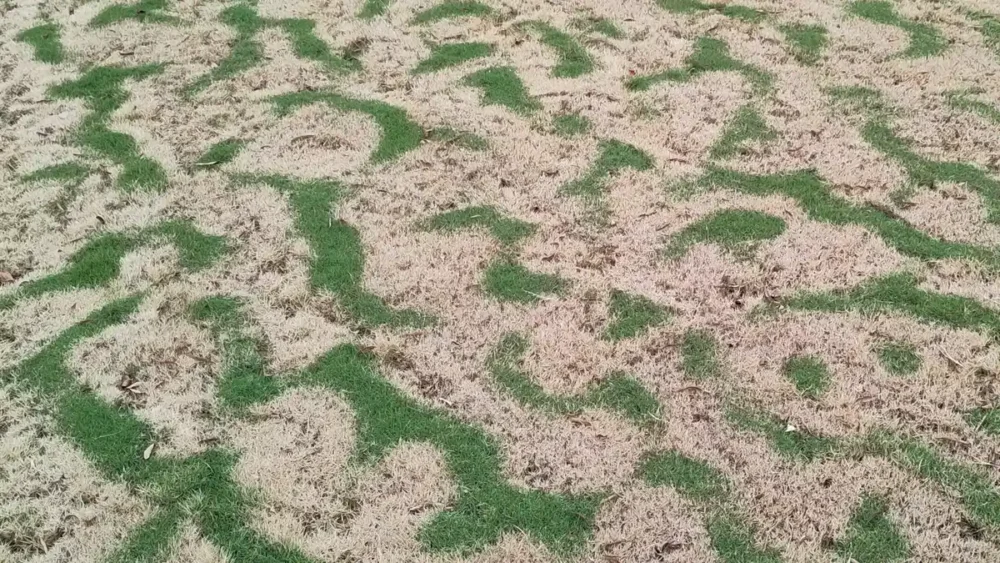
Cool-season vs warm-season grass shows how to tell yours apart in three checks and lists the prime growing weeks for 24 US cities from NOAA data. When Bermuda grass turns green gives green-up dates by state and city and explains why a lawn can be late.
Knowing the type decides when to seed, feed and mow, so these pages link onward to those guides.