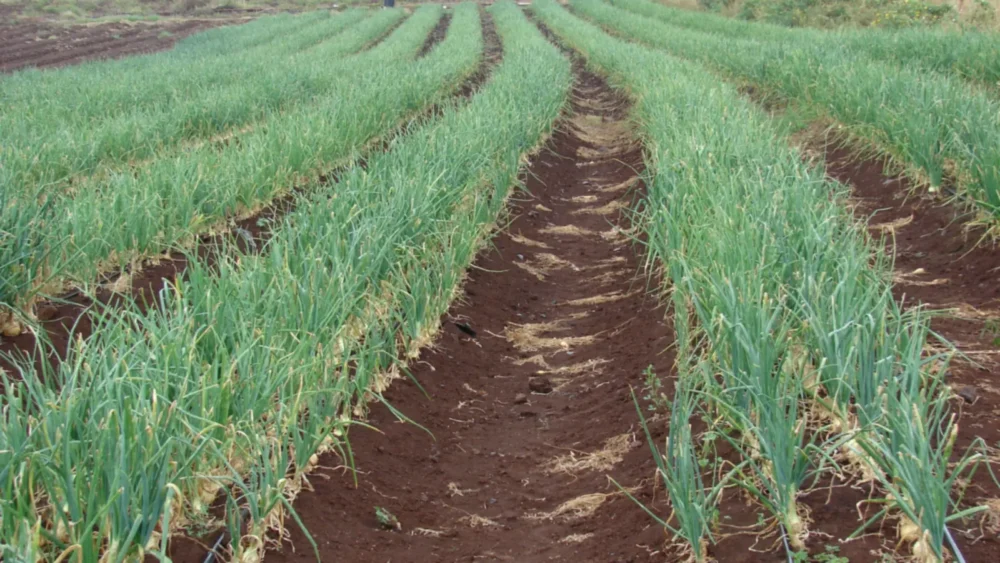
When to Plant Onions: Fall in the South, Spring in the North
Plant onion sets and transplants in the four weeks before your last frost, or in fall and winter in the Deep South. Dates for 27 cities and the onion type for every ZIP code's latitude.
Covers lawns, gardens, frost and planting. We write the guides and maintain the tools that tell you when to seed, feed and plant for your ZIP.
27 guides · 0 tools · reviewed by the Data & Methodology Desk
Named contributors with verifiable credentials will be listed here. This desk publishes as an organization until then.
Plant onion sets and transplants in the four weeks before your last frost, or in fall and winter in the Deep South. Dates for 27 cities and the onion type for every ZIP code's latitude.
Usually not. Mow a light or moderate layer of leaves into the lawn until your last mow, and remove only what hides the grass. Extension thresholds, the research, and leaf deadlines for 20 US cities from NOAA normals.
Lime a lawn only when a soil test shows low pH, and spread it in fall or winter on dry, unfrozen turf so it has months to work. pH targets by grass, extension rates, NOAA freeze data for 22 cities, and where the West can skip it.
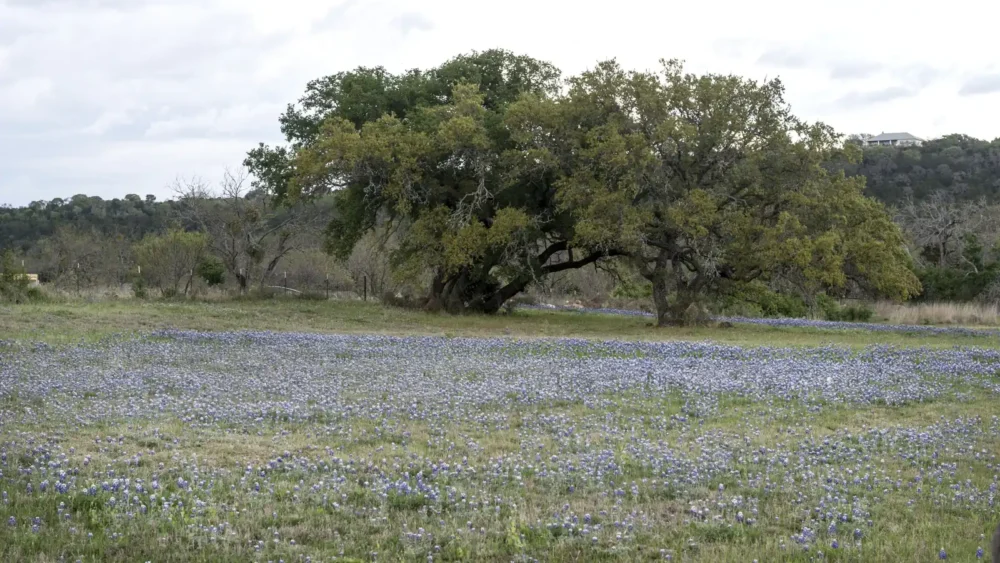
Most native wildflower seed does best sown in late fall or winter. Dormant-sowing dates for 24 US cities from NOAA hard-freeze normals, two common rules tested, and published calendars from Minnesota to Texas and Florida.
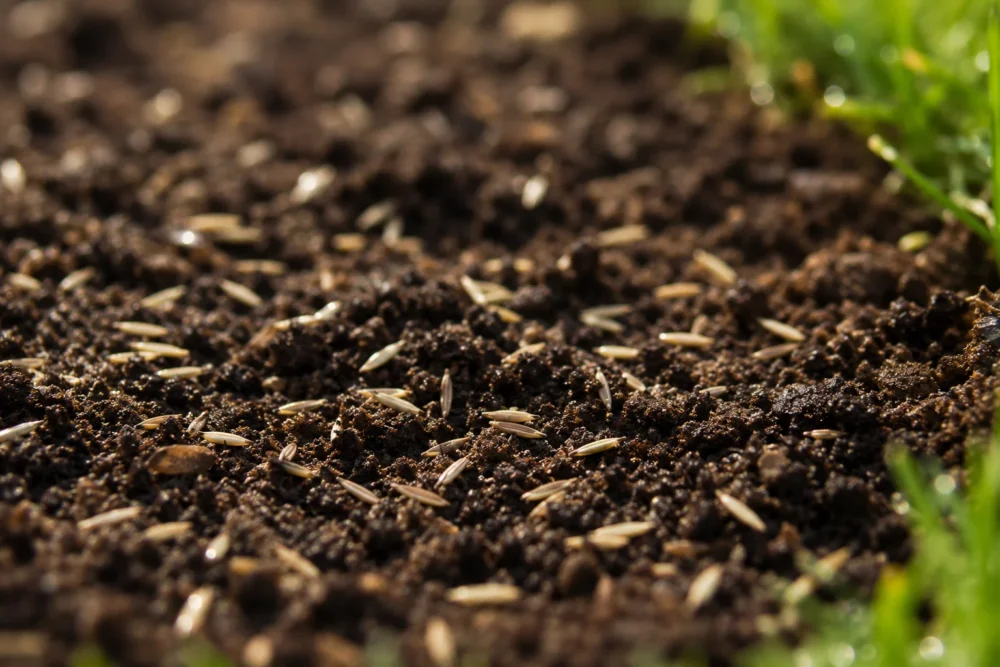
Most lawn grass seed germinates in 3 to 30 days, from about a week for ryegrass to a month for Kentucky bluegrass and Bermuda grass. NOAA’s measured soil temperatures show why early-fall seed comes up so much faster than spring seed.
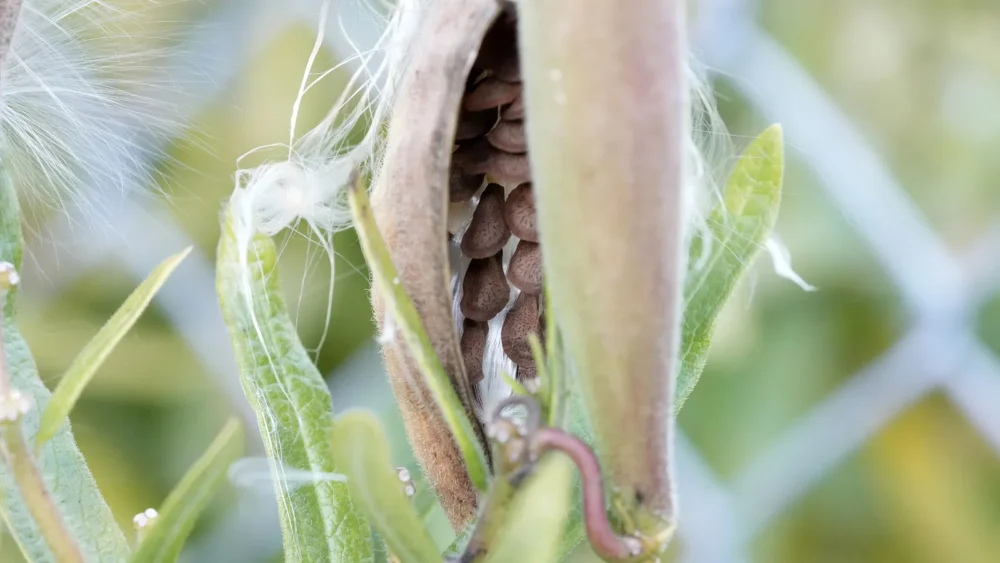
Sow seeds outdoors in covered jugs in winter and let the cold break their dormancy. Extension timing by seed type, plus the last start date for 30- and 60-day seeds in 22 cities from NOAA normals.
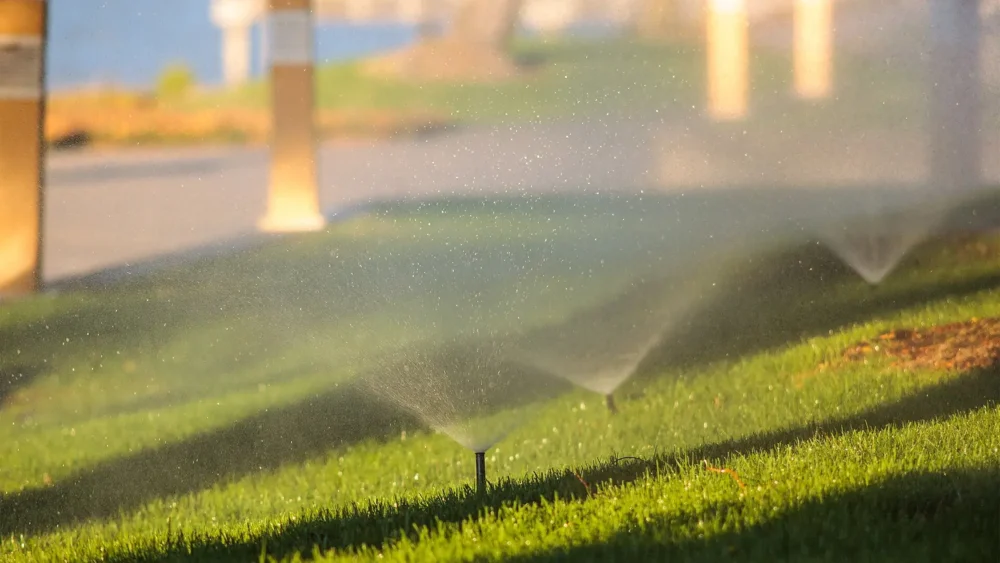
Drain a sprinkler system before the first fall freeze and no later than the first 28°F hard freeze. Normal-year freeze dates for 31 US cities from NOAA, the three drain methods and backflow protection.
Feed a cool-season lawn its winterizer around the last mowing, weeks after the first frost and before your state’s cut-off. Warm-season lawns get no late-fall nitrogen.
Plant daffodils from when fall nights reach 50°F until your first frost, before the 28°F hard freeze. Dates for 24 cities, checked against nine extension calendars, plus Southern types that need no chilling.
Count back from your first fall frost: days to maturity plus a 14-day fall factor, and 14 more for tender crops. Last planting dates for 20 US cities from NOAA normals.
Plant potatoes two to four weeks before your last frost, once 4-inch soil reaches 45°F. Dates for 22 cities from NOAA normals and 12 springs of measured soil data.
Bermuda grass greens up between the last spring frost and the first 60°F nights. Normal-year dates for 33 Southern cities from NOAA normals, checked against 13 extension reports, and why a lawn can be late.
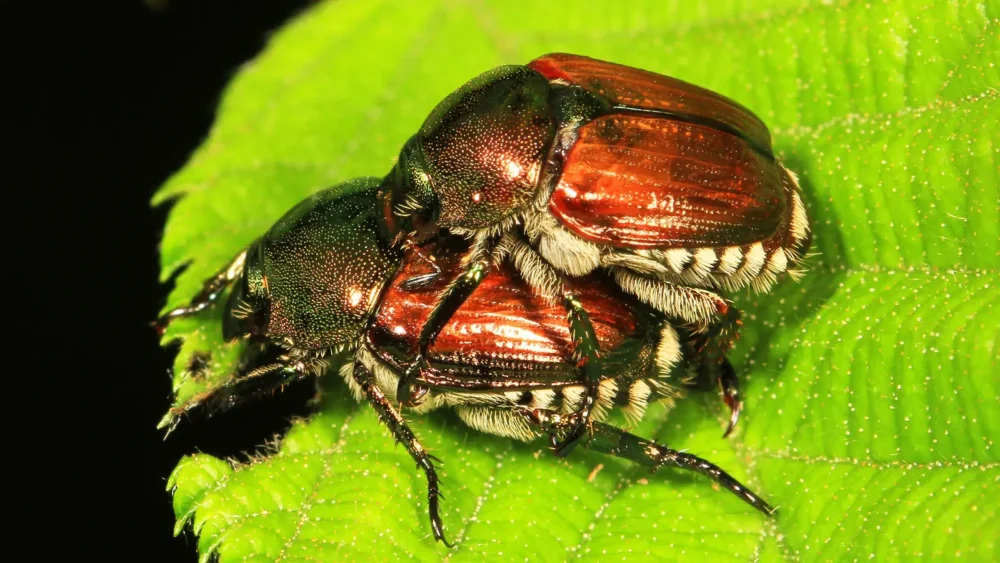
Put preventive grub control down as Japanese beetles lay eggs, usually mid-June to mid-July, and curatives in August. Normal-year beetle flight and preventive target dates for 29 US cities from NOAA normals, checked against extension advice.
Get cool-season seed down before the top 2 inches of soil reach 50°F, and wait for 65°F soil for Bermuda grass. Typical dates for 48 US cities from NOAA’s measured soil temperatures and climate normals.
Dormant seed a cool-season lawn once normal afternoon highs fall below about 40°F, and stop when they climb back. Winter windows for 23 Northern US cities from NOAA normals, checked against extension advice.
Cool-season lawns stop growing when daytime highs stay below about 50°F; warm-season lawns stop at the first frost. Normal-year dates for 40 US cities, checked against extension advice.
Most lawns need about 1 inch of water a week, rain included. How often to water, how long to run a sprinkler, and how much normal summer rain covers in 21 US cities.
Cool-season grasses grow best at 60–75°F highs, warm-season grasses at 80–95°F. Three identification checks, the transition zone, and prime growing weeks for 24 cities from NOAA normals.
Plant tulips as fall nights cool from 50°F to 40°F, finishing around your first frost. Dates for 24 cities, checked against 16 extension calendars, plus warm-winter chilling.
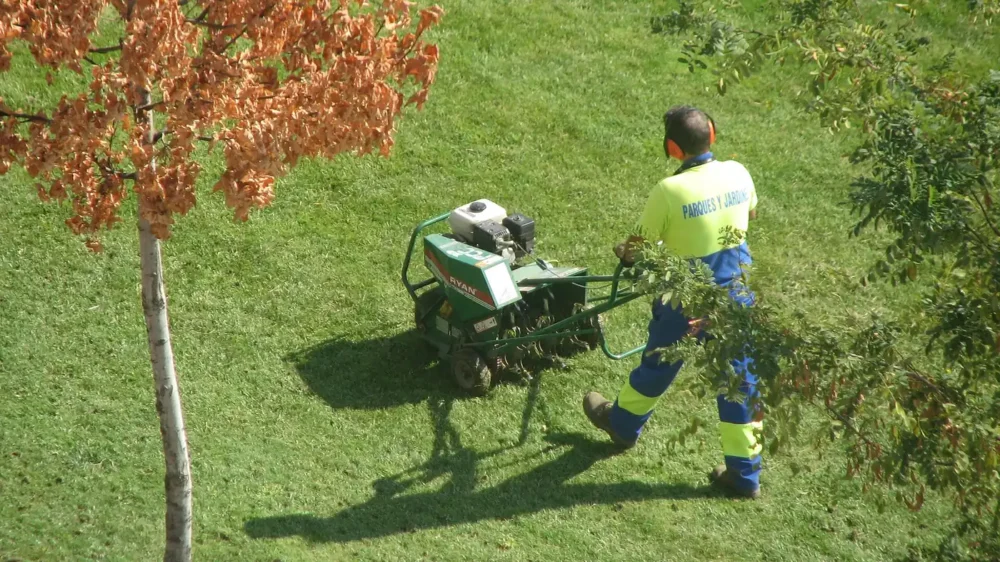
Core-aerate cool-season lawns in late summer to early fall and warm-season lawns in late spring to summer. Windows for 27 cities from NOAA normals, checked against extension calendars.
Cover tender plants at 36°F on clear, calm nights and always at 32°F; below about 28°F covers stop working. Thresholds, NWS alerts, how to cover, and fall frost dates for 24 cities.
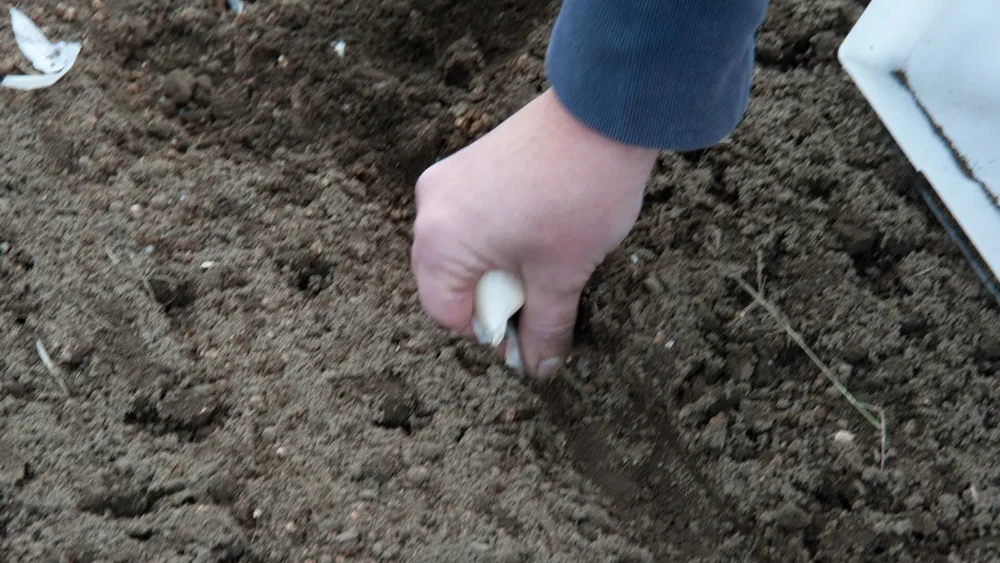
Plant garlic in the two weeks either side of your first fall frost. Dates for 22 US cities from NOAA normals, checked against 11 local extension calendars.
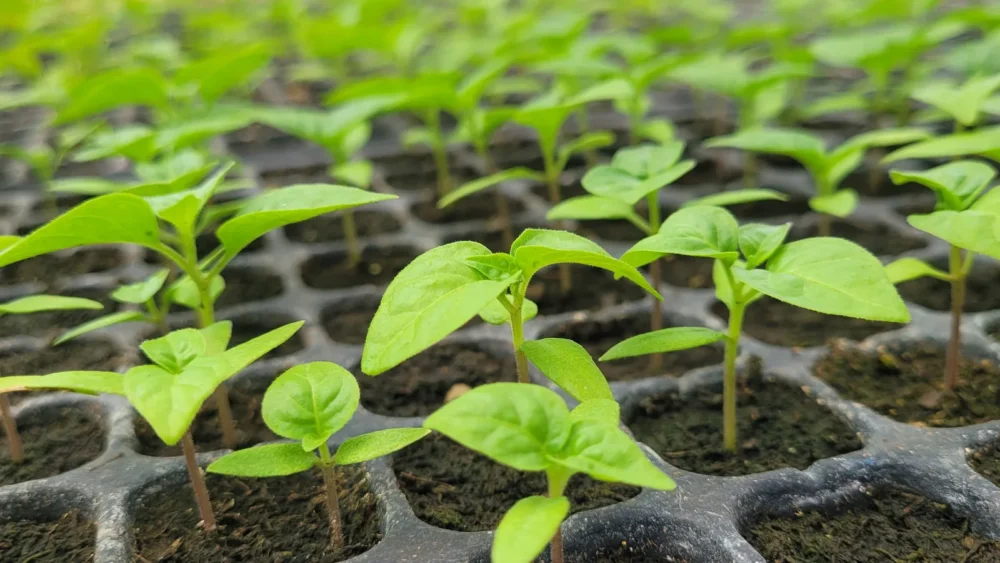
Count back from the day each crop goes outside, not from the last frost. A sourced crop chart plus seed-starting dates for 20 US cities from NOAA normals.
Apply crabgrass preventer when the top two inches of soil hold about 50–55°F. Typical windows for 22 cities from NOAA normals, checked against extension dates, plus Southern timing.
Cool-season lawns get their main feeding in early fall; warm-season lawns are fed after green-up and stop six weeks before frost. Schedule, bag math and dates for 20 cities.
Get a short email when it’s time to overseed, start seeds, open the pool or service your furnace — timed to your climate.