When to Plant Pumpkins: Count Back From Halloween, Not Forward From Frost
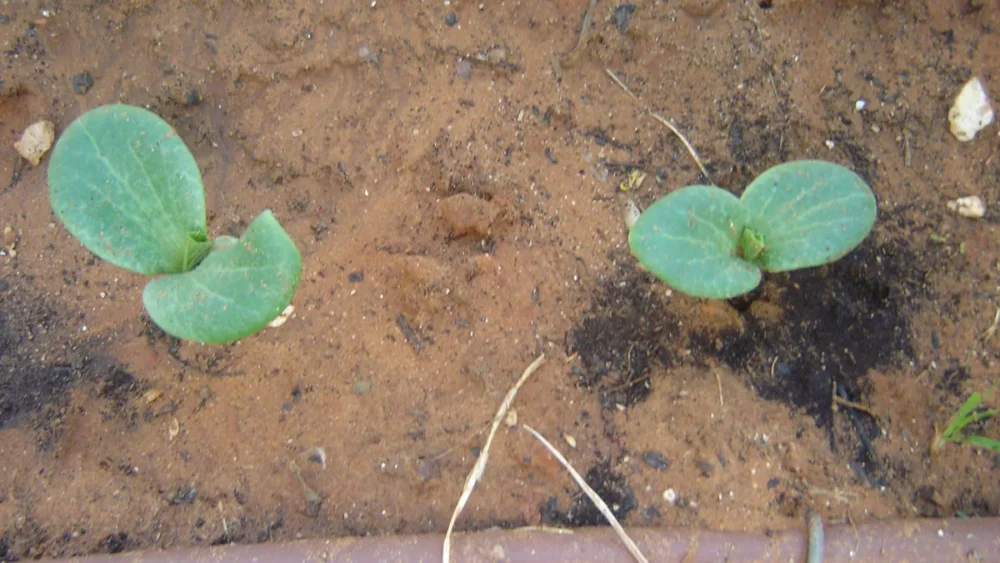
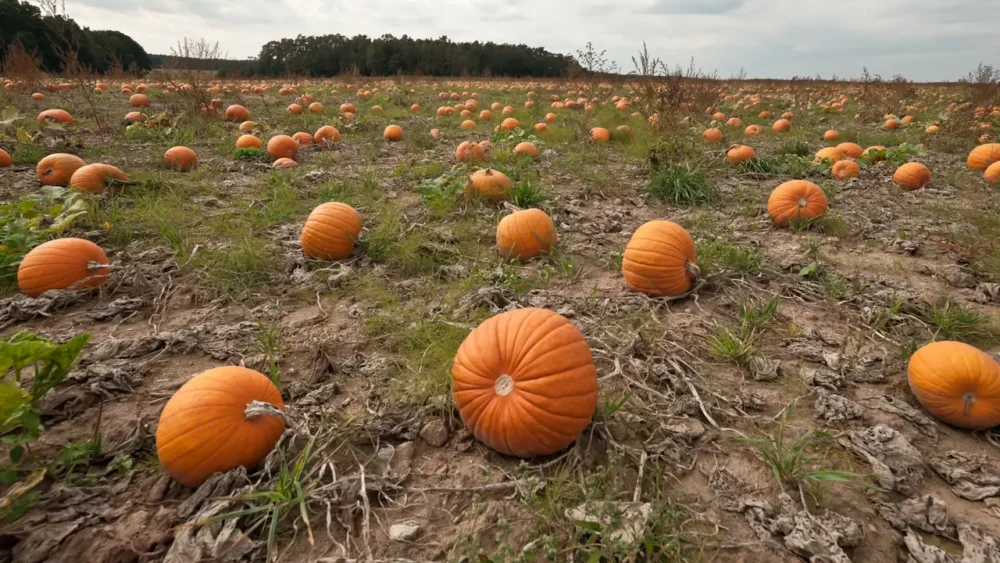
Sow pumpkins once the soil reaches about 65°F, a median 37 days after the last frost, then count back 90 to 120 days from Halloween or the first frost. Dates for 24 cities.

When to plant carrots, asparagus, green beans, cucumbers, tomatoes, peas, lettuce, spinach, broccoli, onions, potatoes, garlic, strawberries and fall crops, counted from your own frost dates.
Set your ZIP to see dates for your area.
Try removing a season or content type. Or start with one of our most-read guides.
Sow pumpkins once the soil reaches about 65°F, a median 37 days after the last frost, then count back 90 to 120 days from Halloween or the first frost. Dates for 24 cities.
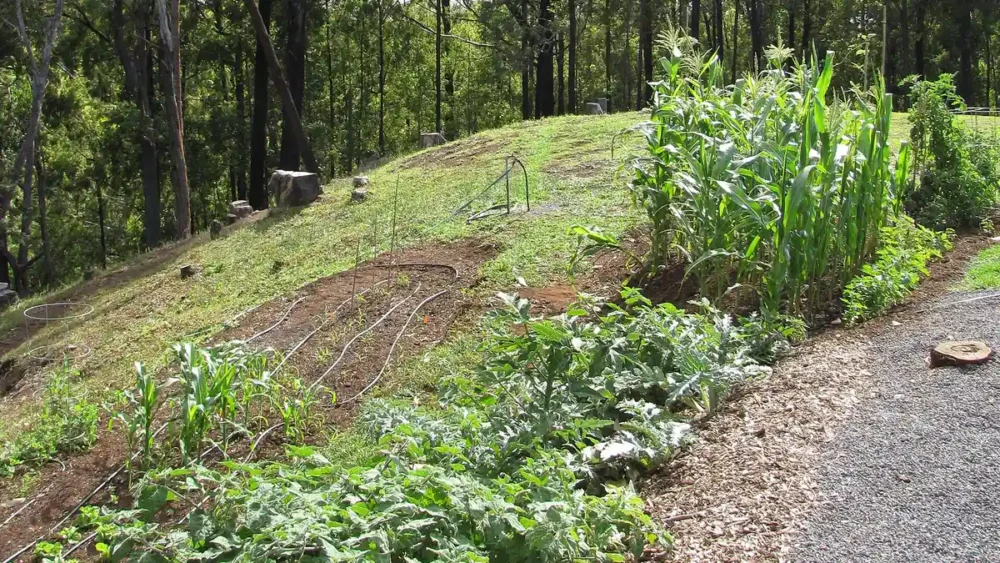
Sow standard sweet corn once the soil reaches about 55°F, sugar-enhanced at 60°F and supersweet at 65°F: a median April 25, May 9 and May 25. Dates for 28 spring and 21 fall cities.
Pick pumpkins when the rind resists a fingernail and the stem is dry, before a 28°F hard freeze. Median frost and freeze dates for 23 cities, plus curing and storage.
Plant asparagus crowns in early spring while dormant: May in Minnesota, January to March in the South. 17 city dates from NOAA frost data, and a zone test across 39,904 ZIP codes.
Sow spinach as soon as the soil can be worked, usually 4 to 6 weeks before your last frost, and stop about 42 days before highs reach 80°F. Dates for 22 spring and 18 fall cities, plus day-length tests.
Set broccoli transplants out 2 to 4 weeks before your last frost and stop about 60 days before the air mean reaches 70°F. Dates for 22 spring and 18 fall cities, plus cold and heat tests.
Sow carrots about 3 weeks before your last frost once the soil is 40°F, and allow up to 3 weeks to emerge. Dates for 22 spring and 18 fall cities, plus heat, crusting and winter mulch.
Sow green beans after your last frost and once the soil reaches 60°F, then every 2 to 3 weeks until 78 days before first frost. Dates for 22 cities, plus heat limits.
Sow cucumbers once the soil reaches about 65°F, a median 37 days after the last frost, and stop 83 days before the first fall frost. Dates for 24 spring and 20 fall cities.
Plant strawberries in fall in the South and in early spring in the North. Fall and spring windows for 22 cities, checked against NOAA frost dates and USDA hardiness zones.
Sow lettuce as soon as the soil can be worked, 2 to 4 weeks before your last frost, and stop about 50 days before the air mean reaches 70°F. Dates for 22 spring and 18 fall cities, plus a heat test.
Sow peas as soon as the ground thaws, 4 to 6 weeks before your last frost, and stop about 60 days before highs reach 80°F. Dates for 22 cities, plus the South's winter calendars and a fall test.
Plant onion sets and transplants in the four weeks before your last frost, or in fall and winter in the Deep South. Dates for 27 cities and the onion type for every ZIP code's latitude.
Count back from your first fall frost: days to maturity plus a 14-day fall factor, and 14 more for tender crops. Last planting dates for 20 US cities from NOAA normals.
Plant potatoes two to four weeks before your last frost, once 4-inch soil reaches 45°F. Dates for 22 cities from NOAA normals and 12 springs of measured soil data.
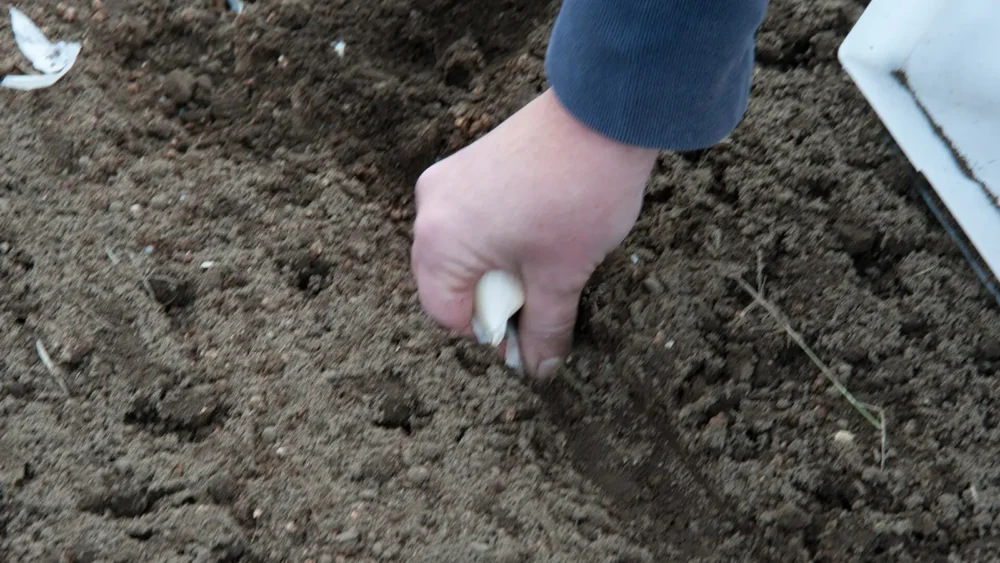
Plant garlic in the two weeks either side of your first fall frost. Dates for 22 US cities from NOAA normals, checked against 11 local extension calendars.
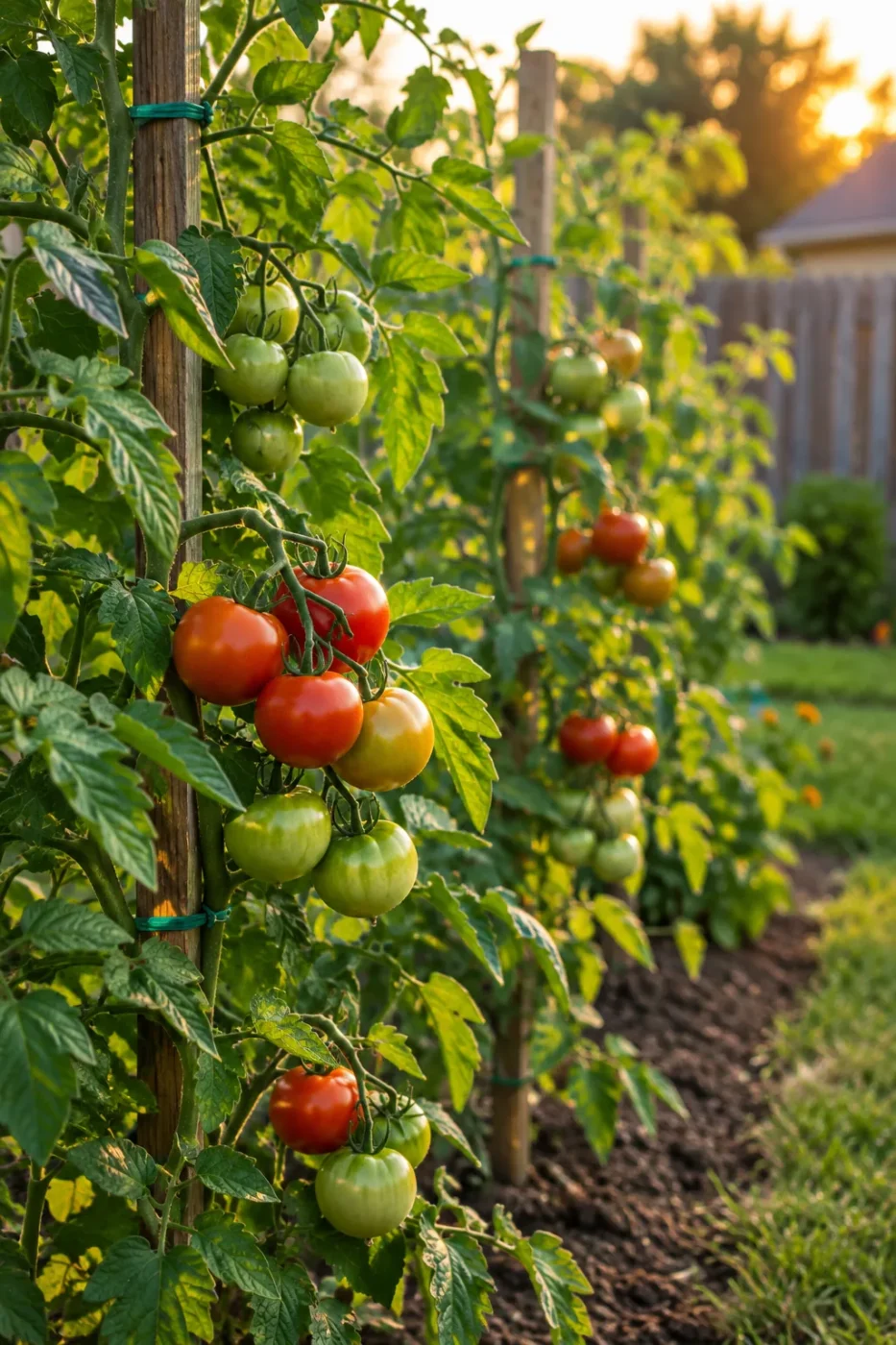
Plant tomatoes once frost risk is low and nights reach 50°F, usually 3–4 weeks after the average last frost. Dates for 26 cities from NOAA normals.
Vegetables fall into groups by how they handle cold and heat, and each group has its own planting rule. Cool-season crops such as peas, spinach, lettuce, broccoli and carrots go in 2–6 weeks before your last spring frost and fade in summer heat; warm-season crops such as tomatoes, cucumbers and green beans wait until soil and nights warm; garlic and strawberries are planted by season and region.
Every guide here counts from your own frost dates and temperature normals, shows dates for named US cities, and compares the result with extension calendars. For the cool-season group see peas, spinach, lettuce, broccoli, carrots and onions. For the warm-season group see tomatoes, cucumbers and green beans.
Other timing questions are answered by potatoes, garlic, asparagus, strawberries and fall vegetable planting dates. Find your frost dates with Frost Dates by ZIP Code.
Corn and pumpkins each get their own timing. When to plant corn matches the date to the type: about 55°F soil for standard sweet corn, 60°F for sugar-enhanced and 65°F for supersweet. When to plant pumpkins counts back 90 to 120 days from Halloween or your first frost, and when to harvest pumpkins covers the ripeness signs and the 28°F hard-freeze deadline.
Get a short email when it’s time to overseed, start seeds, open the pool or service your furnace, timed to your climate.