Planting Zone by ZIP Code: What Zone Am I In?
Answers: what planting zone am I in?
What frost dates and their odds mean, frost vs. freeze, and how to protect plants on a cold night.
Set your ZIP to see dates for your area.
Answers: what planting zone am I in?
Answers: when is my last frost?
Try removing a season or content type. Or start with one of our most-read guides.

The typical US ZIP code gets 107 nights a year at or below 32°F. NOAA counts at 32, 20, 10 and 0°F for 83 cities, every state and 40,789 ZIP codes.
A last frost date is a probability, not a deadline. What NOAA’s 10%, 30%, 50% and 90% dates mean, and a test of how often they held up at 967 airport stations.
Frost is ice on surfaces; a freeze is air at 32°F or colder. What 36°F, 32°F and 28°F mean, NWS alerts explained, and NOAA data on how each threshold changes your season.
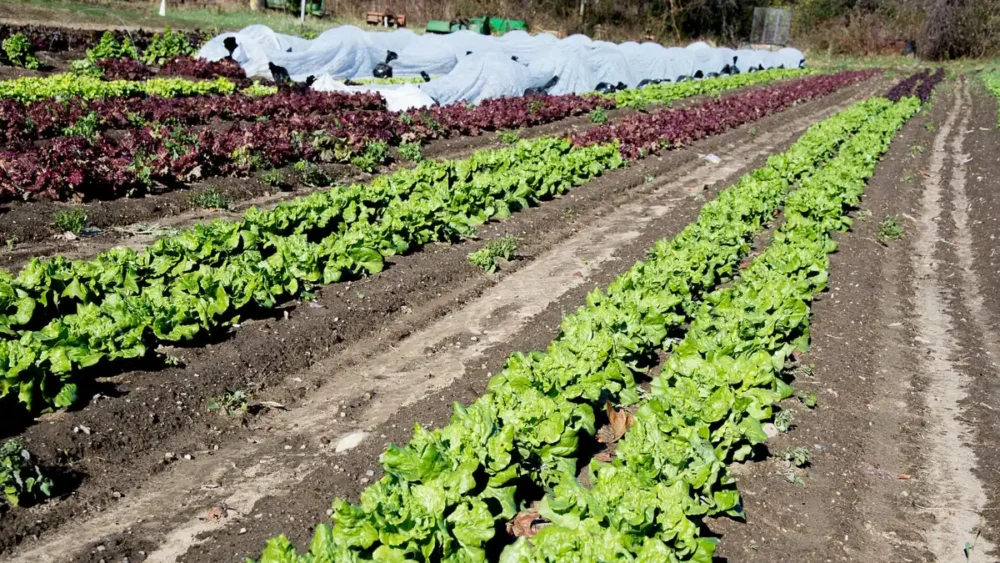
Cover tender plants at 36°F on clear, calm nights and always at 32°F; below about 28°F covers stop working. Thresholds, NWS alerts, how to cover, and fall frost dates for 24 cities.
A frost date is not a deadline; it is a probability. NOAA’s 1991–2020 normals give each station a 10%, 30%, 50%, 70% and 90% date for the last spring and first fall 32°F night, and the “average” date still has a freeze after it about one spring in two. What a last frost date is explains how to read those odds and how we tested them at 967 weather stations.
Frost and freeze are also not the same thing. Frost is ice forming on cold surfaces; a freeze is air at 32°F or colder, with or without frost, and the National Weather Service issues different alerts for each. Frost vs freeze lays out the alert criteria and shows how each cutoff changes the length of your growing season.
When a cold night is forecast, the practical question is what to cover and when. When to cover plants for frost gives the temperatures at which covers help, the point below about 28°F where they stop working, and the typical gap between the first freeze and the first hard freeze for a US ZIP code.
Every number on these pages comes from NOAA normals and extension-service guidance that we cite, and the tool Frost Dates by ZIP Code lets you look up your own station and see how far it is from your address.
Get a short email when it’s time to overseed, start seeds, open the pool or service your furnace, timed to your climate.