



When to Cover Plants for Frost: Temperatures, Timing and City Dates
The forecast low that should send you for the frost cloth, what each weather alert means, how to cover so it works, and how many days covers actually buy in 24 cities, from NOAA normals.
- Last reviewed Oct 4, 2026
- 16 cited sources
- 9 min read
Set your ZIP to see dates for your area.
- 1Cover tender plants when the forecast low is 36°F or colder on a clear, calm night, and always at 32°F or colder.
- 2Below about 28°F, covering is typically no longer effective (Iowa State Extension): harvest tender crops and bring pots inside.
- 3In a typical US ZIP code only 11 days separate the median first 32°F night from the first 28°F hard freeze (NOAA 1991–2020 normals).
- 4Cover in the late afternoon, drape the cover to the ground and anchor it; uncover next morning once it is above 32°F.
- 5Frost cloth protects by weight: about 2°F lightweight, 4–6°F medium, up to 8°F heavyweight (UMD Extension).
Cover tender plants when the forecast low is 36°F or colder on a clear, calm night, and always at 32°F or colder. Put the cover on in the late afternoon, let it reach the ground, and take it off the next morning once the air is above freezing. Below about 28°F a cover usually can’t save tender plants, so pick what you can and bring pots inside.7,3
That leaves a short window. In a typical US ZIP code, the median first 32°F night and the median first 28°F hard freeze are only 11 days apart in NOAA’s 1991–2020 climate normals.1 For what separates a frost from a freeze, and what each National Weather Service alert means, see frost vs. freeze.
What temperature to cover plants
Frost can form before the thermometer reaches 32°F, because leaves lose heat to a clear sky faster than the air does. The National Weather Service says frost often forms when the standard thermometer reads in the mid-30s,3 and its Memphis office uses a 36°F low as its estimate of a frost night.5

| Forecast low | What it means | What to do |
|---|---|---|
| 37–40°F | Frost unlikely; tropical plants can be set back below 40°F | Move tropical pots under cover |
| 33–36°F | Frost possible on clear, calm nights (NWS frost advisory range) | Cover tender plants |
| 29–32°F | Freeze: tender plants damaged without a cover | Cover tender plants; use a heavier cover |
| 28°F or below | Hard freeze: kills most vegetation; covers typically stop working | Harvest tender crops; bring pots inside |
| Mid-20s or below | Limit for hardy crops such as kale | Harvest the hardy crops you want |
Sources: NWS glossary,2 Iowa State7,8 and UF/IFAS.12 Below 28°F, says Iowa State’s frost guide,
covering is typically no longer effective at preventing cold damage
Duration matters too: covered plants can be damaged above 28°F when a freeze lasts 5 hours or more.7 Asked for a “magic number,” a UF/IFAS agent answered:
It’s more about how long it stays below freezing.
Which plants need covering
Purdue and Iowa State sort vegetables into three groups (they differ on a few, such as cauliflower).9,8
| Group | Survives down to | Examples |
|---|---|---|
| Tender: cover first | Damaged by a light frost | Tomato, pepper, eggplant, beans, cucumber, squash, melons, okra, sweet corn, sweet potato |
| Semi-hardy | Upper 20s°F | Lettuce, spinach, chard, beets, carrots, celery, potato, turnip |
| Hardy | Mid to low 20s°F | Kale, collards, cabbage, broccoli, Brussels sprouts, onion, parsley, peas, radish |
Annual flowers and tropical plants belong with the tender group. Trees, shrubs, roses and established perennials need cold to go dormant and don’t need fall covers.7 Potted plants are the exception: container soil gets almost as cold as the air.13
Late frosts in spring
The same temperatures apply in spring, but fewer plants need help. Iowa State says the ones worth covering are vegetables, annuals and tropical plants set out early. The new shoots of tulips, daffodils and most perennials tolerate the low 30s and upper 20s°F.7
Blossoms and new leaves on fruit trees and shrubs can be damaged, but Iowa State calls covering them impractical: the plant survives, and only that year’s flowers or fruit suffer.7 The surest protection is timing. Iowa State advises waiting until after the typical frost-free date to plant tomatoes, peppers and green beans;7 our guide on when to plant tomatoes gives dates by city.
Frost advisory, freeze watch and freeze warning
The National Weather Service uses three alerts for plant-killing cold:4,2
- Frost advisory: widespread frost expected, usually with lows in the mid-30s (33–36°F, per Iowa State).7 Cover tender plants.
- Freeze watch: widespread freezing temperatures possible in the next 24 to 36 hours. Get covers and weights ready.
- Freeze warning: below 32°F for an extended period over a large area, frost or not. Cover what you can save and harvest the rest.
These alerts run only during the growing season. NWS Binghamton says they normally end after a freeze in a forecast zone or two weeks after the median first fall freeze, and Northeast offices tested fixed end dates about 10 days after that median in fall 2023.6 Late in fall, watch the forecast low yourself. The frost dates tool explains frost vs. freeze dates.
How long covering helps: fall frost dates by city
Covers pay off between the first frosty nights and the first hard freeze. We measured that stretch for every US ZIP code from the nearest NOAA station.1
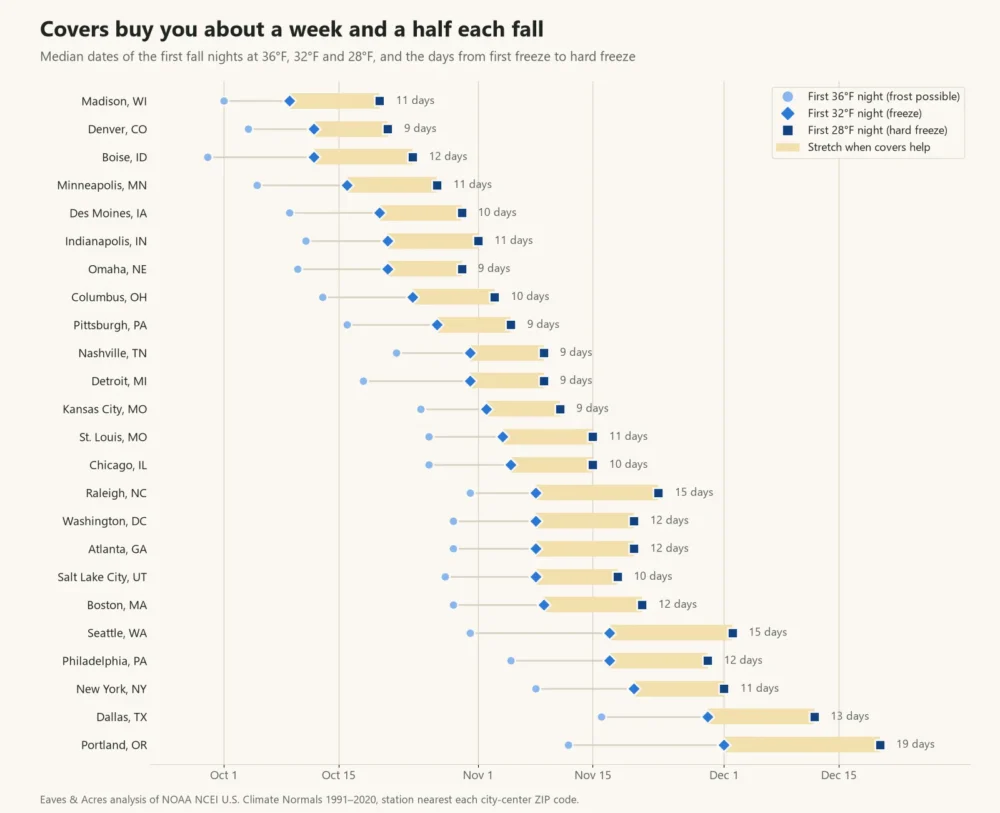
A 36°F night comes a median 10 days before the first 32°F night, and the hard freeze 11 days after that.
| City (ZIP) | First 36°F night | First 32°F, 1 year in 10 | First 32°F (median) | First 28°F hard freeze | Days covers help (32°F to 28°F) |
|---|---|---|---|---|---|
| Madison, WI (53703) | Oct 1 | Sep 26 | Oct 9 | Oct 20 | 11 |
| Boise, ID (83702) | Sep 29 | Sep 27 | Oct 12 | Oct 24 | 12 |
| Denver, CO (80202) | Oct 4 | Sep 28 | Oct 12 | Oct 21 | 9 |
| Minneapolis, MN (55401) | Oct 5 | Oct 2 | Oct 16 | Oct 27 | 11 |
| Des Moines, IA (50309) | Oct 9 | Oct 4 | Oct 20 | Oct 30 | 10 |
| Omaha, NE (68102) | Oct 10 | Oct 6 | Oct 21 | Oct 30 | 9 |
| Indianapolis, IN (46204) | Oct 11 | Oct 7 | Oct 21 | Nov 1 | 11 |
| Columbus, OH (43215) | Oct 13 | Oct 13 | Oct 24 | Nov 3 | 10 |
| Pittsburgh, PA (15222) | Oct 16 | Oct 13 | Oct 27 | Nov 5 | 9 |
| Detroit, MI (48201) | Oct 18 | Oct 17 | Oct 31 | Nov 9 | 9 |
| Nashville, TN (37201) | Oct 22 | Oct 18 | Oct 31 | Nov 9 | 9 |
| Kansas City, MO (64105) | Oct 25 | Oct 21 | Nov 2 | Nov 11 | 9 |
| St. Louis, MO (63101) | Oct 26 | Oct 24 | Nov 4 | Nov 15 | 11 |
| Chicago, IL (60601) | Oct 26 | Oct 24 | Nov 5 | Nov 15 | 10 |
| Salt Lake City, UT (84101) | Oct 28 | Oct 23 | Nov 8 | Nov 18 | 10 |
| Atlanta, GA (30303) | Oct 29 | Oct 27 | Nov 8 | Nov 20 | 12 |
| Washington, DC (20001) | Oct 29 | Oct 26 | Nov 8 | Nov 20 | 12 |
| Raleigh, NC (27601) | Oct 31 | Oct 28 | Nov 8 | Nov 23 | 15 |
| Boston, MA (02108) | Oct 29 | Oct 29 | Nov 9 | Nov 21 | 12 |
| Philadelphia, PA (19103) | Nov 5 | Nov 4 | Nov 17 | Nov 29 | 12 |
| Seattle, WA (98101) | Oct 31 | Nov 1 | Nov 17 | Dec 2 | 15 |
| New York, NY (10001) | Nov 8 | Nov 6 | Nov 20 | Dec 1 | 11 |
| Dallas, TX (75201) | Nov 16 | Nov 10 | Nov 29 | Dec 12 | 13 |
| Portland, OR (97204) | Nov 12 | Nov 10 | Dec 1 | Dec 20 | 19 |
Dates are medians except the “1 year in 10” column: a 10% chance of the first 32°F night before that date. For other places, look up your ZIP code’s frost and hard-freeze dates.
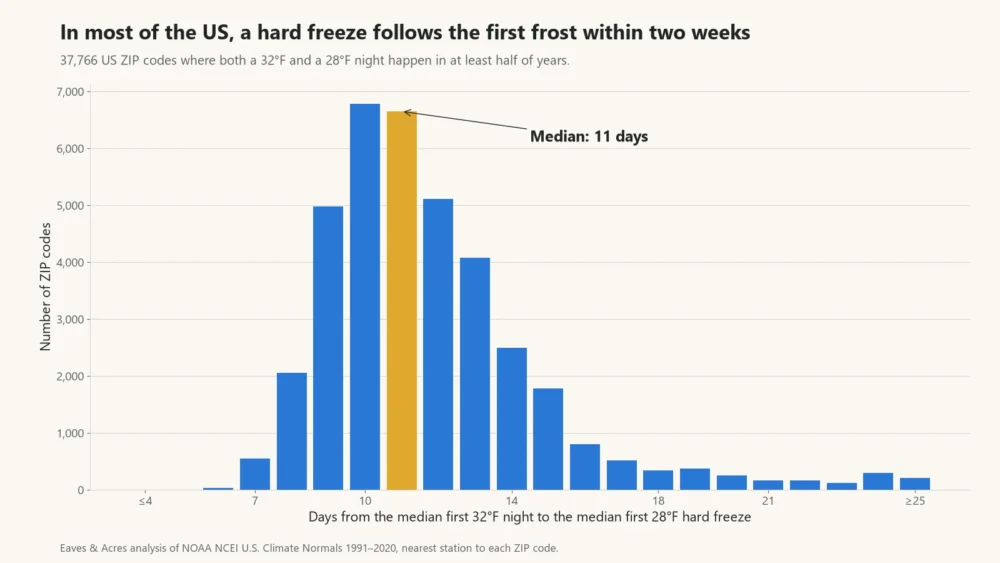
Across 37,766 ZIP codes, half get 10 to 13 days from first freeze to hard freeze; only 2.5% get 3 weeks or more. Spring is similar: the last 32°F night comes a median 12 days after the last 28°F night.
Early hard freezes happen too: in a typical ZIP code there is a 1-in-10 chance of a 28°F night by about 4 days before the median first-frost date.1 As of early October, about a third of US ZIP codes have passed their 1-in-10 first-frost date, Minneapolis, Madison, Denver and Boise among them. The same 28°F date sets the deadline in our overseeding guide.
Why covers can’t stretch the season further
A cover only holds in the soil’s stored heat. Colorado State University Extension notes that a cold front can bring an advective freeze far below critical levels, where covers may not help. Clear, calm radiation frosts at the ends of the season are:11
typically only a few degrees below critical levels, making crop protection worthwhile
Use covers for the first light frosts, not a hard freeze.
How to cover plants for frost
Cover in the late afternoon
Get covers on before the soil loses the day’s heat. Drape them to the ground, since the warmth comes from the soil,13 and weigh the edges down with bricks, rocks or soil.10 Never tie a cover around the stem; extension agents call that a “lollipop.”12
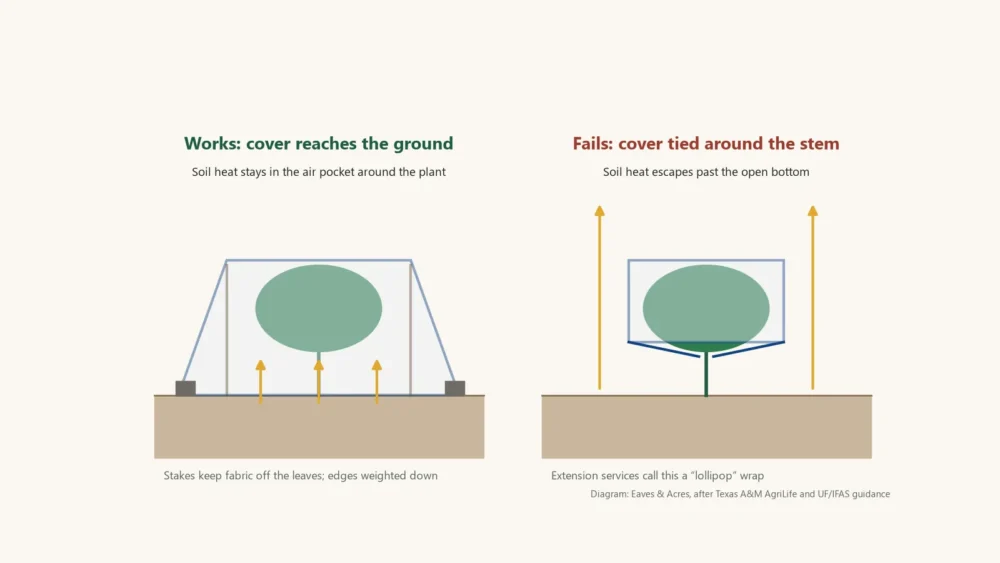
A cover that reaches the ground keeps soil heat around the plant. Add warmth on colder nights
Plastic over fabric holds in more heat, and water-filled milk jugs under the cover release it slowly. Holiday lights help only if they give off heat; some newer types don’t. Mind fire and shock risks.13
What to cover plants with
Frost cloth is row cover, rated by weight. The University of Maryland Extension gives these ranges:10
| Cover | Protection | Notes |
|---|---|---|
| Lightweight row cover (0.45 oz/sq yd) | About 2°F | Sold as insect barrier |
| Medium row cover (0.5–1.0 oz/sq yd) | 4–6°F | Spring and fall crops |
| Heavyweight row cover (1.5–2.2 oz/sq yd) | Up to 8°F | Blocks half or more of the light; use supports |
| Sheets, blankets | Works while dry | Wet fabric chills; remove by day |
| Plastic sheeting | Adds heat over fabric | Never touching leaves; vent in sun |
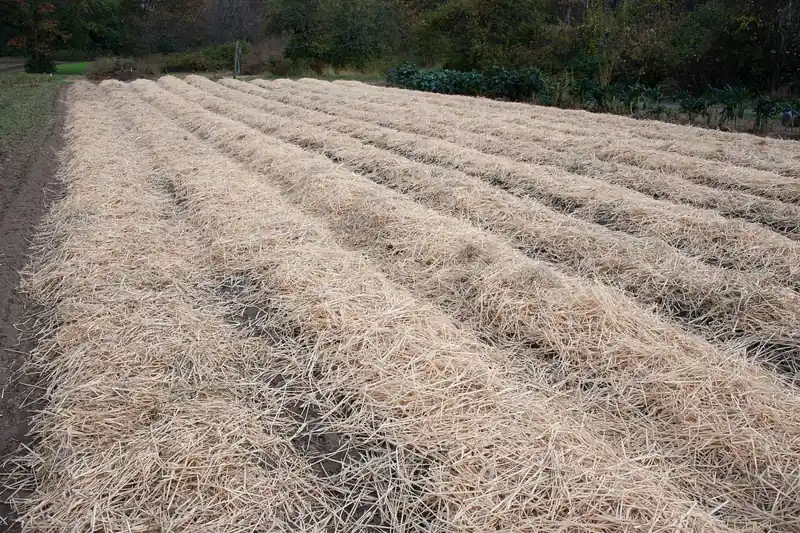
| Straw or hay | A few degrees | Small plants |
Open plastic by day: an hour of sun can push the air under a closed cover past 130°F.11,12
When to uncover plants after frost
Uncover the next morning once the air is above 32°F.7,12 Sheets and blankets must come off by day so the sun can rewarm the soil; replace them in the late afternoon if more cold is due. Light fabric row cover can stay on through a run of cold days.11,10
A frost forecast in Columbus, Ohio
- Scenario
- Late October, tomatoes still ripening, kale nearby. Median first freeze Oct 24, hard freeze Nov 3. Forecast: 30°F, clear and calm.
- Math
- 30°F is 2°F below freezing and 2°F above the 28°F cover limit. Medium row cover gives 4–6°F (UMD).
- Answer
- Cover the tomatoes by late afternoon, leave the kale, uncover once above 32°F. At a 26°F forecast, pick the ripest fruit instead.
If frost hits before you cover
Damaged leaves wilt and turn brown or mushy within a day or two. UF/IFAS advises waiting for new growth and not pruning perennials or shrubs until spring, since dead stems insulate the plant.12
Next: our frost and freeze guides, vegetable guides, tomato planting guide and fall garlic planting guide. The methodology page explains our frost dates.
Frequently asked questions
Tender plants such as tomatoes, peppers, beans, squash and annual flowers do; a light frost damages them. Semi-hardy crops like lettuce tolerate the upper 20s°F and hardy ones like kale the mid-20s, so they can go uncovered.
Usually not. The National Weather Service says frost often forms when the thermometer reads in the mid-30s. Tropical plants can be set back below 40°F, though, so move tropical pots under cover.
Hardy and semi-hardy vegetables usually can, and a cover that reaches the ground can carry tender plants through a light frost. Duration matters: Iowa State notes damage even under covers when a freeze lasts 5 hours or more.
For tender plants such as tomatoes, peppers and green beans, wait until after your typical frost-free date, Iowa State advises; tomatoes also need warm nights. Cool-season crops such as spinach, beets, kale and carrots can be planted earlier, it adds.
Take sheets, blankets and plastic off the next morning once it is above 32°F so plants don’t overheat and the soil can rewarm. Lightweight fabric row cover can stay on through several cold days.
Yes, if the soil is dry. Texas A&M AgriLife and UF/IFAS both advise watering a day or so ahead, because moist soil stores more heat. Don’t leave it waterlogged.
Sources
- 1.U.S. Climate Normals 1991–2020. NOAA National Centers for Environmental Information, 2021. Used for: first fall 36°F, 32°F, 28°F and 24°F dates and probabilities for every ZIP code and city Back to text
- 2.NWS Glossary: Freeze, Freeze Warning, Freeze Watch, Hard Freeze. National Weather Service, n.d. Used for: freeze and hard freeze (28°F) definitions, freeze watch and warning Back to text
- 3.NWS Glossary: Frost and Frost Advisory. National Weather Service, n.d. Used for: frost forms with thermometer readings in the mid-30s; frost advisory Back to text
- 4.Winter Weather Warnings, Watches and Advisories. National Weather Service, n.d. Used for: freeze warning, freeze watch (24–36 hours) and frost advisory Back to text
- 5."Frost" and Freeze Dates. National Weather Service, Memphis office, 2021. Used for: 36°F low as the estimate of a frost night Back to text
- 6.Frost/Freeze Program. National Weather Service, Binghamton office, 2023. Used for: frost and freeze alerts are issued only in the growing season Back to text
- 7.How to Protect Plants from Frost and Freeze, Aaron Steil. Iowa State University Extension and Outreach, 2024. Used for: 28°F limit for covers, 5-hour freezes, frost advisory range, which plants to protect, uncovering Back to text
- 8.Fall Planting Vegetables, Aaron Steil and Kim Hilgers. Iowa State University Extension and Outreach, 2024. Used for: semi-hardy (upper 20s°F) and hardy (mid to low 20s°F) temperature limits Back to text
- 9.The Fall Vegetable Garden. Purdue Extension, Indiana Yard and Garden, 2016. Used for: tender, semi-hardy and hardy vegetable lists Back to text
- 10.Vegetable Garden Weather and Pest Protection. University of Maryland Extension, 2026. Used for: row cover weights and frost protection, anchoring Back to text
- 11.GardenNotes #722: Frost Protection and Extending the Growing Season. Colorado State University Extension, n.d. Used for: radiation vs. advective frost, sheets, floating row covers, plastic overheating Back to text
- 12.Cold weather expected: Should I cover my plants?, Kirsten Romaguera Rabin with Mark Tancig. UF/IFAS Extension, 2022. Used for: duration below freezing, tropicals below 40°F, removing covers, no plastic, watering, waiting to prune Back to text
- 13.Frosts and Freezes. Texas A&M AgriLife Extension, Travis County, n.d. Used for: covers to the ground, plastic over fabric, water jugs and lights, watering, containers Back to text
- 14.Photo: Lettuce after frost, Dwight Sipler (CC BY 2.0). Wikimedia Commons, n.d. Used for: hero photo
- 15.Photo: Brussels sprouts after frost, Schlaghecken Josef (CC BY 4.0). Wikimedia Commons, n.d. Used for: Brussels sprouts photo
- 16.Photo: Garlic is covered, Dwight Sipler (CC BY 2.0). Wikimedia Commons, n.d. Used for: straw-covered garlic bed photo
.jpg)

.jpg)
How this guide was made
- Written by the Yard & Garden Desk and reviewed by the Data & Methodology Desk.
- Data: first fall 36°F, 32°F, 28°F and 24°F dates and probabilities from NOAA NCEI U.S. Climate Normals 1991–2020 for the station nearest each ZIP code; temperature thresholds and alert definitions from the National Weather Service; covering methods and crop tolerances from Iowa State, Purdue, University of Maryland, Colorado State, UF/IFAS and Texas A&M AgriLife Extension. See our methodology.
- AI use: AI tools help us research, draft and check this guide. Every figure is checked against the source cited for it, and calculated figures come from our own code, described on the methodology page.
- Spotted an error? Tell us — the form opens with this page’s address filled in.
Change log
- Oct 4, 2026Added late spring frosts (what to cover, why fruit-tree blossoms usually aren’t, and waiting for the frost-free date) and a spring FAQ, from Iowa State; noted the Northeast NWS offices’ fixed end dates for frost and freeze alerts.
- Oct 2, 2026Published. Thresholds checked against NWS (glossary, Memphis, Binghamton), Iowa State, Purdue, UMD, Colorado State, UF/IFAS and Texas A&M AgriLife; fall 36°F/32°F/28°F dates for 24 cities and the first-freeze-to-hard-freeze gap for 37,766 ZIP codes computed from NOAA 1991–2020 normals.
Covers lawns, gardens, frost and planting. We write the guides and maintain the tools that tell you when to seed, feed and plant for your ZIP.
Keep reading
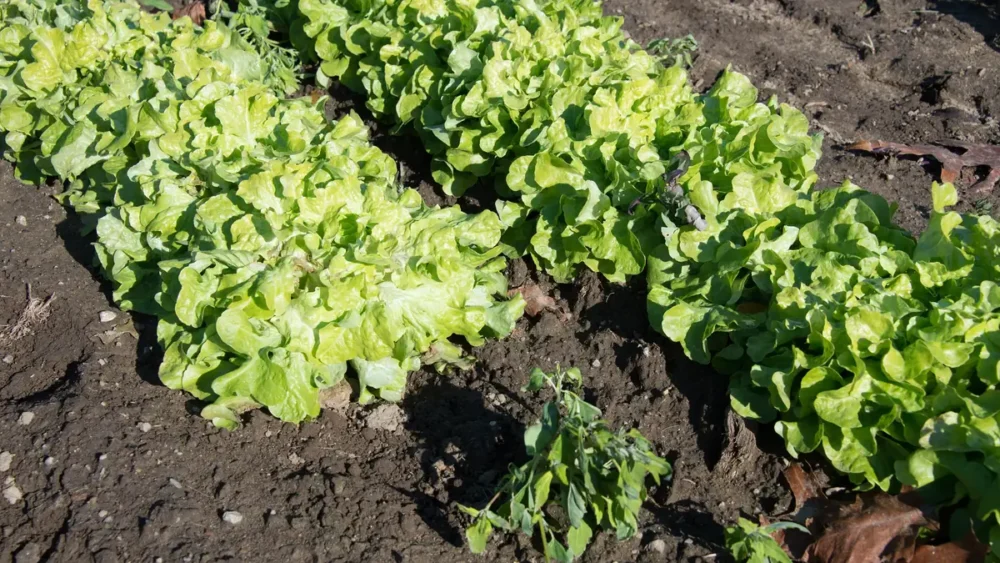
What Is a Last Frost Date? What the 10%, 30%, 50% and 90% Odds Mean
A last frost date is a probability, not a deadline. What NOAA’s 10%, 30%, 50% and 90% dates mean, and a test of how often they held up at 967 airport stations.
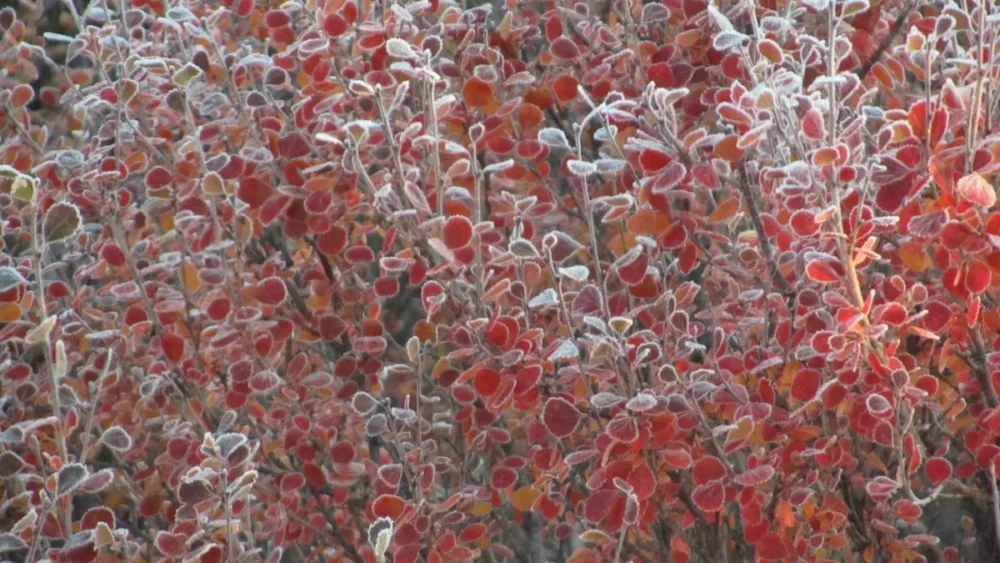
Frost vs. Freeze: What Each Means, the NWS Alerts and Your Growing Season
Frost is ice on surfaces; a freeze is air at 32°F or colder. NWS alerts explained, and NOAA data on how each threshold changes your growing season.
2023 USDA Hardiness Zone Map Changes: Did Your Zone Change, and Why?
What changed on the 2023 USDA hardiness zone map and why, with the 2012-to-2023 change for 39,899 ZIP codes by state and city.
Seasonal reminders for your ZIP
Get a short email when it’s time to overseed, start seeds, open the pool or service your furnace — timed to your climate.