When to Mow the Lawn the First Time in Spring: Dates by City
Start mowing when the grass reaches 4½ to 5¼ inches for a 3 to 3½ inch cut. Cool-season lawns wake when the daily average hits 48°F: about Apr 6 for the median US ZIP code.

How much and how often to water your lawn, when to stop mowing in fall, what to do with the leaves, whether snow mold will hit your ZIP, and when to winterize the sprinkler system.
Set your ZIP to see dates for your area.
Try removing a season or content type. Or start with one of our most-read guides.
Start mowing when the grass reaches 4½ to 5¼ inches for a 3 to 3½ inch cut. Cool-season lawns wake when the daily average hits 48°F: about Apr 6 for the median US ZIP code.
Every extension source we compared allows 3 inches for tall fescue, 2.5 for bluegrass and ryegrass, 1 to 2 for Bermuda. Plus the dates to raise the deck in 25 US cities.
Gray snow mold needs 40 to 60 days of snow cover, and pink snow mold needs none. See how many snow-cover days your ZIP code gets in NOAA normals, which fall steps extension services back, and why sprays fail once the patches show.
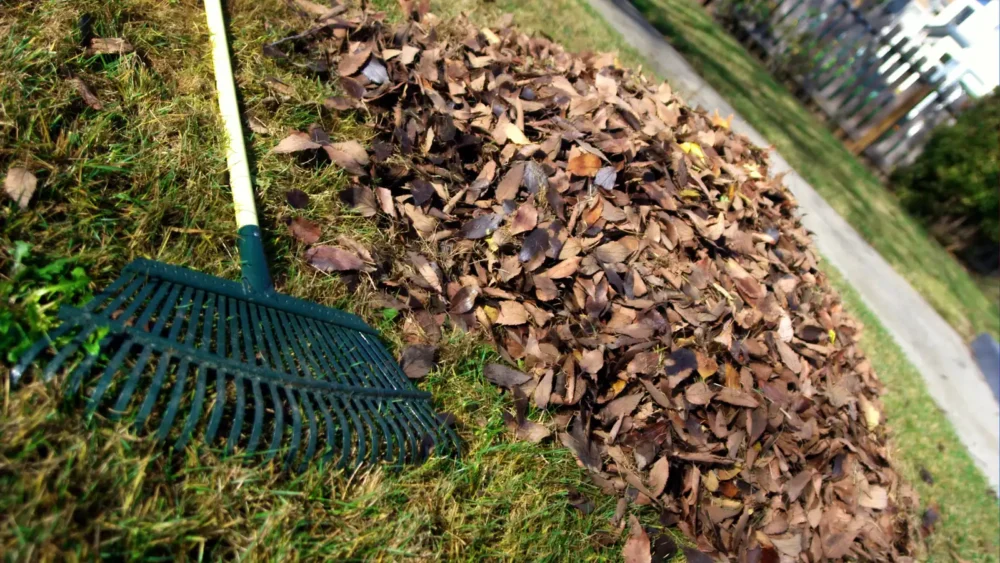
Usually not. Mow a light or moderate layer of leaves into the lawn until your last mow, and remove only what hides the grass. Extension thresholds, the research, and leaf deadlines for 20 US cities from NOAA normals.
Drain a sprinkler system before the first fall freeze and no later than the first 28°F hard freeze. Normal-year freeze dates for 31 US cities from NOAA, the three drain methods and backflow protection.
Cool-season lawns stop growing when daytime highs stay below about 50°F; warm-season lawns stop at the first frost. Normal-year dates for 40 US cities, checked against extension advice.
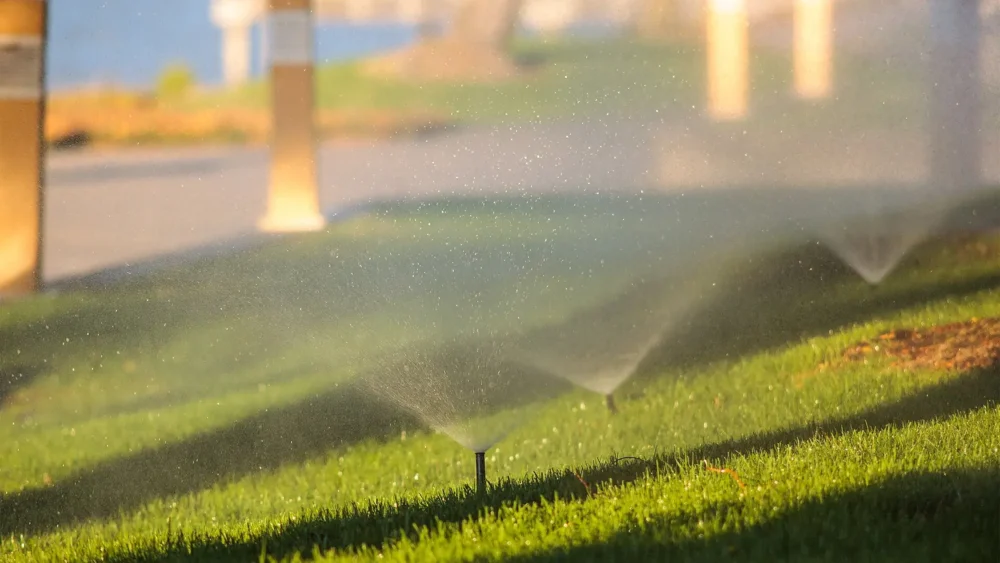
Most lawns need about 1 inch of water a week, rain included. How often to water, how long to run a sprinkler, and how much normal summer rain covers in 21 US cities.
Mowing and watering decide whether a lawn is thick or thin, and the timing changes with the season. The guides here cover how much to water, when to stop mowing, what to do with fall leaves, whether your ZIP code will see snow mold and when to blow out the sprinklers.
How much to water your lawn explains the usual one inch a week, rain included, and how much summer rain covers in 21 cities. When to stop mowing ties the last mow to the day highs stay below 50°F, and should you rake leaves explains mowing leaves into the lawn while you can still see grass.
Snow mold shows how many days of snow cover your ZIP code gets in NOAA normals, and when to winterize your sprinkler system gives blow-out dates before the first freeze for 46 states and 31 cities.
Mowing starts and ends on temperature. The first mow of spring comes when grass reaches 4½ to 5¼ inches for a 3 to 3½ inch cut, around April 6 for the median US ZIP code, and how high to mow gives the heights every extension source we compared allows: 3 inches for tall fescue, 2.5 for bluegrass and ryegrass, 1 to 2 for Bermuda.
Get a short email when it’s time to overseed, start seeds, open the pool or service your furnace, timed to your climate.