Generator Size Calculator: What Size Generator Do I Need?
Answers: what size generator do I need?
A fall winterizing checklist, when to turn on the heat, thermostat settings, heat pump and furnace costs, humidity, frozen pipes, ice dams and furnace filters.
Set your ZIP to see dates for your area.
Answers: what size generator do I need?
Try removing a season or content type. Or start with one of our most-read guides.

A 30,000 Btu/h gas fireplace costs about 43¢ an hour on natural gas and 88¢ on propane at US average prices. Costs for every state, the pilot light, efficiency and 20 cities.

A furnace is sized by heat output, but labeled by input. We convert with AFUE, apply DOE's Manual J model houses to 30 cities and 40,565 ZIP codes, and test five popular furnace size charts.
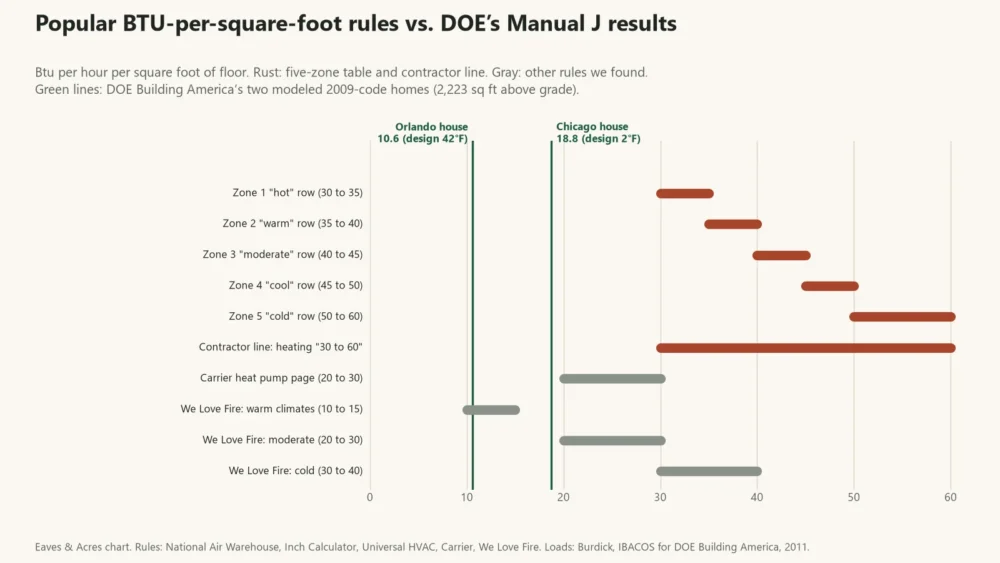
Popular tables say 30 to 60 BTU per square foot; DOE's modeled homes need 10.6 to 18.8. We convert BTU to watts and test the rules against design temperatures for 39 cities and 40,565 ZIP codes.

Sources put furnace life at 15 to 22 years: NAHB says gas 18, Minnesota 15 to 20, DOE 21.4. We show why they differ and estimate run hours for 20 cities from NOAA data.

The typical US ZIP code gets its first freeze around October 25. A deadline-ordered fall checklist for caulk, hoses, gutters, attic, furnace and alarms, with dates for 24 cities and what labels, CPSC and extension services say.
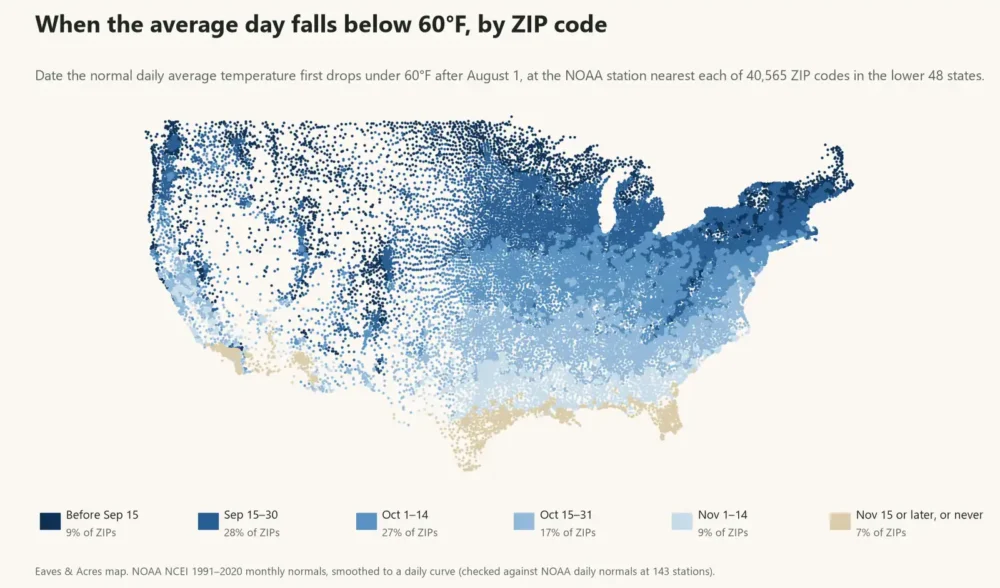
In the typical US ZIP code the average day falls below 60°F around October 5. Dates for 24 cities and every state, seven landlord heat rules, and what a furnace manual says to check first.

Check a furnace filter every month and replace it at least every 3 months, or on your manual’s schedule. What EPA, ENERGY STAR and three furnace manuals say, plus our NOAA-based estimate for your ZIP code.
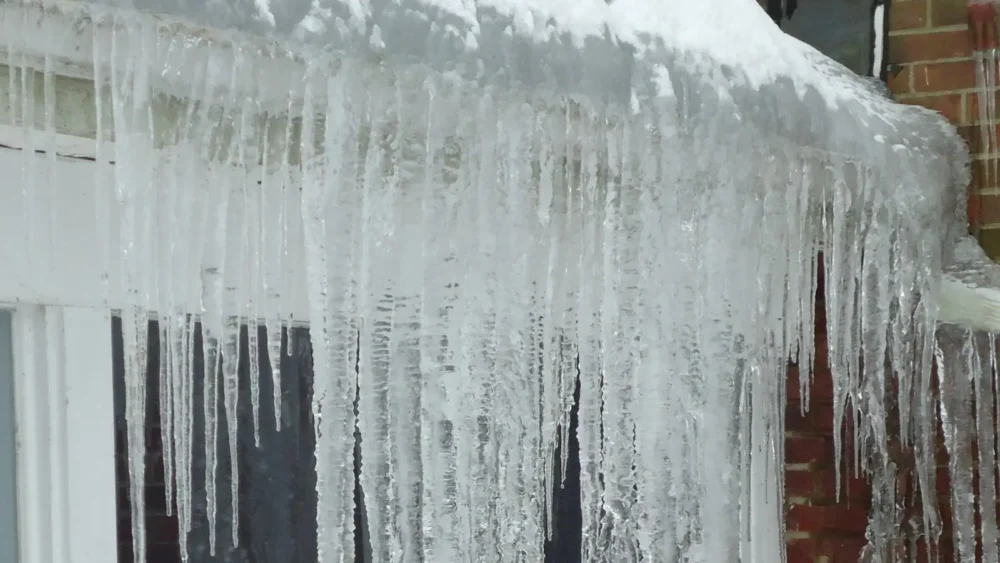
Ice dams come from house heat, so the fix is air sealing, then insulation. See which US ZIP codes get ice-dam weather in January from NOAA snow-cover and cold-night normals, and what Minnesota and the Army’s cold-regions lab say about cables, salt and vents.
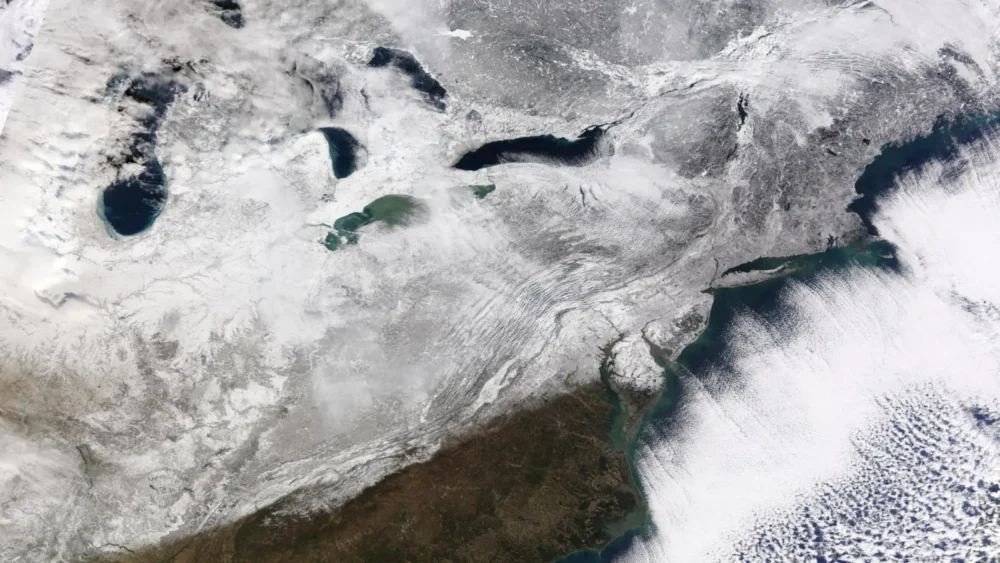
A heating degree day is one degree a day averages below 65°F. How the count works, why it undercounts when you average temperatures, and NOAA 1991–2020 totals for every state, 20 cities and 40,700 ZIP codes.

About 30–40% relative humidity, inside EPA’s 30–50% range, and lower on the coldest nights. Our NOAA estimate of when windows fog in 20 US cities, plus signs of air that is too dry or too damp.
A 1,500-watt space heater costs about 27¢ an hour at the 2026 US average electricity price. Costs by state and in 20 cities, and how its heat compares with a furnace or heat pump.
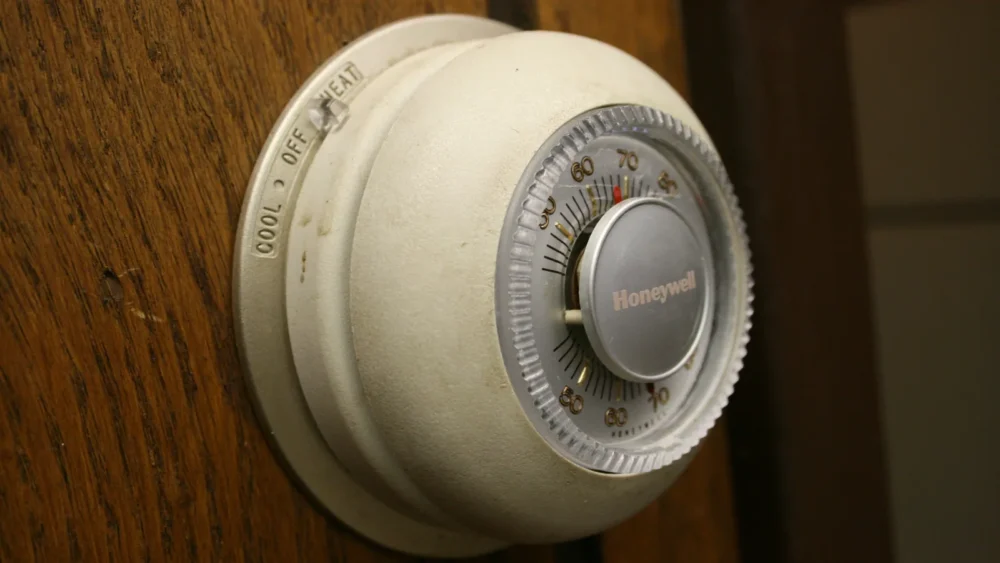
About 68°F while you are awake and 7–10°F lower at night for a furnace or boiler; a heat pump stays steady. What a setback saves in 20 US cities, plus the 55°F and health floors.
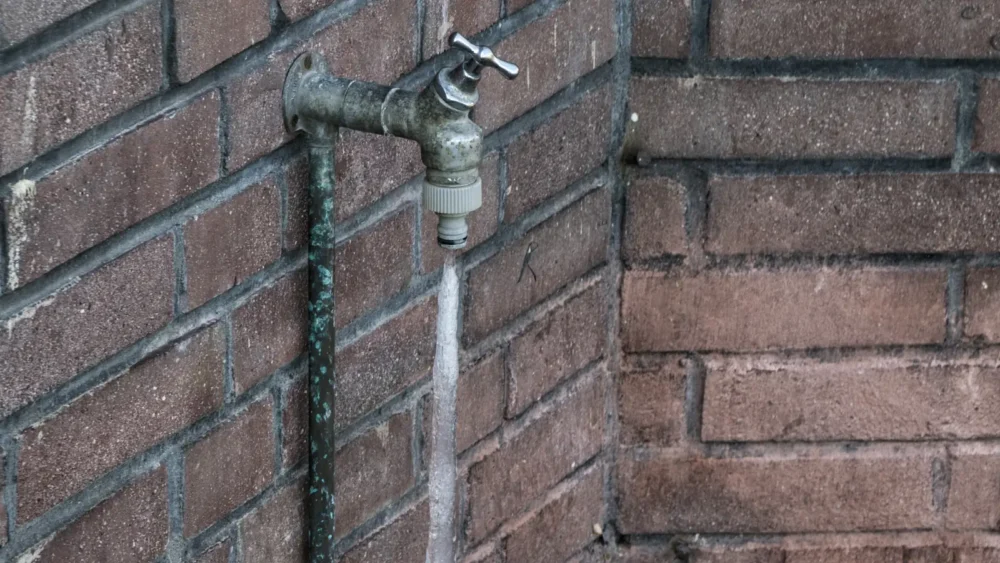
Pipes in unheated spaces are most at risk at about 20°F outside, per a University of Illinois study. How often 20 US cities get there, and what to do before a freeze.
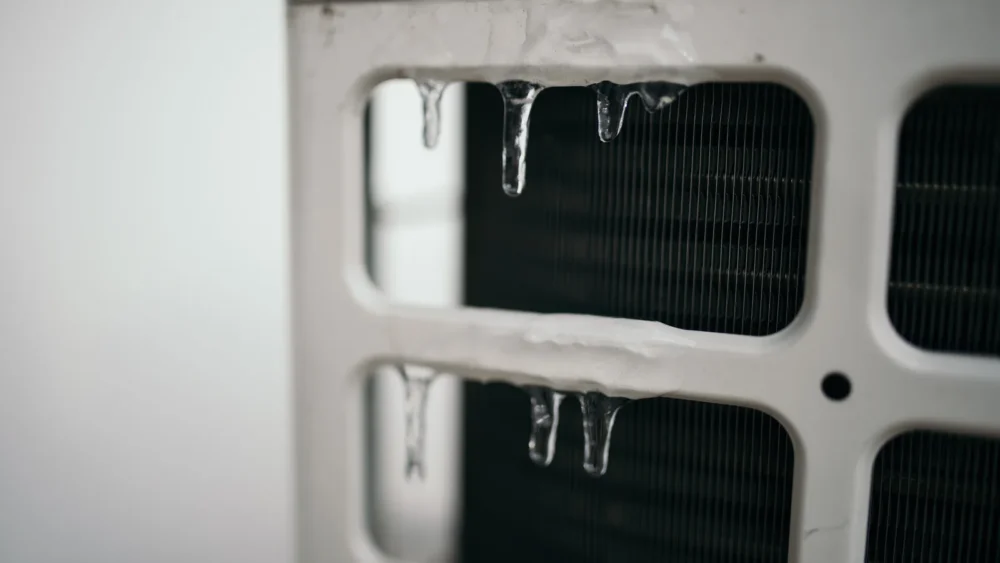
Cold-climate heat pumps keep at least 70% of their capacity at 5°F, with a field COP near 1.9. NOAA lows for 21 cities, the Midwest and Milwaukee, plus design temperatures.
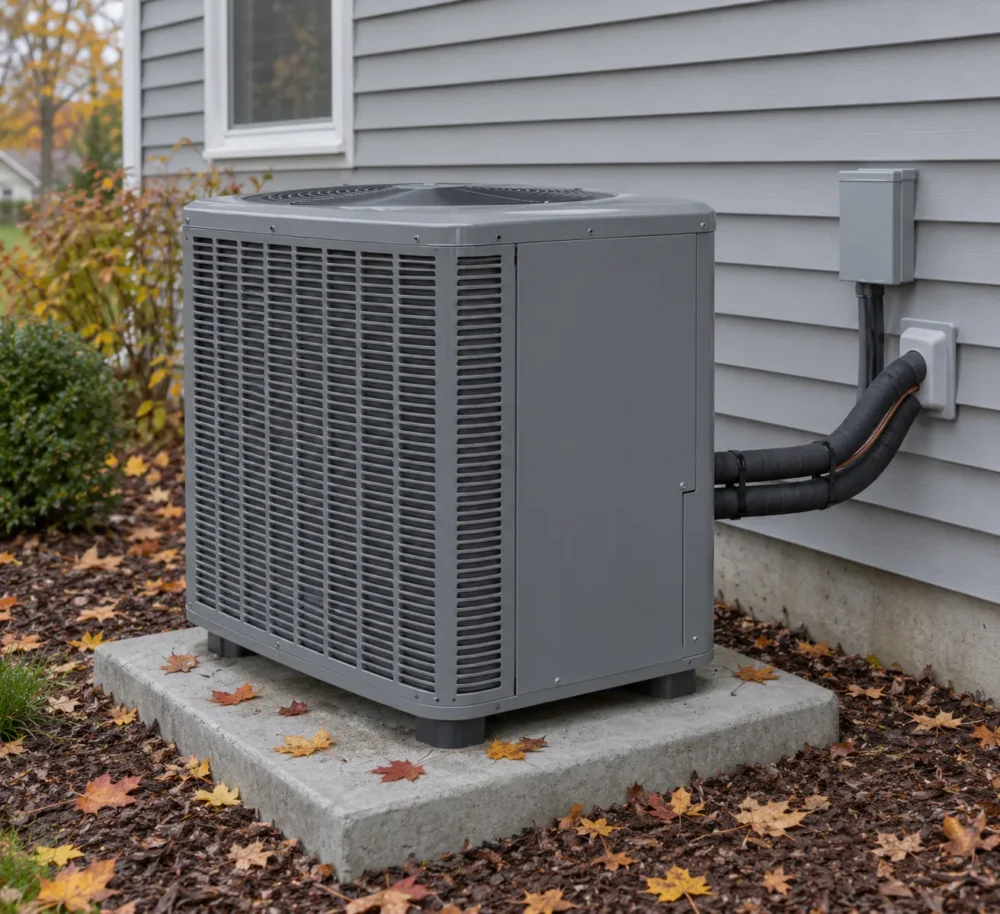
A heat pump beats a gas furnace on running cost only when its COP tops a break-even set by your rates. Estimates for 20 cities, the formula, and a lookup table.
Home heating and cooling costs depend on your climate, your prices and your equipment. We use NOAA 1991–2020 normals for temperature and degree days, U.S. Energy Information Administration prices for electricity and gas, and manufacturer and DOE data for equipment, and we show the formulas.
To size up your climate, heating degree days give totals for every state, 20 cities and 40,700 ZIP codes. To choose equipment, heat pump vs furnace finds the break-even efficiency by city, and heat pumps in cold weather shows how cold your city gets against typical design temperatures.
Day-to-day comfort and cost: thermostat setting in winter, the cost to run a space heater and indoor humidity in winter. Winter protection: what temperature pipes freeze, how to prevent ice dams and how often to change a furnace filter.
These pages are educational and do not replace a licensed contractor’s load calculation. See our disclaimer.
For fall, when to turn on the heat finds the day the average temperature drops below 60°F, around October 5 for the typical US ZIP code, and how to winterize your house orders the fall checklist by deadline. How many BTU to heat a room tests the popular 30 to 60 BTU per square foot tables against design temperatures, and how long a furnace lasts compares the DOE, NAHB and manufacturer figures of 15 to 22 years.
Get a short email when it’s time to overseed, start seeds, open the pool or service your furnace, timed to your climate.