
Generator Size Calculator: What Size Generator Do I Need?
Answers: what size generator do I need?
Covers heating, cooling, generators and water heaters. We maintain the generator sizing calculator and write the guides that explain what a number means before you call a contractor.
21 guides · 1 tool · reviewed by the Data & Methodology Desk
This desk publishes under its own name. We don’t put personal names or credentials on pages unless a real, verifiable person reviewed that page, and we never invent experts. How our desks work.
Answers: what size generator do I need?

A 30,000 Btu/h gas fireplace costs about 43¢ an hour on natural gas and 88¢ on propane at US average prices. Costs for every state, the pilot light, efficiency and 20 cities.

A furnace is sized by heat output, but labeled by input. We convert with AFUE, apply DOE's Manual J model houses to 30 cities and 40,565 ZIP codes, and test five popular furnace size charts.

A 200 A service can carry 48 kW, but a 2,000 sq ft gas-heat home with central AC runs about 10 kW. Generator sizes for 100 to 400 amp services and 1,000 to 4,000 sq ft homes, the code rule for automatic switches, and 25 cities.
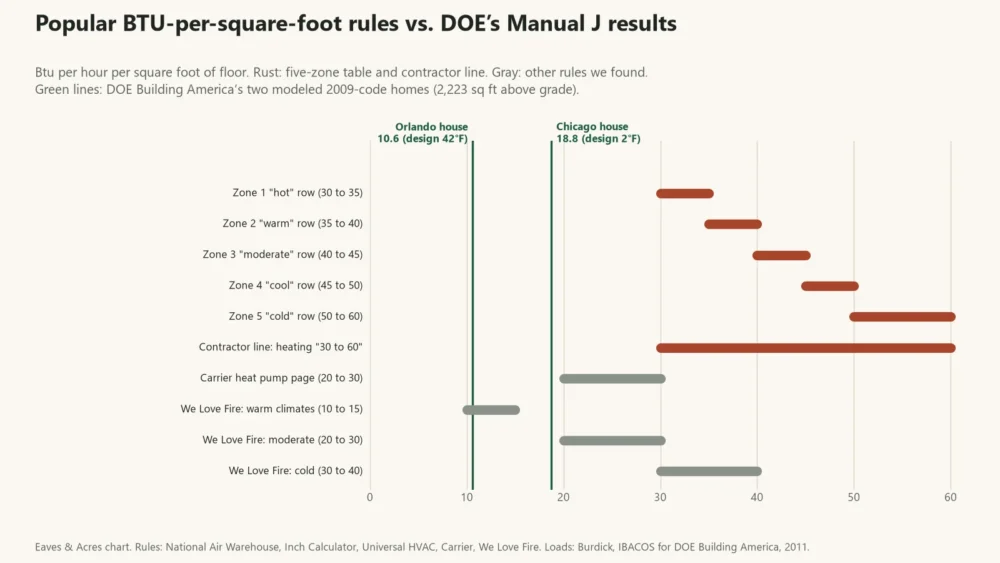
Popular tables say 30 to 60 BTU per square foot; DOE's modeled homes need 10.6 to 18.8. We convert BTU to watts and test the rules against design temperatures for 39 cities and 40,565 ZIP codes.

Sources put furnace life at 15 to 22 years: NAHB says gas 18, Minnesota 15 to 20, DOE 21.4. We show why they differ and estimate run hours for 20 cities from NOAA data.

The typical US ZIP code gets its first freeze around October 25. A deadline-ordered fall checklist for caulk, hoses, gutters, attic, furnace and alarms, with dates for 24 cities and what labels, CPSC and extension services say.
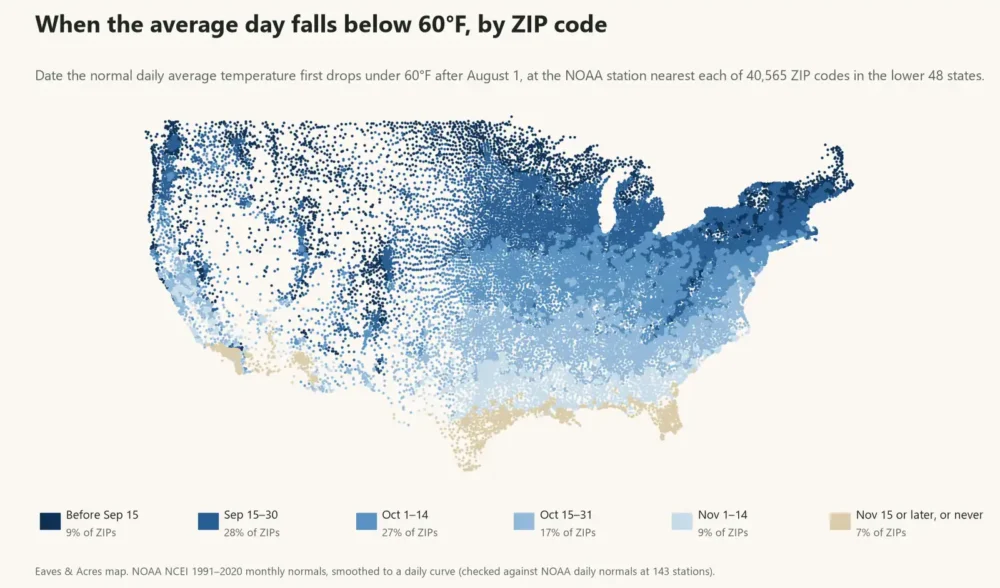
In the typical US ZIP code the average day falls below 60°F around October 5. Dates for 24 cities and every state, seven landlord heat rules, and what a furnace manual says to check first.
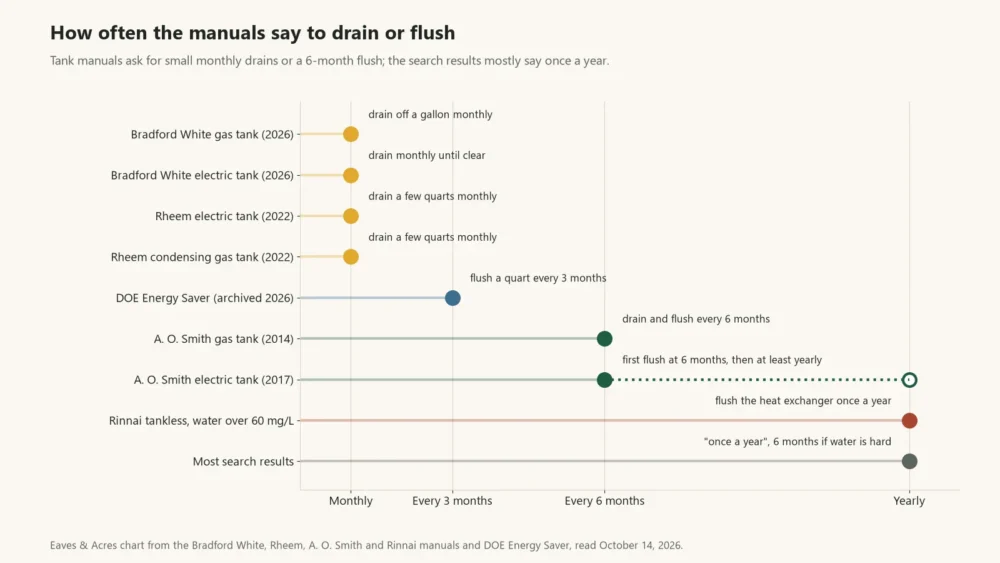
Most tank manuals ask for more than a yearly flush: small monthly drains (Bradford White, Rheem) or a flush every 6 months (A. O. Smith). Tankless schedules depend on water hardness.

Check a furnace filter every month and replace it at least every 3 months, or on your manual’s schedule. What EPA, ENERGY STAR and three furnace manuals say, plus our NOAA-based estimate for your ZIP code.
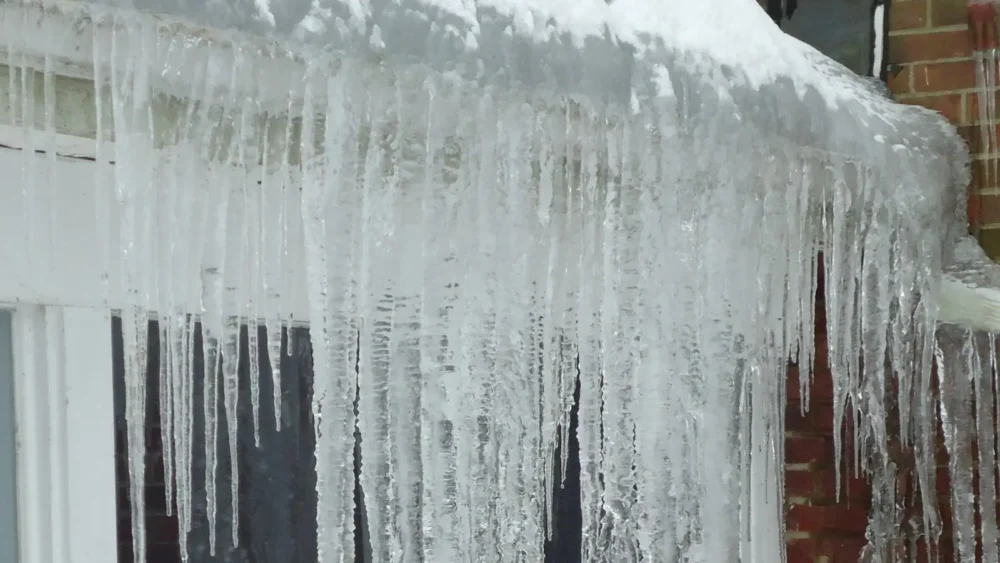
Ice dams come from house heat, so the fix is air sealing, then insulation. See which US ZIP codes get ice-dam weather in January from NOAA snow-cover and cold-night normals, and what Minnesota and the Army’s cold-regions lab say about cables, salt and vents.
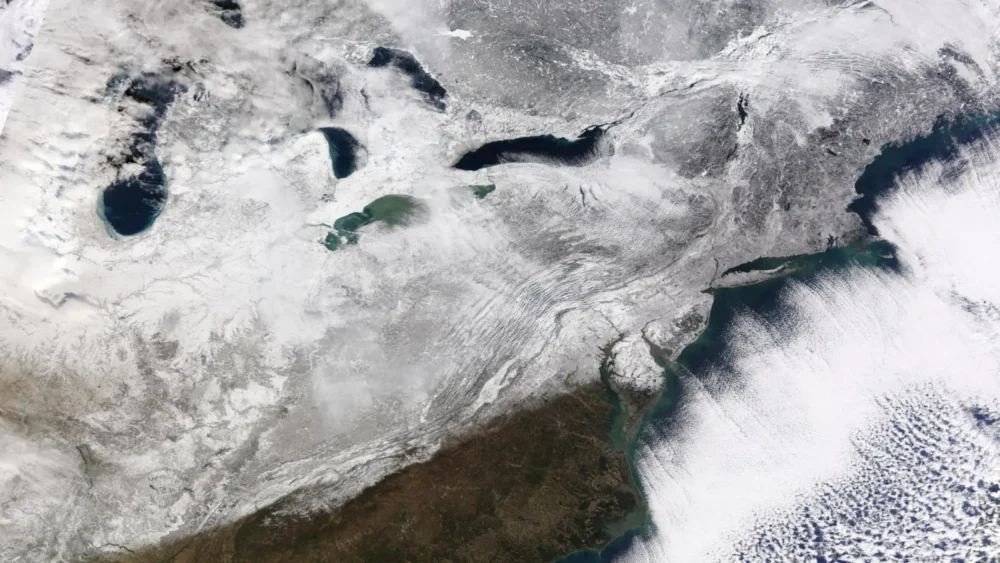
A heating degree day is one degree a day averages below 65°F. How the count works, why it undercounts when you average temperatures, and NOAA 1991–2020 totals for every state, 20 cities and 40,700 ZIP codes.

About 30–40% relative humidity, inside EPA’s 30–50% range, and lower on the coldest nights. Our NOAA estimate of when windows fog in 20 US cities, plus signs of air that is too dry or too damp.
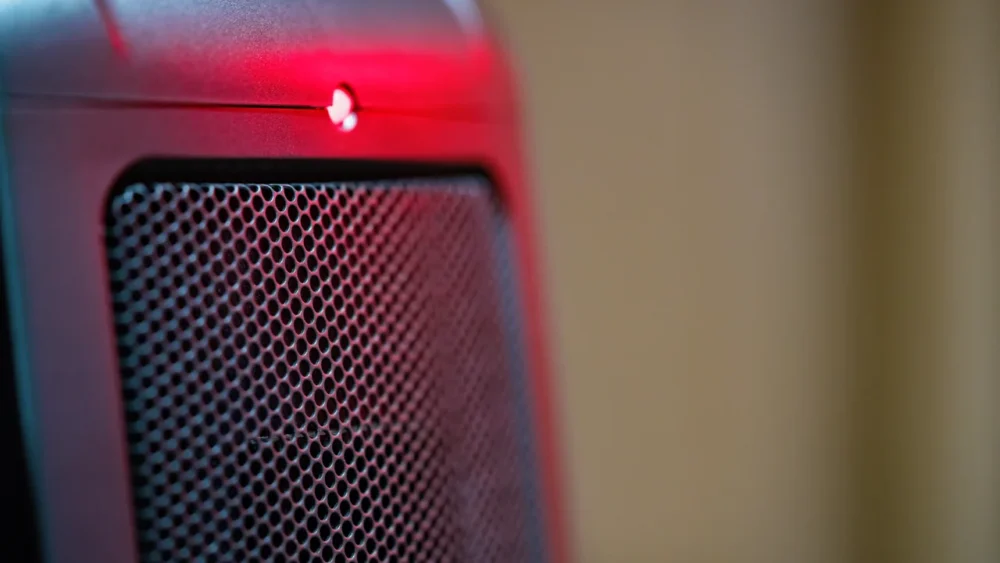
A 1,500-watt space heater costs about 27¢ an hour at the 2026 US average electricity price. Costs by state and in 20 cities, and how its heat compares with a furnace or heat pump.
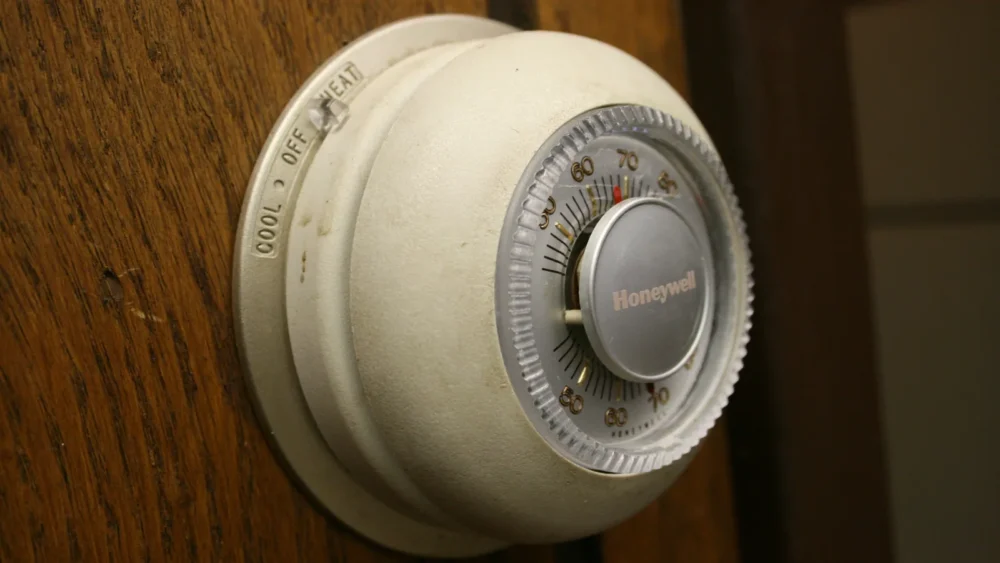
About 68°F while you are awake and 7–10°F lower at night for a furnace or boiler; a heat pump stays steady. What a setback saves in 20 US cities, plus the 55°F and health floors.
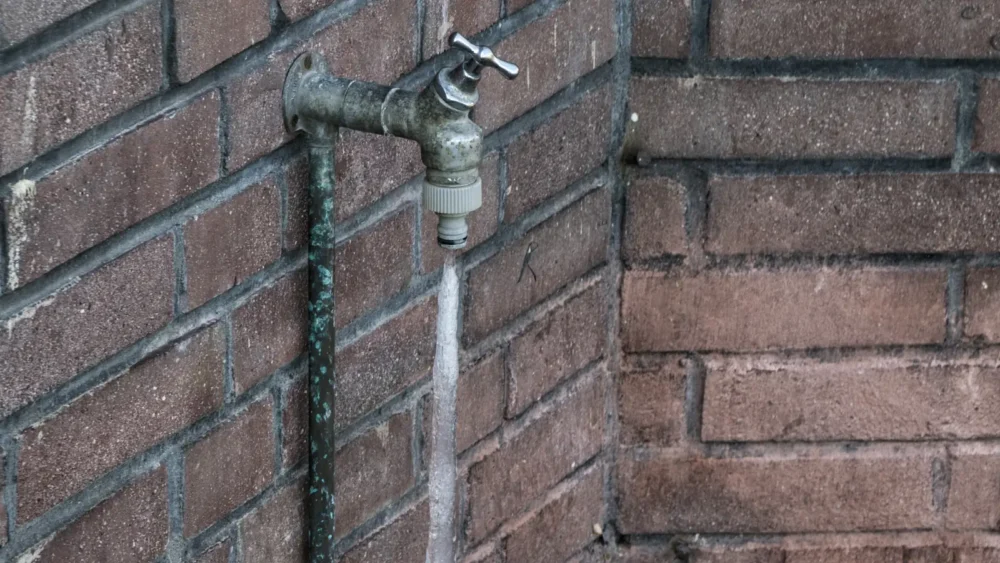
Pipes in unheated spaces are most at risk at about 20°F outside, per a University of Illinois study. How often 20 US cities get there, and what to do before a freeze.
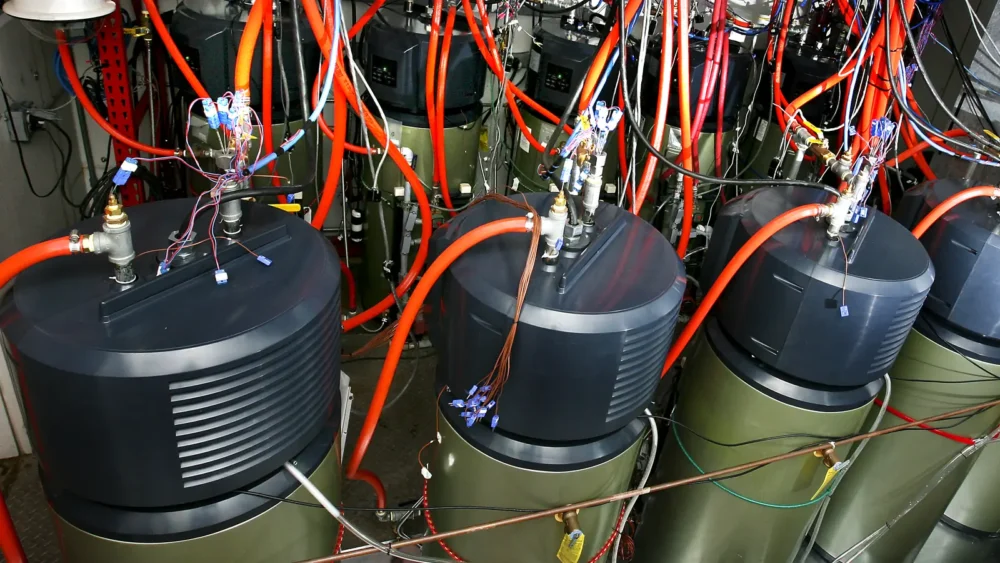
Most homes should run a water heater at 120°F. What DOE, CDC, CPSC, EPA and OSHA each say, how fast hotter water burns, and what a lower setting really saves.
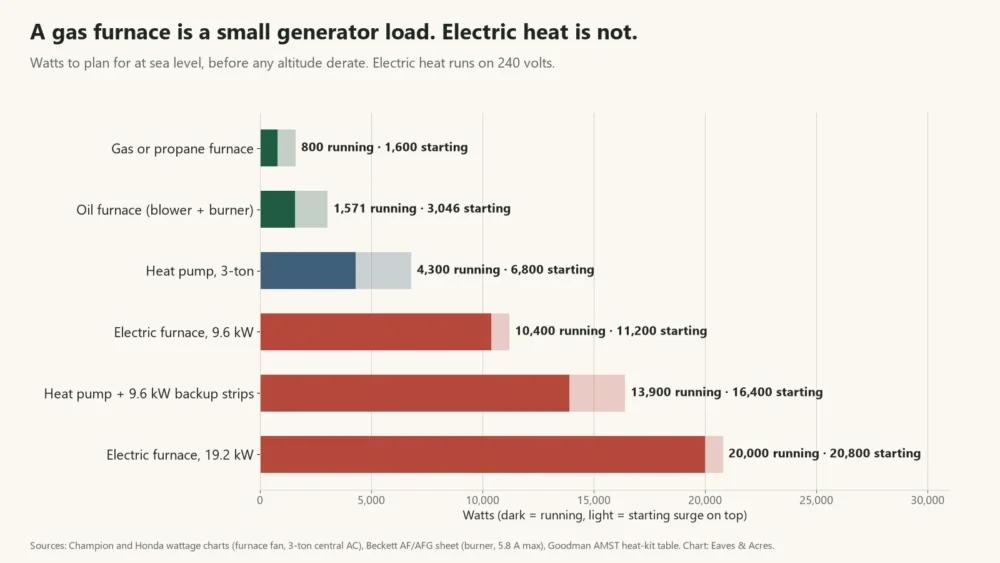
A gas or propane furnace needs about 300–875 running and 1,600–2,350 starting watts. What oil furnaces, electric furnaces and heat pumps draw, from generator charts and furnace spec sheets, with the altitude derate for 15 cold-winter cities.
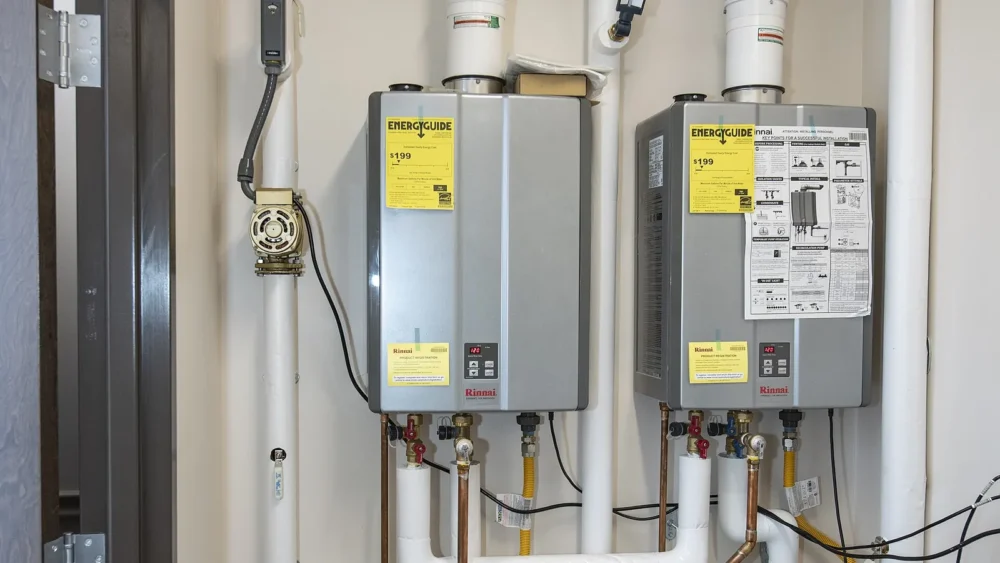
Gas tankless beats a minimum-efficiency tank by $90–$210 a year but an ENERGY STAR tank by only $18–$42, and its flow drops with cold winter water. Estimates for 22 cities.
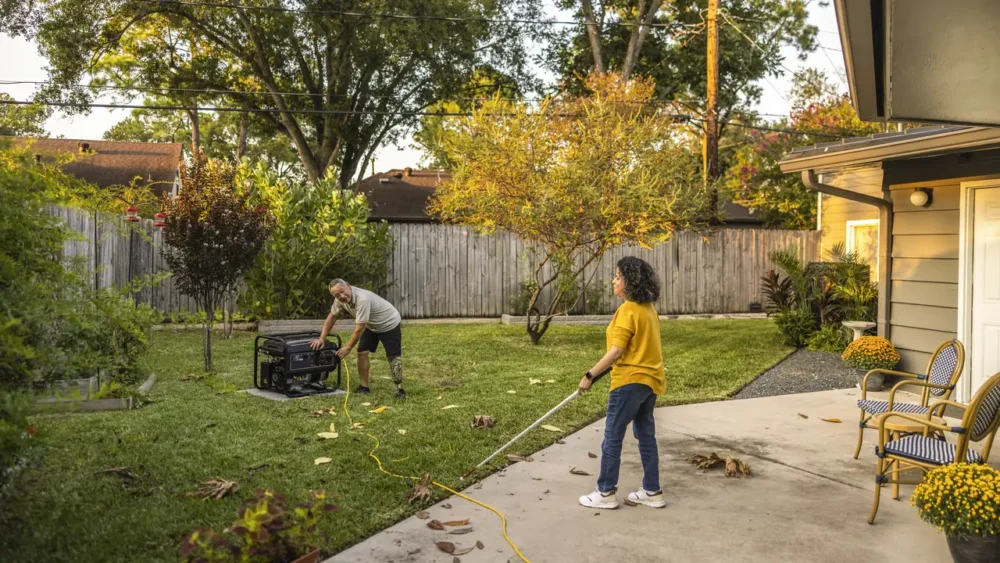
Outdoors only, 20 feet from the house, exhaust away, CO alarms on every level. CPSC records of 789 generator CO deaths show why each rule exists.
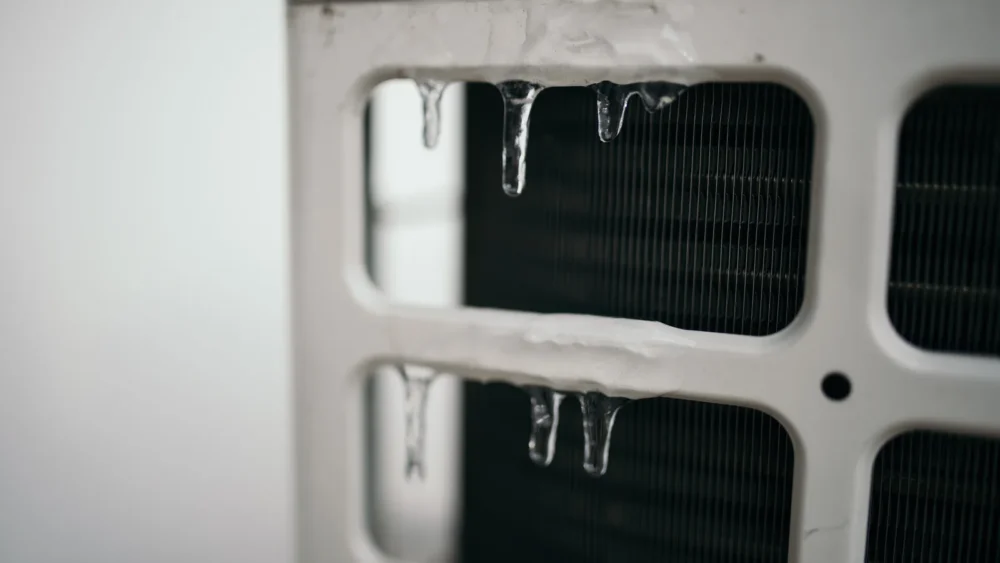
Cold-climate heat pumps keep at least 70% of their capacity at 5°F, with a field COP near 1.9. NOAA lows for 21 cities, the Midwest and Milwaukee, plus design temperatures.
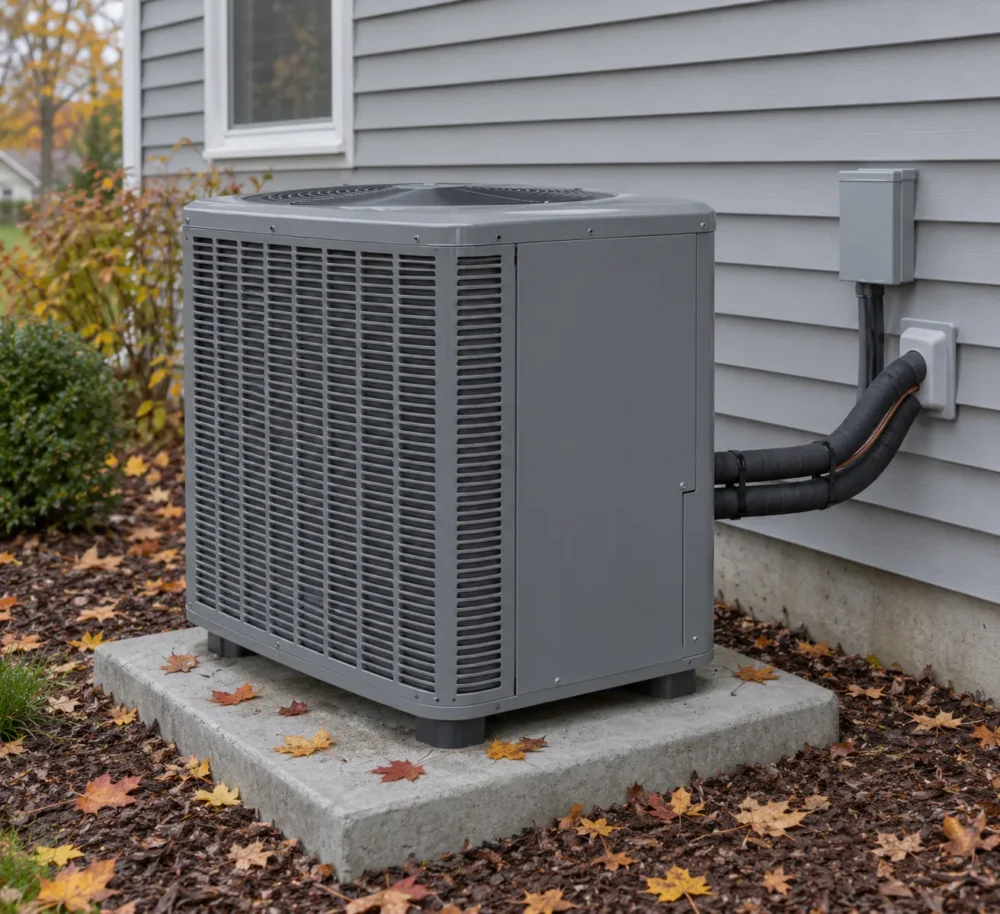
A heat pump beats a gas furnace on running cost only when its COP tops a break-even set by your rates. Estimates for 20 cities, the formula, and a lookup table.
Get a short email when it’s time to overseed, start seeds, open the pool or service your furnace, timed to your climate.