



Generator Size Calculator: What Size Generator Do I Need?
Answers: what size generator do I need?
Heating costs, cold-weather heat pump performance, tankless vs tank water heaters, generator sizing and safety, worked out for the climate you live in.
Set your ZIP to see dates for your area.
 Heating & cooling
What to set the thermostat to, heat pump or furnace costs where you live, what a space heater… 6 guides
Heating & cooling
What to set the thermostat to, heat pump or furnace costs where you live, what a space heater… 6 guides
 Generators
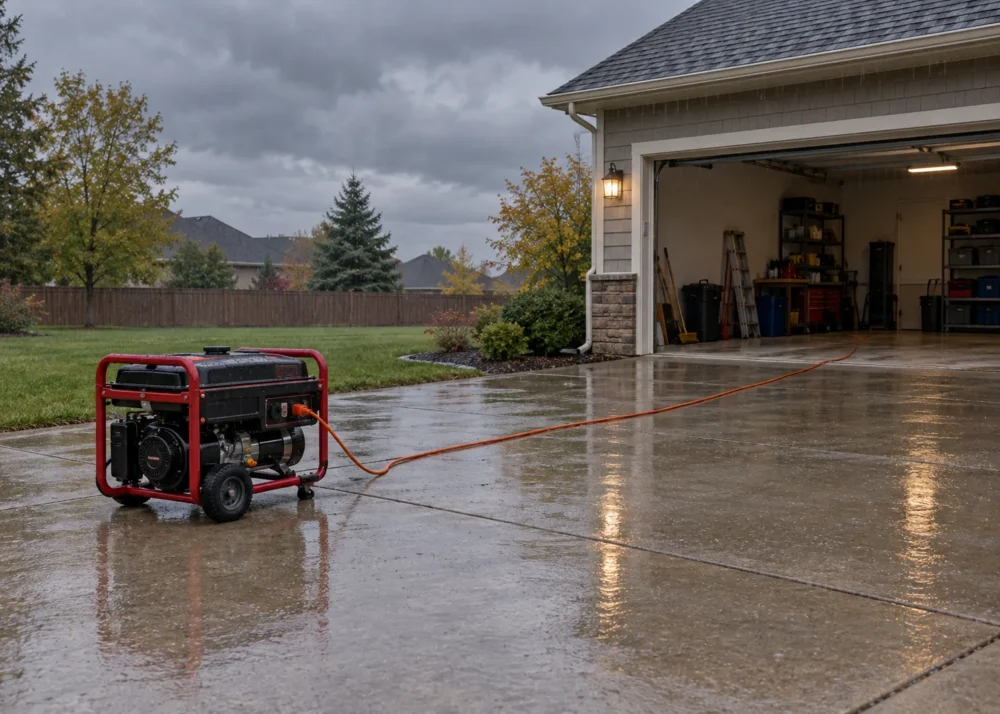
Portable and standby generator sizing, running vs starting watts, what a furnace needs, and safe placement outdoors. 2 guides
Generators
Portable and standby generator sizing, running vs starting watts, what a furnace needs, and safe placement outdoors. 2 guides
 Water heaters
How tank, tankless and heat pump water heaters compare on cost and efficiency, how cold winter tap water… 2 guides
Water heaters
How tank, tankless and heat pump water heaters compare on cost and efficiency, how cold winter tap water… 2 guides
Answers: what size generator do I need?
Typical timing for most of the US, starting this month. Set your ZIP and the guides shift every date to your frost dates.
 In season now
 About 30–40% relative humidity, inside EPA’s 30–50% range, and lower on the coldest nights. Our NOAA estimate of when windows fog in 20 US cities, plus signs of air that is too dry or too damp.
 In season now
 A 1,500-watt space heater costs about 27¢ an hour at the 2026 US average electricity price. Costs by state and in 20 cities, and how its heat compares with a furnace or heat pump.
 In season now
 About 68°F while you are awake and 7–10°F lower at night for a furnace or boiler; a heat pump stays steady. What a setback saves in 20 US cities, plus the 55°F and health floors.
Try removing a season or content type. Or start with one of our most-read guides.
About 30–40% relative humidity, inside EPA’s 30–50% range, and lower on the coldest nights. Our NOAA estimate of when windows fog in 20 US cities, plus signs of air that is too dry or too damp.
A 1,500-watt space heater costs about 27¢ an hour at the 2026 US average electricity price. Costs by state and in 20 cities, and how its heat compares with a furnace or heat pump.
About 68°F while you are awake and 7–10°F lower at night for a furnace or boiler; a heat pump stays steady. What a setback saves in 20 US cities, plus the 55°F and health floors.
Pipes in unheated spaces are most at risk at about 20°F outside, per a University of Illinois study. How often 20 US cities get there, and what to do before a freeze.
Most homes should run a water heater at 120°F. What DOE, CDC, CPSC, EPA and OSHA each say, how fast hotter water burns, and what a lower setting really saves.
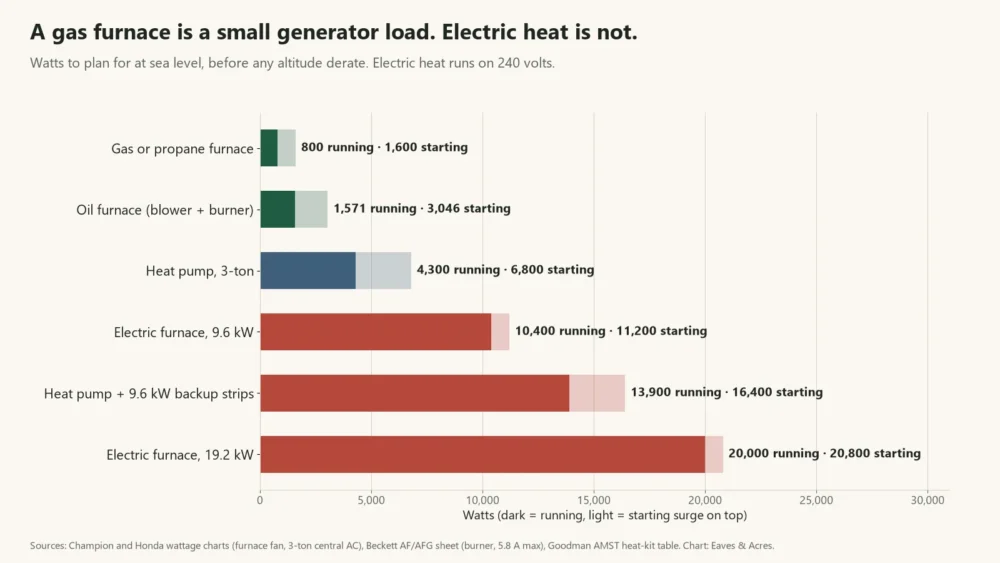
A gas or propane furnace needs about 300–875 running and 1,600–2,350 starting watts. What oil furnaces, electric furnaces and heat pumps draw, from generator charts and furnace spec sheets, with the altitude derate for 15 cold-winter cities.
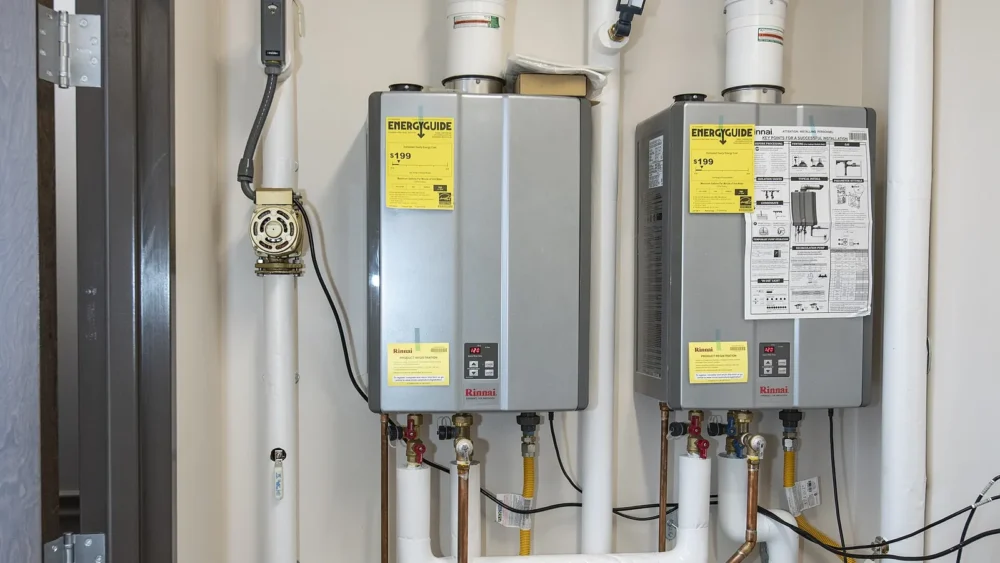
Gas tankless beats a minimum-efficiency tank by $90–$210 a year but an ENERGY STAR tank by only $18–$42, and its flow drops with cold winter water. Estimates for 22 cities.
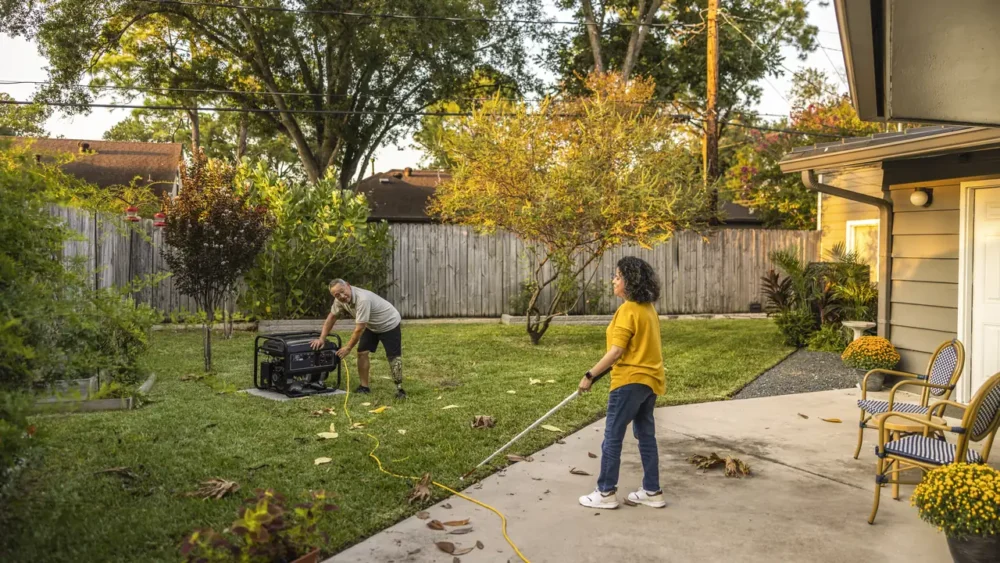
Outdoors only, 20 feet from the house, exhaust away, CO alarms on every level. CPSC records of 789 generator CO deaths show why each rule exists.
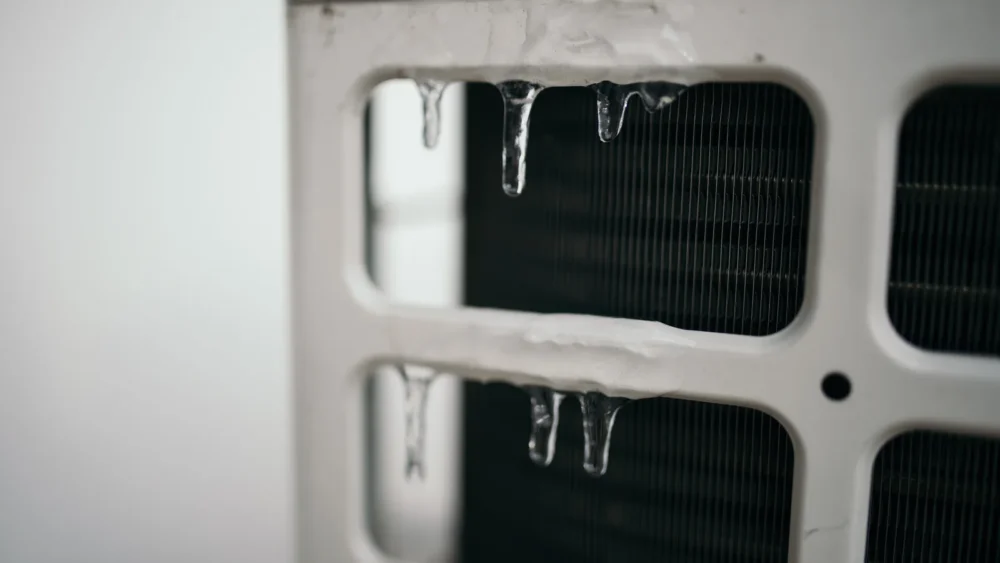
Cold-climate heat pumps keep at least 70% of their capacity at 5°F. How cold 21 US cities get, from NOAA normals and design temperatures, plus field results.

A heat pump beats a gas furnace on running cost only when its COP tops a break-even set by your rates. Estimates for 20 cities, the formula, and a lookup table.
Energy advice goes wrong when it ignores where the house is. A heat pump that is the cheaper choice in Atlanta can lose to a gas furnace in Detroit, and a generator that is big enough at sea level can come up short in Denver, where thin air cuts its output by almost a fifth. Every guide and calculator here starts from your local climate, then the loads you actually run.
We use NOAA 1991–2020 normals for the station nearest your ZIP, U.S. Energy Information Administration prices, Department of Energy and national-lab field data, CPSC safety data and manufacturers’ own manuals and spec sheets, cite each one, and say plainly where a licensed contractor or electrician has to take over. Our estimates help you ask better questions; they are not a Manual J load calculation or a permit.
Get a short email when it’s time to overseed, start seeds, open the pool or service your furnace — timed to your climate.