



Lawn Guide
Calculator
When to Overseed Your Lawn: The Last Safe Day Where You Live
Finish overseeding at least 45 days before your first hard freeze. Dates for 21 cities, checked against extension advice, plus your own ZIP.
Seeding, feeding, aeration and weed timing for your grass type and region. Set your ZIP and the frost dates on every guide become yours.
Set your ZIP to see dates for your area.
 Grass types
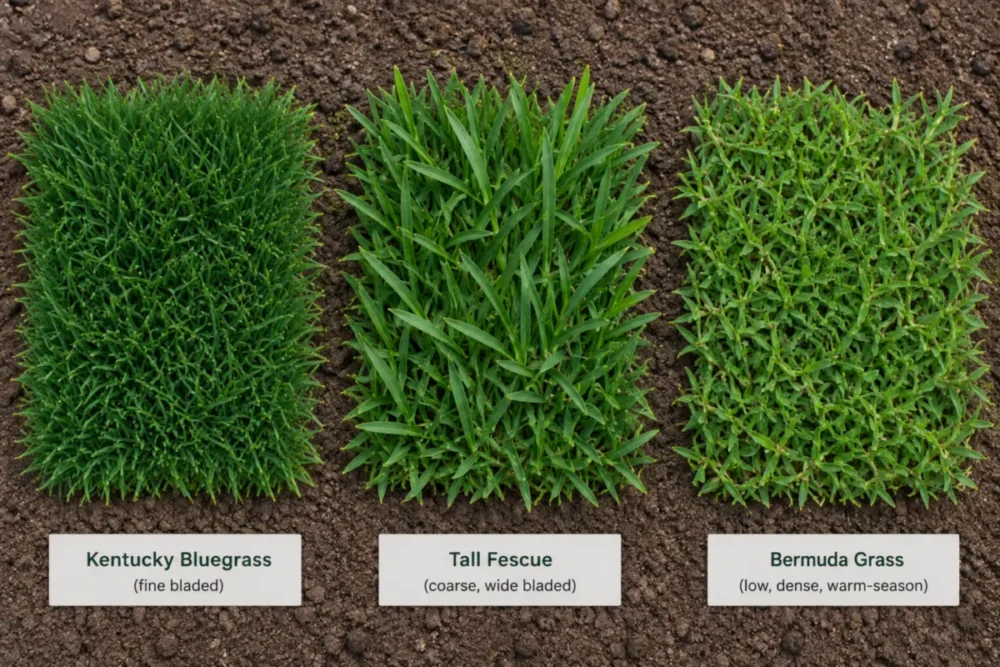
How to tell which grass you have, where cool-season and warm-season grasses grow, and when Bermuda grass greens… 2 guides
Grass types
How to tell which grass you have, where cool-season and warm-season grasses grow, and when Bermuda grass greens… 2 guides
 Seeding
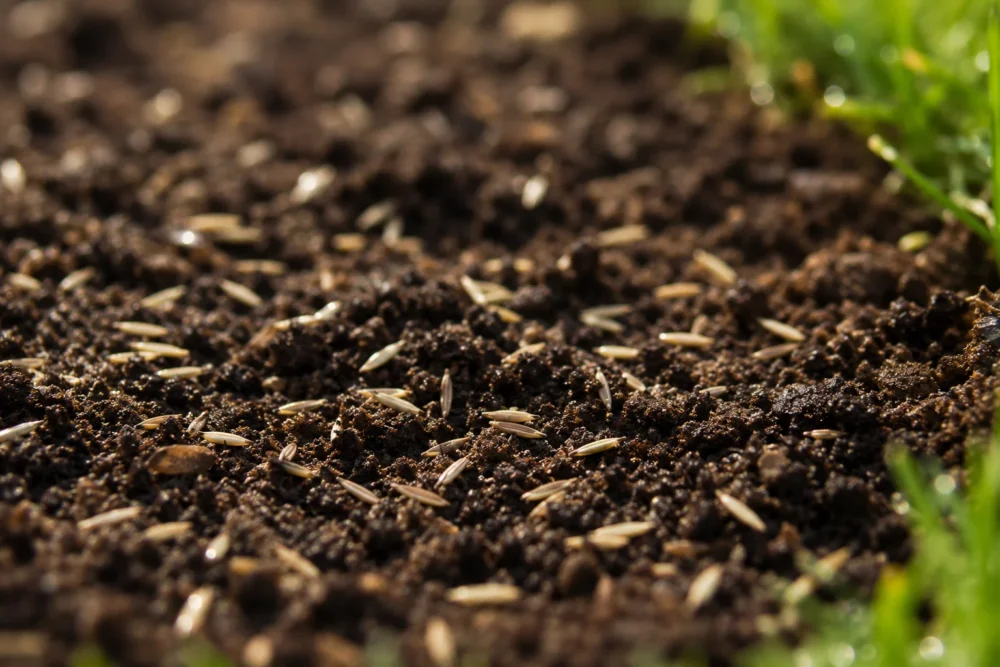
When to overseed, aerate, seed in spring or dormant-seed a lawn, with the last safe fall date for… 5 guides
Seeding
When to overseed, aerate, seed in spring or dormant-seed a lawn, with the last safe fall date for… 5 guides
 Fertilizing
How much nitrogen your grass needs, when to apply it, when the last feeding of the year goes… 3 guides
Fertilizing
How much nitrogen your grass needs, when to apply it, when the last feeding of the year goes… 3 guides
 Weeds
When crabgrass pre-emergent and grub preventives actually work in your region: soil-temperature and degree-day cues, normal-year windows by… 2 guides
Weeds
When crabgrass pre-emergent and grub preventives actually work in your region: soil-temperature and degree-day cues, normal-year windows by… 2 guides
 Mowing & watering
How much and how often to water your lawn, when to stop mowing in fall, what to do… 4 guides
Mowing & watering
How much and how often to water your lawn, when to stop mowing in fall, what to do… 4 guides
Finish overseeding at least 45 days before your first hard freeze. Dates for 21 cities, checked against extension advice, plus your own ZIP.
Typical timing for most of the US, starting this month. Set your ZIP and the guides shift every date to your frost dates.
 In season now
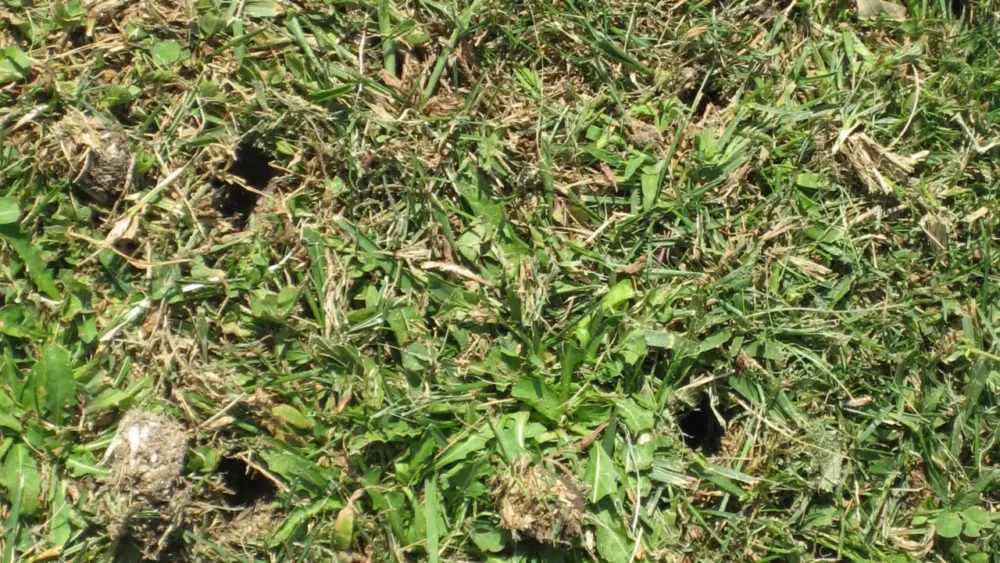
 Usually not. Mow a light or moderate layer of leaves into the lawn until your last mow, and remove only what hides the grass. Extension thresholds, the research, and leaf deadlines for 20 US cities from NOAA normals.
 In season now
 Lime a lawn only when a soil test shows low pH, and spread it in fall or winter on dry, unfrozen turf so it has months to work. pH targets by grass, extension rates, NOAA freeze data for 22 cities, and where the West can skip it.
In season now Most lawn grass seed germinates in 3 to 30 days, from about a week for ryegrass to a month for Kentucky bluegrass and Bermuda grass. NOAA’s measured soil temperatures show why early-fall seed comes up so much faster than spring seed.
Try removing a season or content type. Or start with one of our most-read guides.
Usually not. Mow a light or moderate layer of leaves into the lawn until your last mow, and remove only what hides the grass. Extension thresholds, the research, and leaf deadlines for 20 US cities from NOAA normals.
Lime a lawn only when a soil test shows low pH, and spread it in fall or winter on dry, unfrozen turf so it has months to work. pH targets by grass, extension rates, NOAA freeze data for 22 cities, and where the West can skip it.
Most lawn grass seed germinates in 3 to 30 days, from about a week for ryegrass to a month for Kentucky bluegrass and Bermuda grass. NOAA’s measured soil temperatures show why early-fall seed comes up so much faster than spring seed.
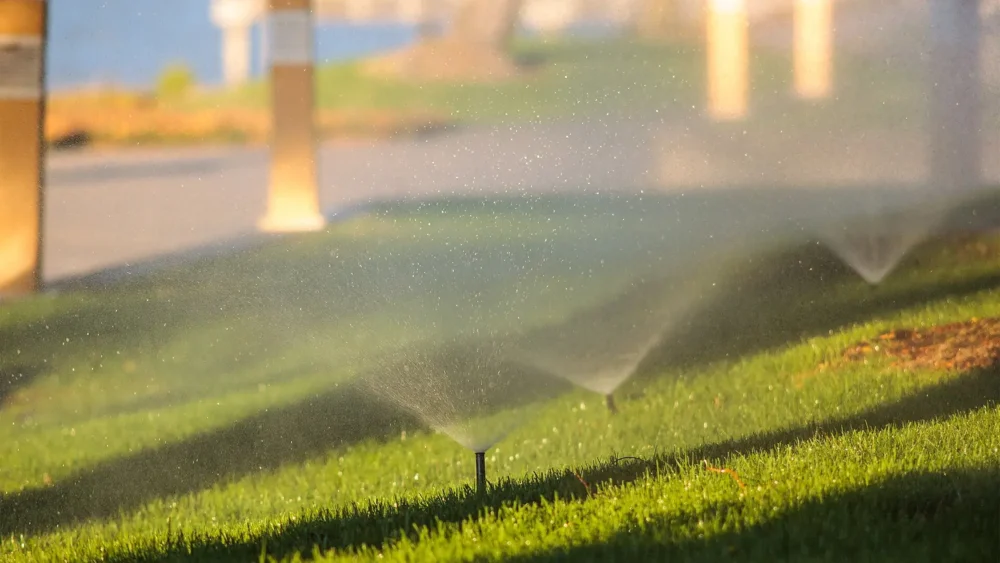
Drain a sprinkler system before the first fall freeze and no later than the first 28°F hard freeze. Normal-year freeze dates for 31 US cities from NOAA, the three drain methods and backflow protection.
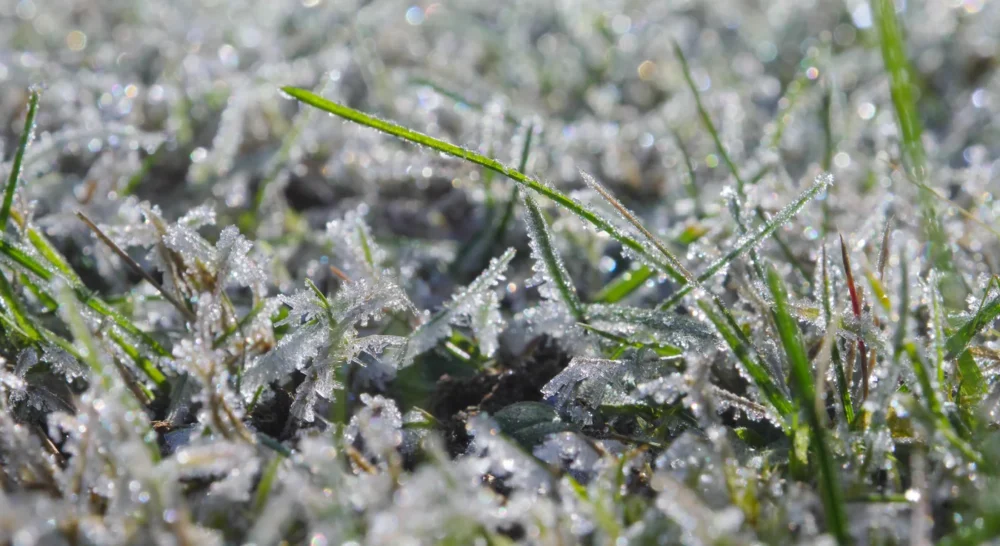
Feed a cool-season lawn its winterizer around the last mowing, weeks after the first frost and before your state’s cut-off. Warm-season lawns get no late-fall nitrogen.
Bermuda grass greens up between the last spring frost and the first 60°F nights. Normal-year dates for 33 Southern cities from NOAA normals, checked against 13 extension reports, and why a lawn can be late.
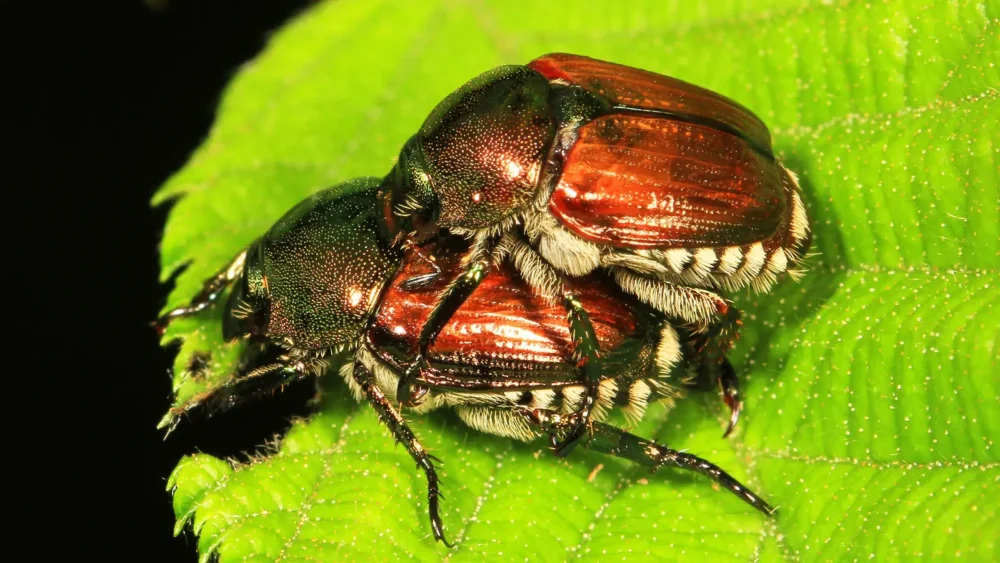
Put preventive grub control down as Japanese beetles lay eggs, usually mid-June to mid-July, and curatives in August. Normal-year beetle flight and preventive target dates for 29 US cities from NOAA normals, checked against extension advice.
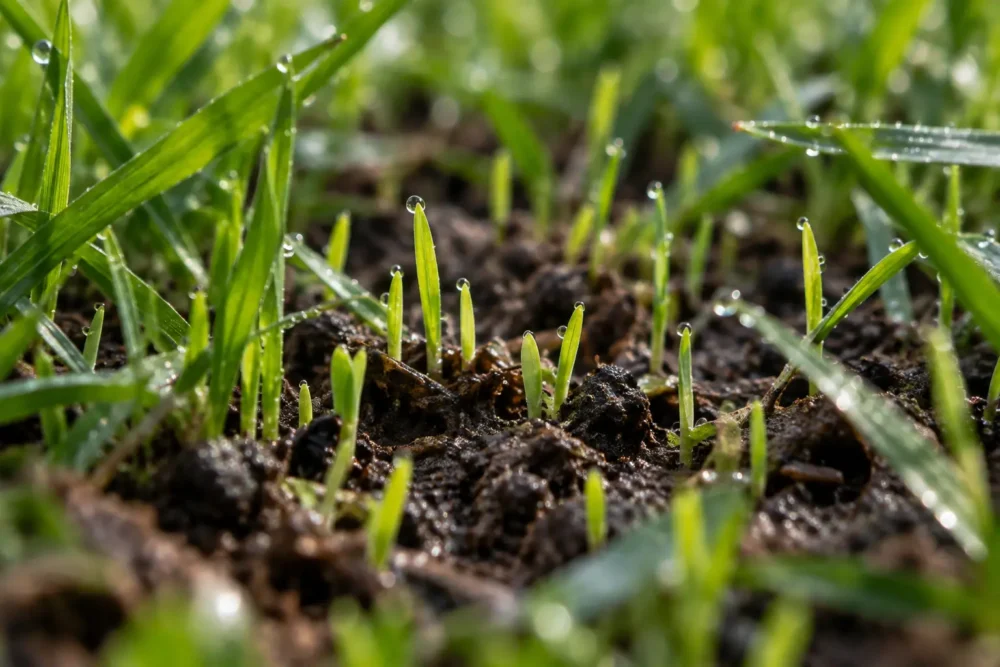
Get cool-season seed down before the top 2 inches of soil reach 50°F, and wait for 65°F soil for Bermuda grass. Typical dates for 48 US cities from NOAA’s measured soil temperatures and climate normals.
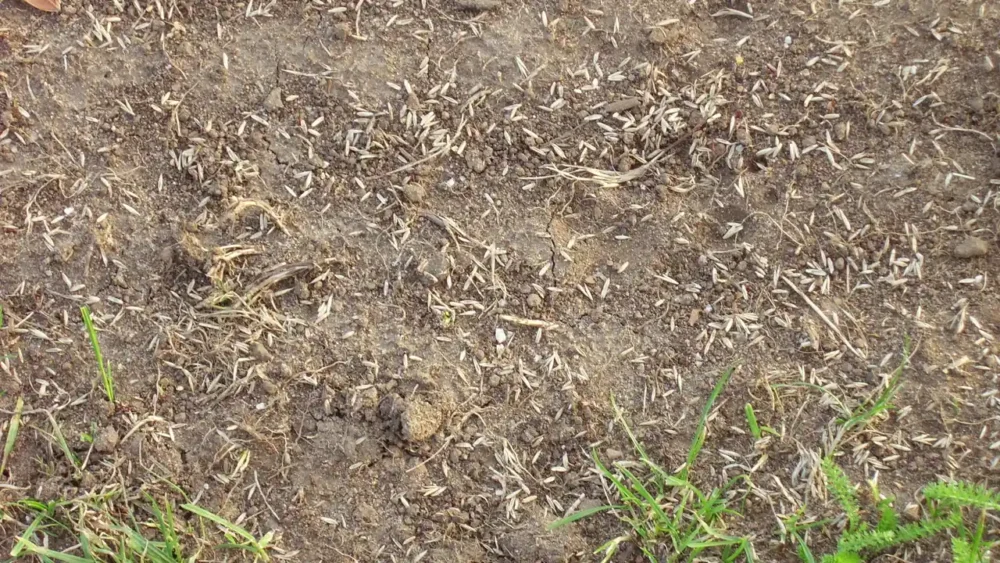
Dormant seed a cool-season lawn once normal afternoon highs fall below about 40°F, and stop when they climb back. Winter windows for 23 Northern US cities from NOAA normals, checked against extension advice.
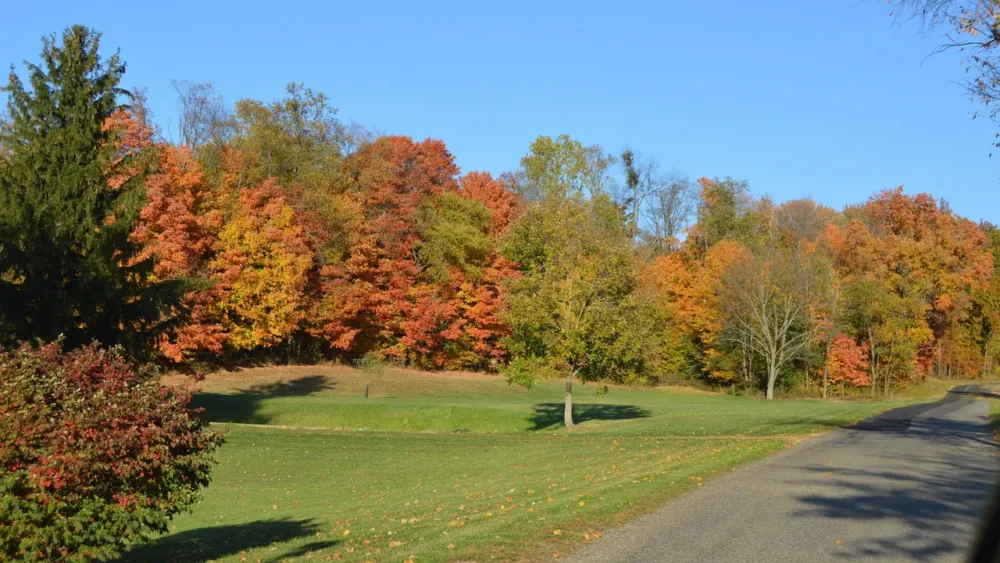
Cool-season lawns stop growing when daytime highs stay below about 50°F; warm-season lawns stop at the first frost. Normal-year dates for 40 US cities, checked against extension advice.
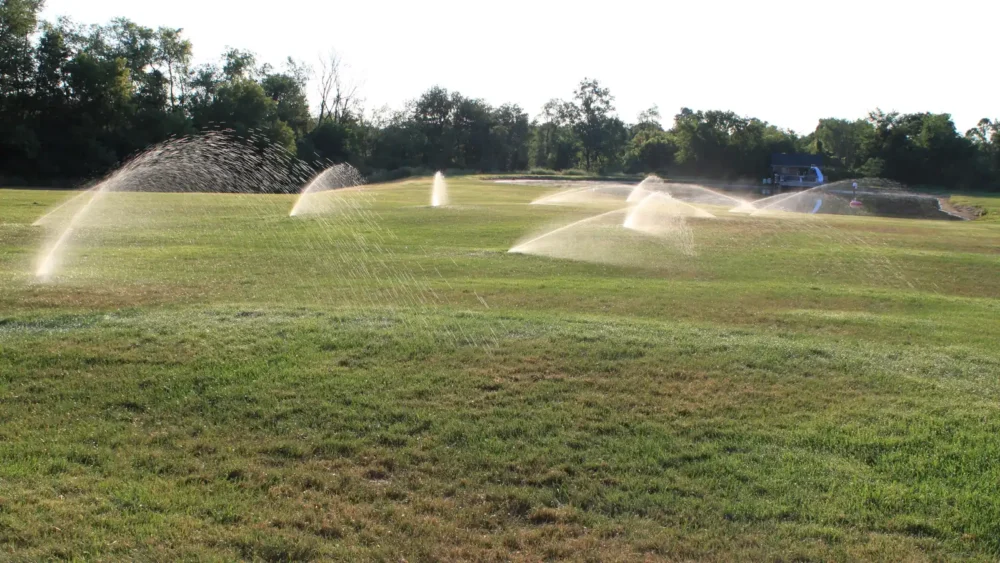
Most lawns need about 1 inch of water a week, rain included. How often to water, how long to run a sprinkler, and how much normal summer rain covers in 21 US cities.
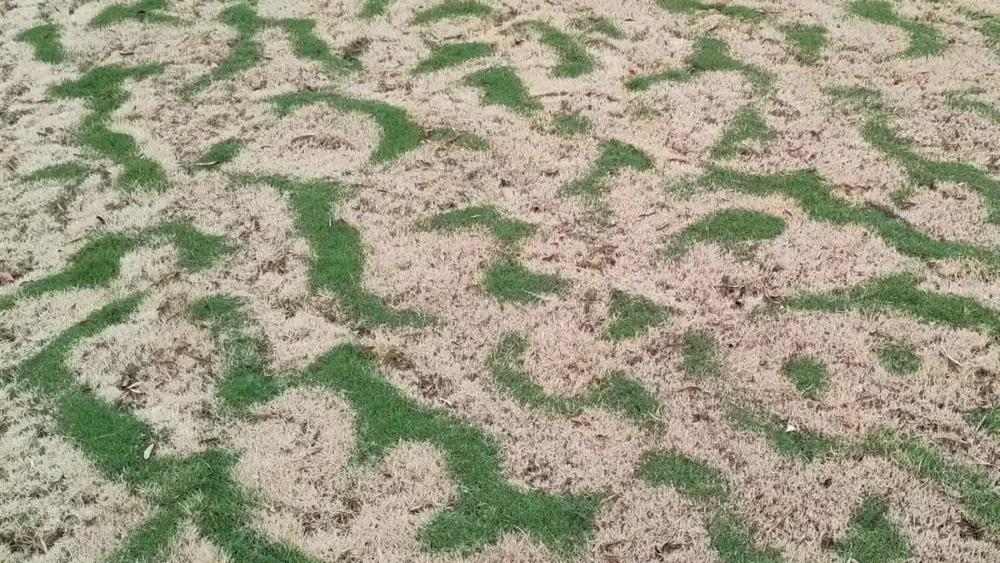
Cool-season grasses grow best at 60–75°F highs, warm-season grasses at 80–95°F. Three identification checks, the transition zone, and prime growing weeks for 24 cities from NOAA normals.
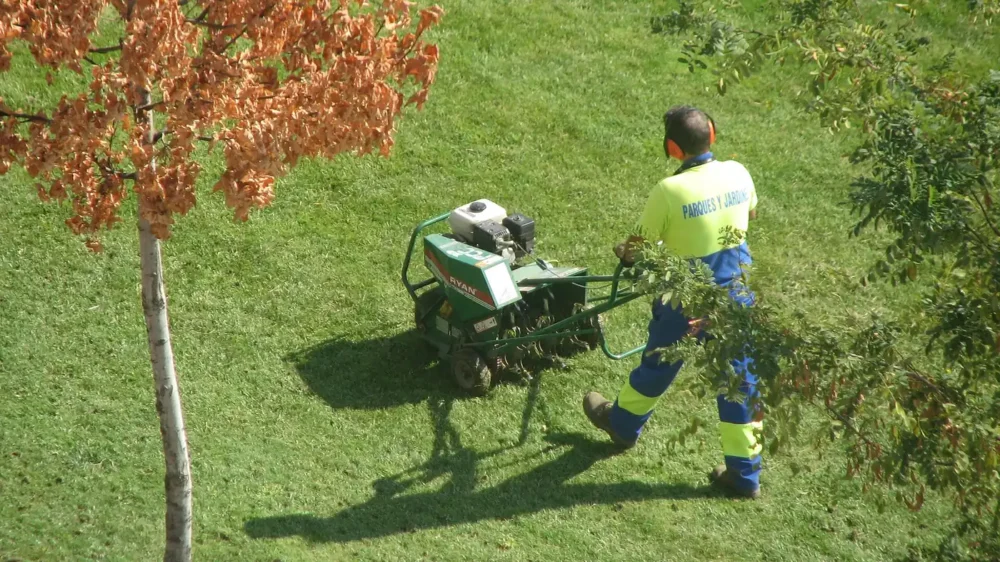
Core-aerate cool-season lawns in late summer to early fall and warm-season lawns in late spring to summer. Windows for 27 cities from NOAA normals, checked against extension calendars.
Apply crabgrass preventer when the top two inches of soil hold about 50–55°F. Typical windows for 22 cities from NOAA normals, checked against extension dates, plus Southern timing.
Cool-season lawns get their main feeding in early fall; warm-season lawns are fed after green-up and stop six weeks before frost. Schedule, bag math and dates for 20 cities.

Finish overseeding at least 45 days before your first hard freeze. Dates for 21 cities, checked against extension advice, plus your own ZIP.
Lawn advice goes wrong when it ignores where you live. September suits seeding tall fescue in Ohio, but it is the wrong month for Bermuda grass in Georgia, which is seeded in late spring. A fertilizer schedule written for Bermuda will also do tall fescue more harm than good. Every guide here starts from your grass type and region, then gives dates you can act on.
We time tasks from NOAA frost dates and temperature normals for your ZIP rather than fixed months, and take seeding and feeding rates from university extension research. When a rate or window changes, the guide’s change log says what changed and why.
Get a short email when it’s time to overseed, start seeds, open the pool or service your furnace — timed to your climate.