




Pool Salt Calculator: How Much Salt Do I Add?
Answers: how much salt do I add?
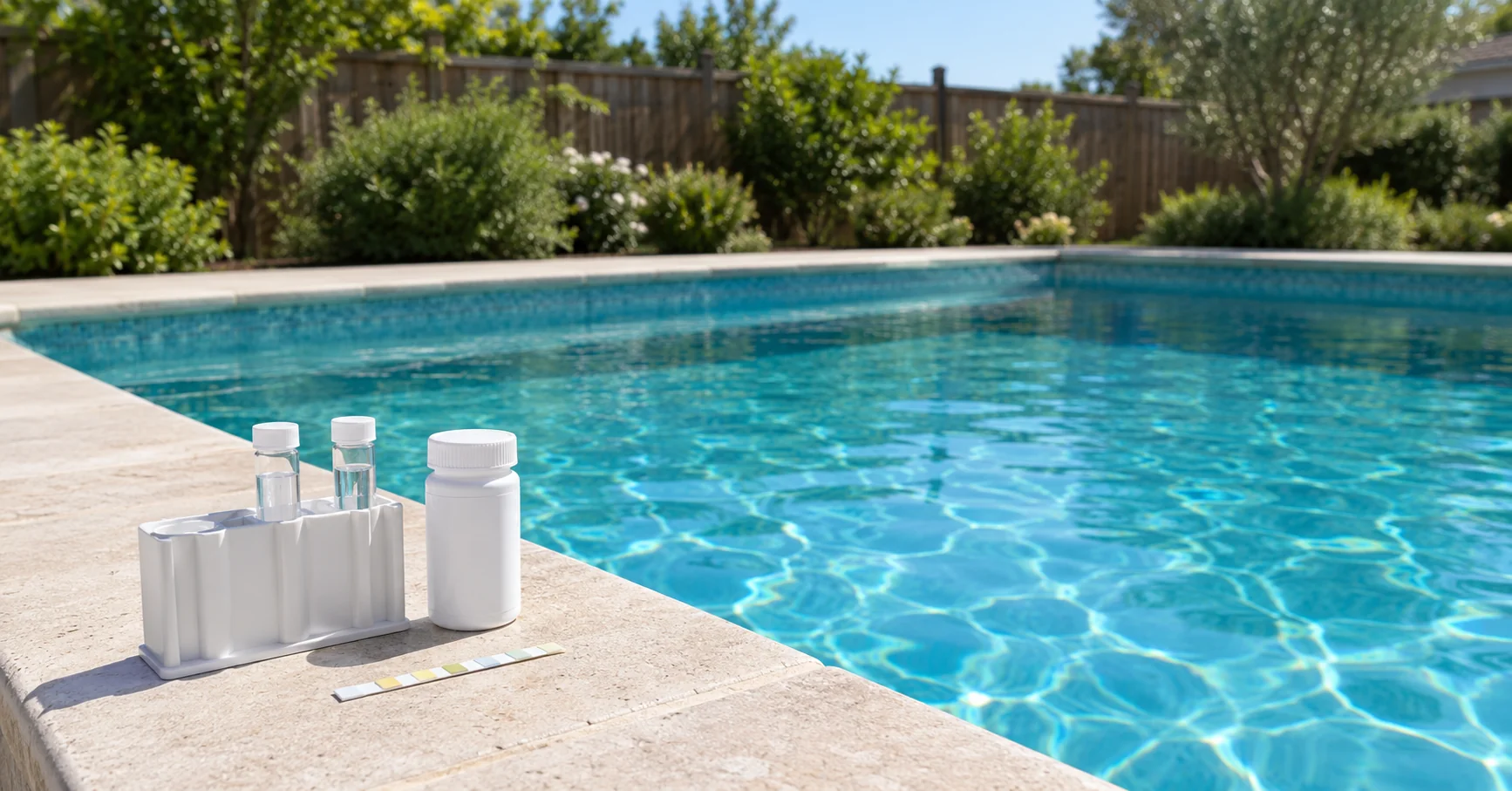
Pool volume, salt dosing and target chemical levels, with the math shown and your pool’s size built in.
Set your ZIP to see dates for your area.
 Water chemistry
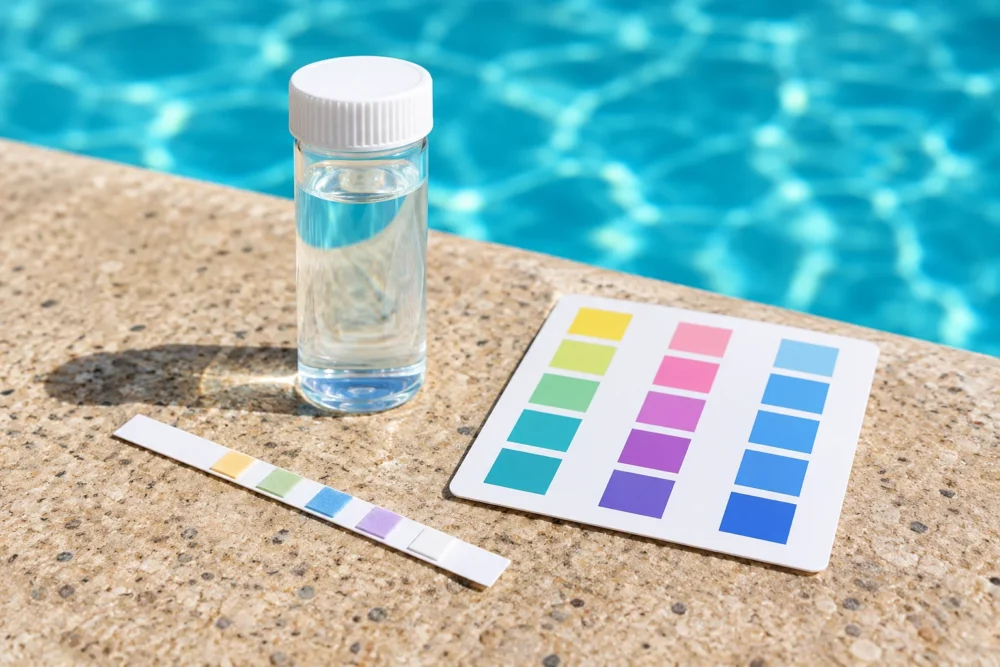
Target levels for chlorine, pH, alkalinity, calcium and stabilizer, how much shock to add, and how salt pools… 3 guides
Water chemistry
Target levels for chlorine, pH, alkalinity, calcium and stabilizer, how much shock to add, and how salt pools… 3 guides
 Opening & closing
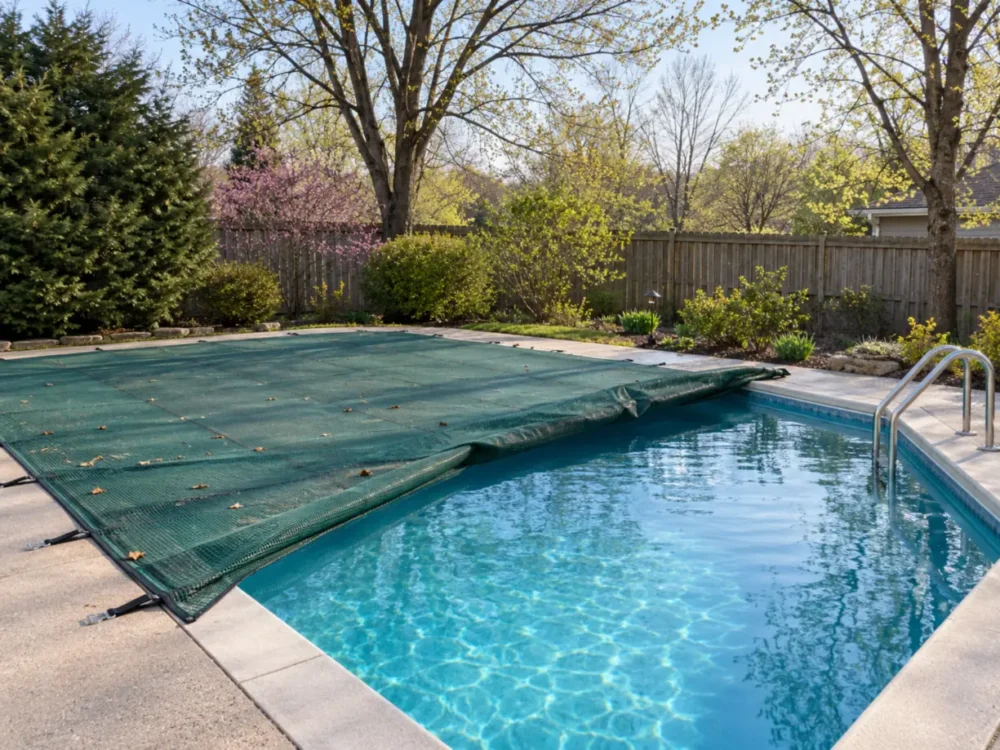
When to open your pool in spring and close it for winter, timed to your local climate, and… 2 guides
Opening & closing
When to open your pool in spring and close it for winter, timed to your local climate, and… 2 guides
 Hot tubs
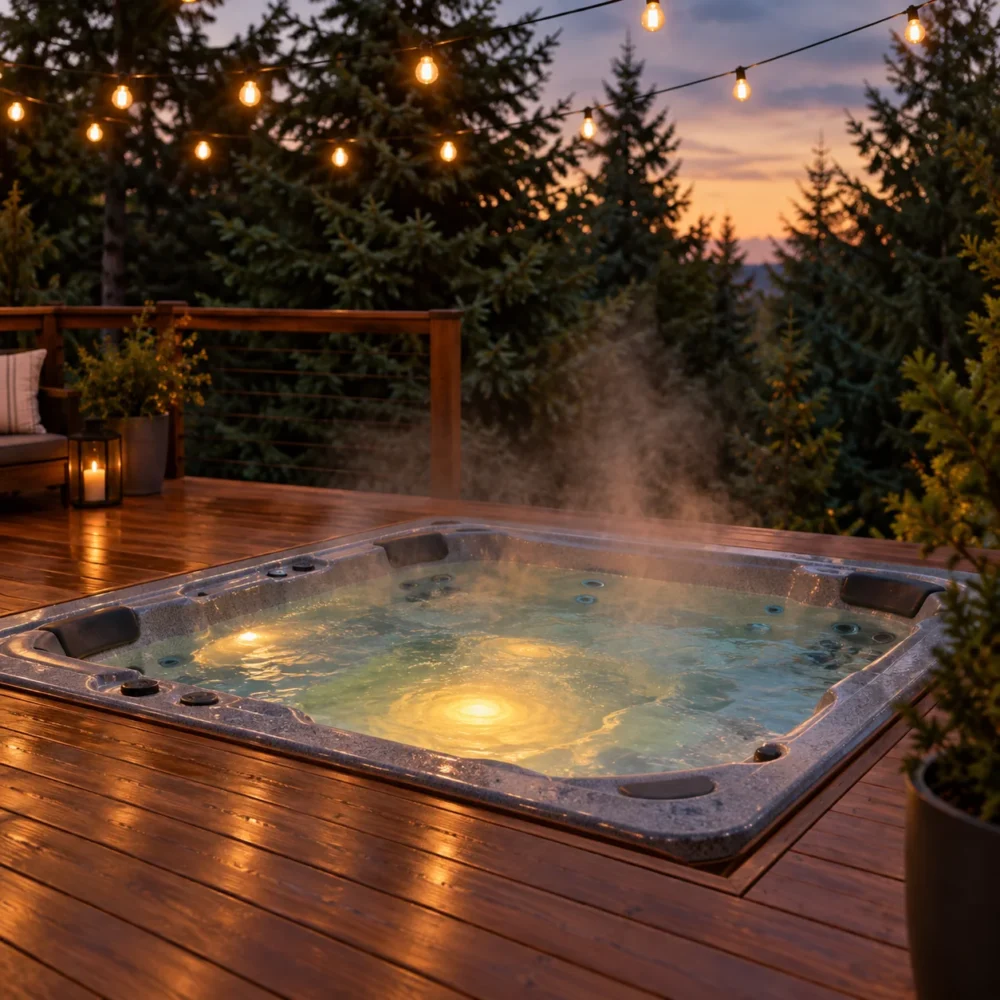
Hot tub water chemistry from CDC and state spa codes, what a tub costs to keep hot where… 3 guides
Hot tubs
Hot tub water chemistry from CDC and state spa codes, what a tub costs to keep hot where… 3 guides
Answers: how much salt do I add?
Answers: how many gallons is my pool?
Typical timing for most of the US, starting this month. Set your ZIP and the guides shift every date to your frost dates.
 In season now
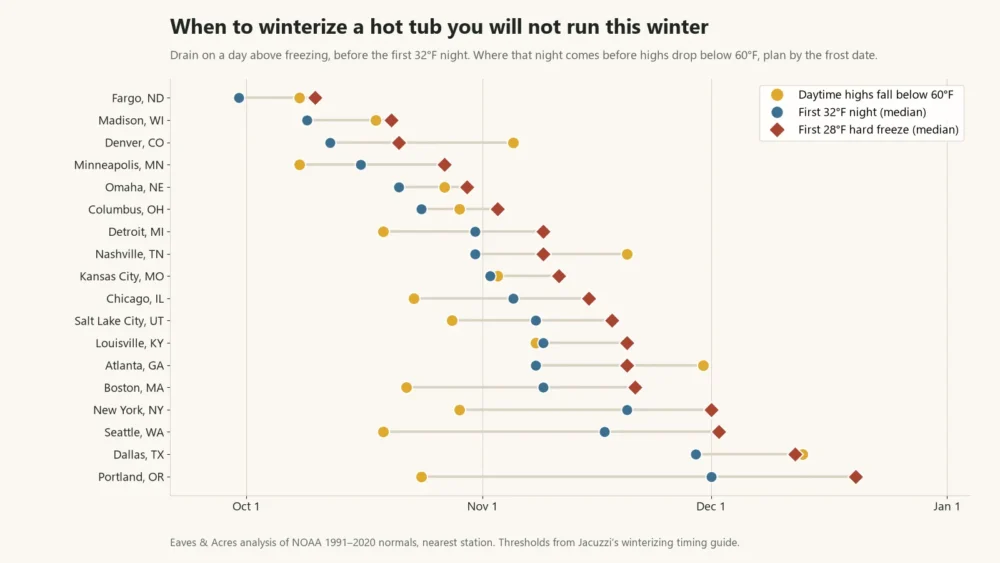
 Hot tub makers say a tub kept full, heated and covered protects itself from freezing. When to drain and winterize instead, with NOAA freeze dates and winter running costs for 21 US cities.
 In season now
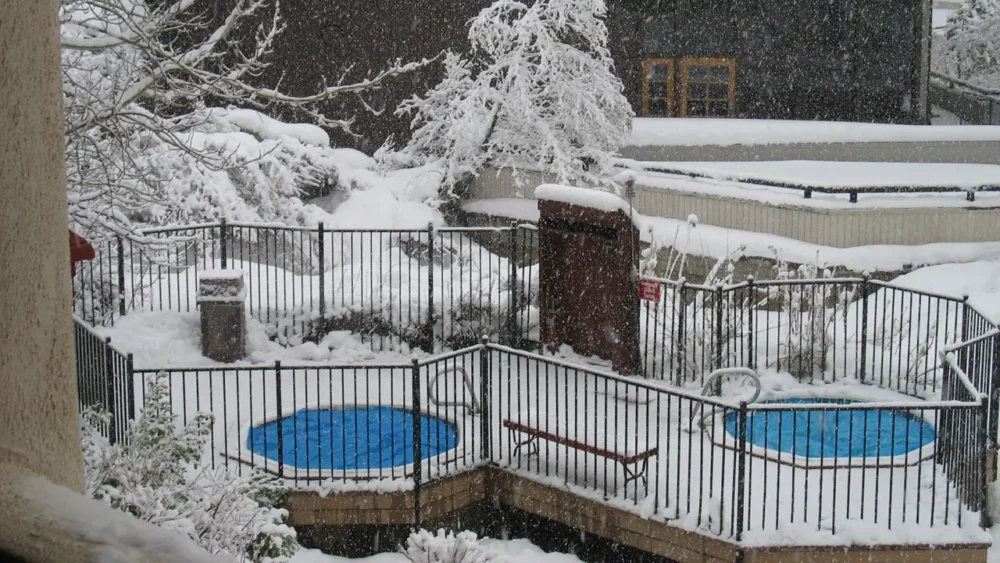
 The median hot tub certified in California costs about $25 a month to keep hot at the US average electricity price. Standby cost by month for 21 cities from CEC test data, NOAA normals and EIA prices.
 In season now
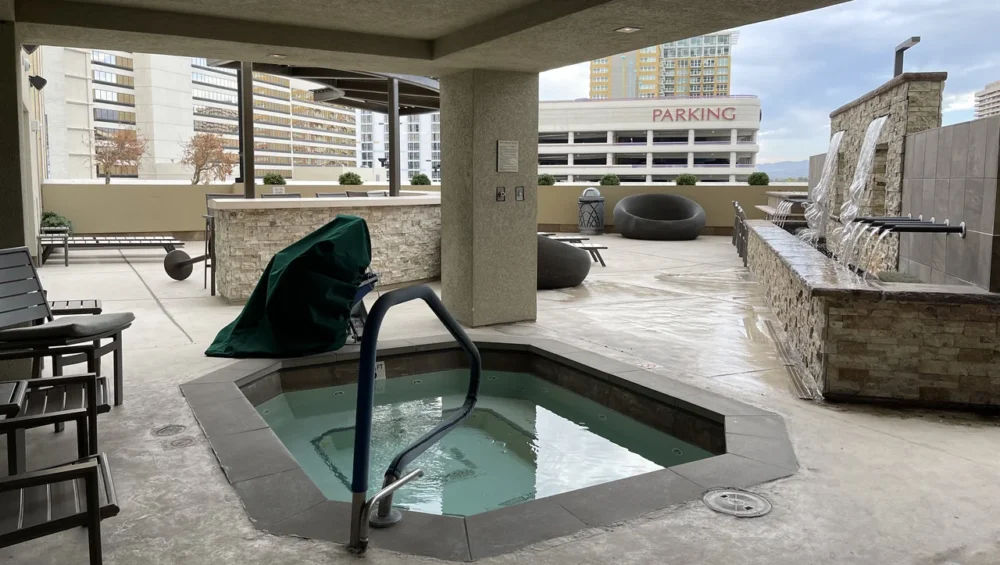
 CDC’s hot tub minimums are at least 3 ppm free chlorine or 4 ppm bromine, pH 7.0–7.8, no stabilizer and water no hotter than 104°F. Three state spa codes and three spa manuals compared, plus testing and refill schedules.
Try removing a season or content type. Or start with one of our most-read guides.
Hot tub makers say a tub kept full, heated and covered protects itself from freezing. When to drain and winterize instead, with NOAA freeze dates and winter running costs for 21 US cities.
The median hot tub certified in California costs about $25 a month to keep hot at the US average electricity price. Standby cost by month for 21 cities from CEC test data, NOAA normals and EIA prices.
CDC’s hot tub minimums are at least 3 ppm free chlorine or 4 ppm bromine, pH 7.0–7.8, no stabilizer and water no hotter than 104°F. Three state spa codes and three spa manuals compared, plus testing and refill schedules.
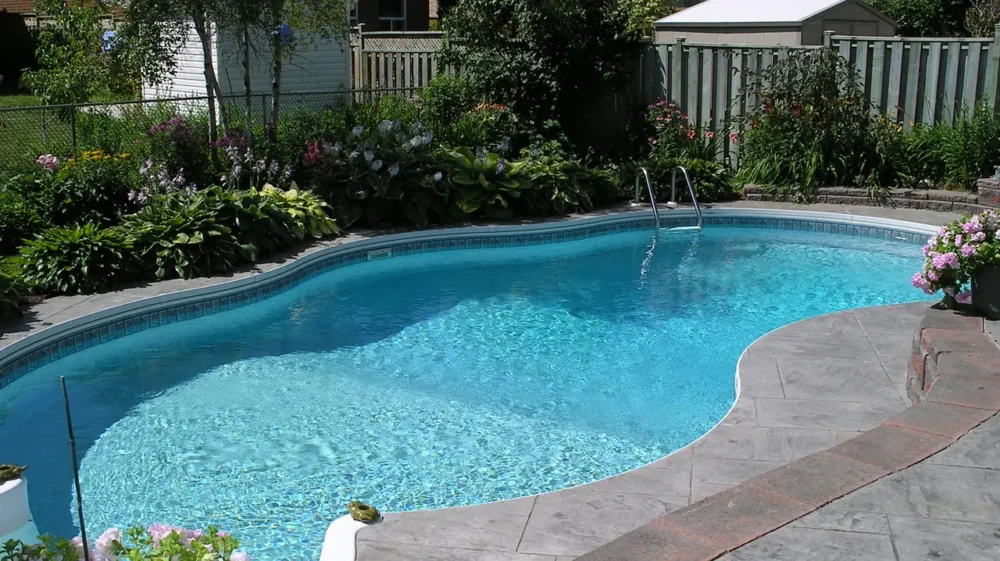
Open before the water warms past 60°F and after freezing nights end. Estimated opening dates for 49 cities from NOAA climate normals, and how the 70°F rule compares.
A saltwater pool is a chlorine pool: a salt cell makes the chlorine. Cell electricity and wear per gallon of liquid chlorine replaced, upkeep and corrosion from the manuals, and the stabilizer tablets add in 19 US cities.
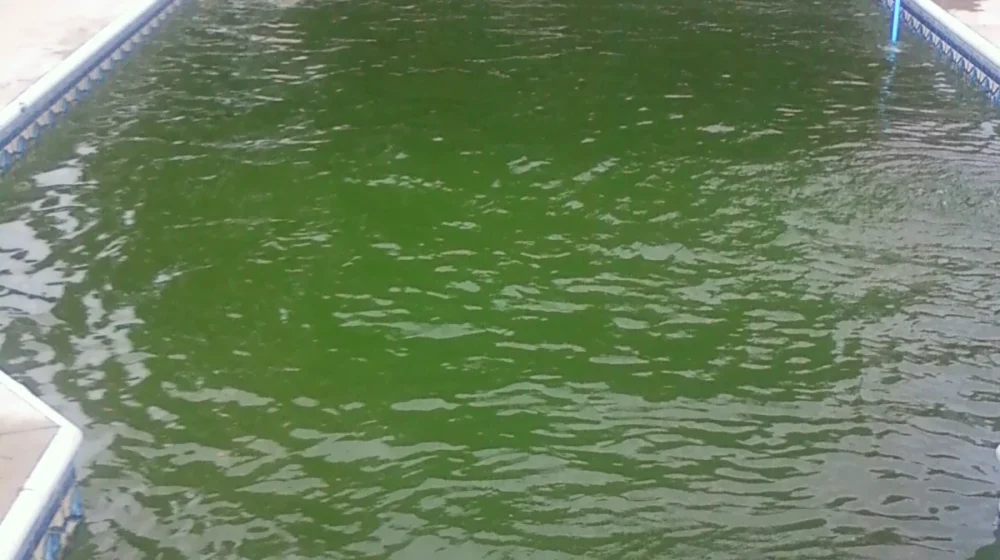
One label shock dose adds about 5–10 ppm free chlorine. Label doses for liquid chlorine, cal-hypo, dichlor and non-chlorine shock, SLAM levels by stabilizer, and the CYA that weekly dichlor adds by city.
Free chlorine 2–3 ppm, pH 7.4–7.6, alkalinity 80–120 ppm, calcium 200–400 ppm, stabilizer 30–50 ppm: every range tied to CDC or a manufacturer’s manual.
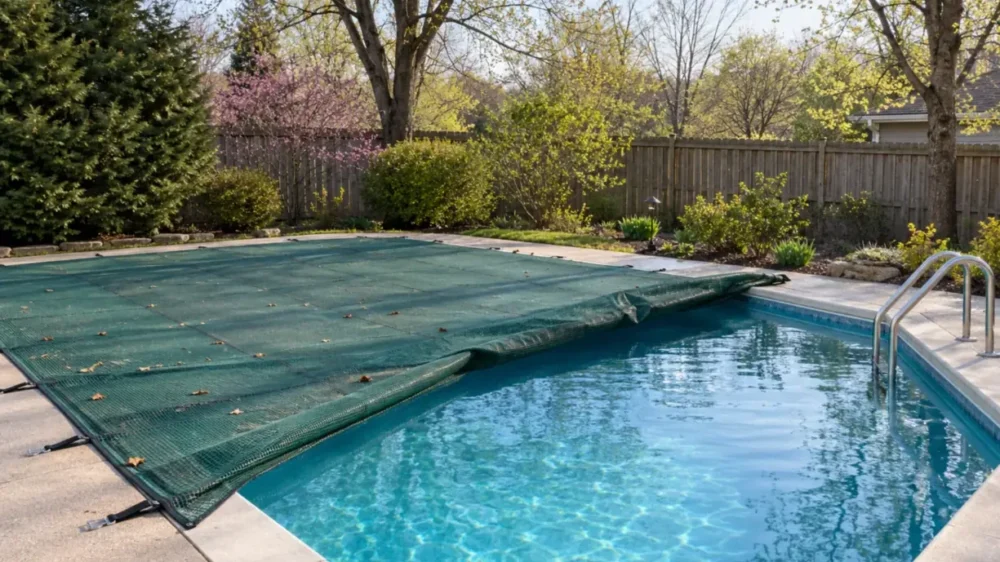
Close once the water stays below 65°F, or 60°F to be safer, and before freezing nights. Estimated dates for 46 cities from NOAA climate normals.
Most pool problems start with a guess: a dose added without knowing the volume, or salt added from a single test reading. Pentair, for one, rates its own salt sensor at ±500 ppm. Our calculators turn your pool’s size and today’s reading into a dose, checked against the manufacturers’ own charts, and the guides explain what each number protects you from.
We show the formula with every result and repeat the rules that matter most: test first, follow the label and the manufacturer’s manual, and never mix products. Seasonal guides use NOAA temperature and rainfall normals for your ZIP instead of a fixed calendar.
Get a short email when it’s time to overseed, start seeds, open the pool or service your furnace — timed to your climate.