
Pool Volume Calculator: How Many Gallons Is My Pool?
Answers: how many gallons is my pool?
Covers pool and hot tub water chemistry, opening and closing. We maintain the dosing calculators and check every rate against product chemistry and public health guidance.
15 guides · 2 tools · reviewed by the Data & Methodology Desk
This desk publishes under its own name. We don’t put personal names or credentials on pages unless a real, verifiable person reviewed that page, and we never invent experts. How our desks work.
Answers: how many gallons is my pool?
Answers: how much salt do I add?
An 18 ft round pool with 4 ft of water holds 7,614 gallons. Chart of 55 round, oval and in-ground sizes in gallons and liters, checked against Intex, Latham and city charts.

Cyanuric acid (stabilizer) shields pool chlorine from sunlight but holds it in a slower form. Labels set 20–60 ppm, CDC’s model code caps public pools at 90 ppm.
Add sodium bicarbonate with the pump running at your label’s rate: 1.5 lb per 10,000 gallons per 10 ppm on two labels, 1.4 lb in CDC’s model code Annex.

Swim again when a test shows free chlorine at or below your shock label’s limit, 4 ppm on the seven chlorine shock labels we read, with pH back in range.
Backwash sand and DE filters at the pressure rise your manual gives, about 8–10 psi, not by the calendar. Cartridge filters are hosed, not backwashed.
Lower pool pH with muriatic or dry acid at the dose your label gives. Four products’ directions compared for one 15,000-gallon pool, with CDC’s safety rules.
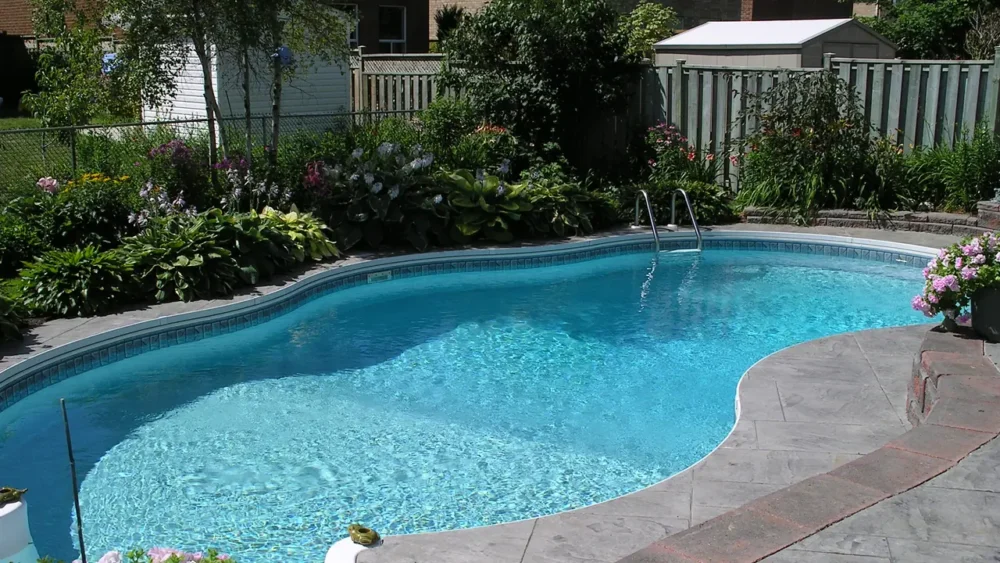
Run the pump for at least one turnover a day. Hours, energy and season cost from the certified flow and watts of approved pool pumps, DOE test points, NOAA normals and EIA prices.
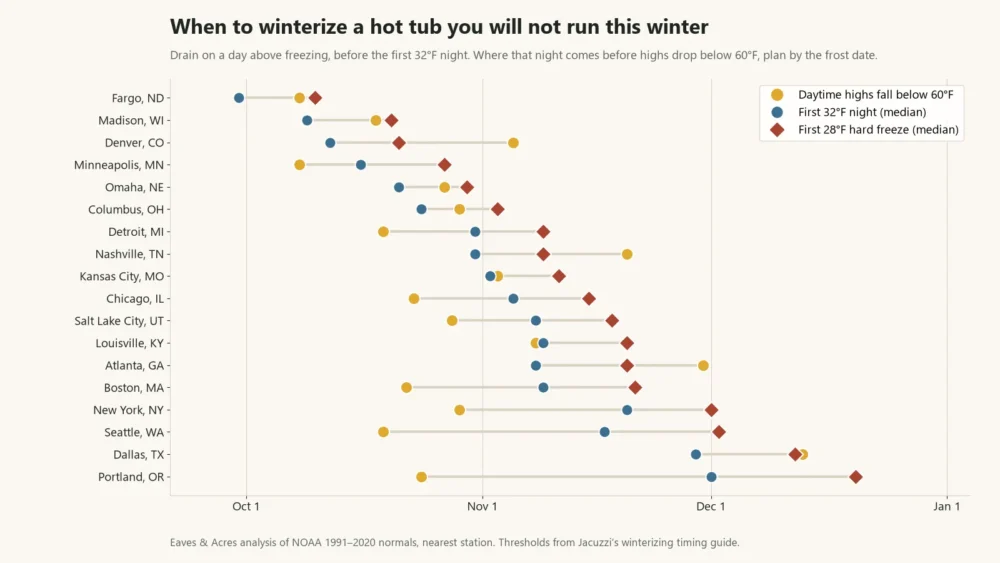
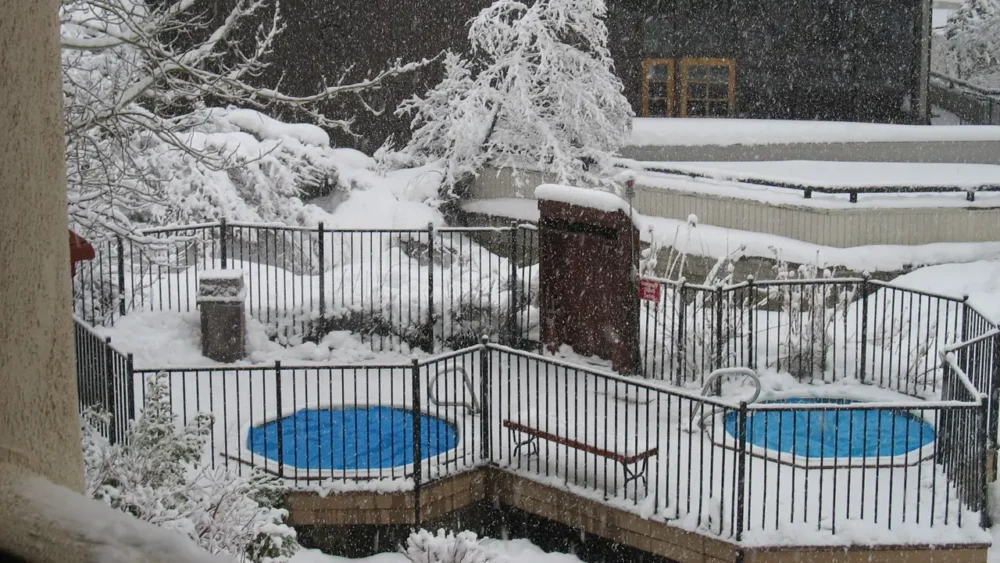
Hot tub makers say a tub kept full, heated and covered protects itself from freezing. When to drain and winterize instead, with NOAA freeze dates and winter running costs for 21 US cities.
The median hot tub certified in California costs about $25 a month to keep hot at the US average electricity price. Standby cost by month for 21 cities from CEC test data, NOAA normals and EIA prices.
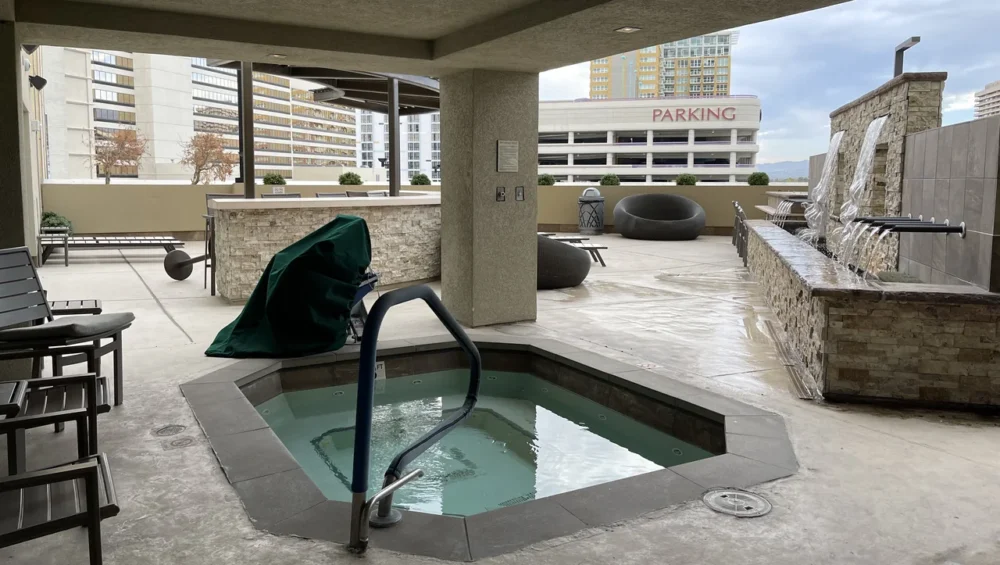
CDC’s hot tub minimums are at least 3 ppm free chlorine or 4 ppm bromine, pH 7.0–7.8, no stabilizer and water no hotter than 104°F. Three state spa codes and three spa manuals compared, plus testing and refill schedules.
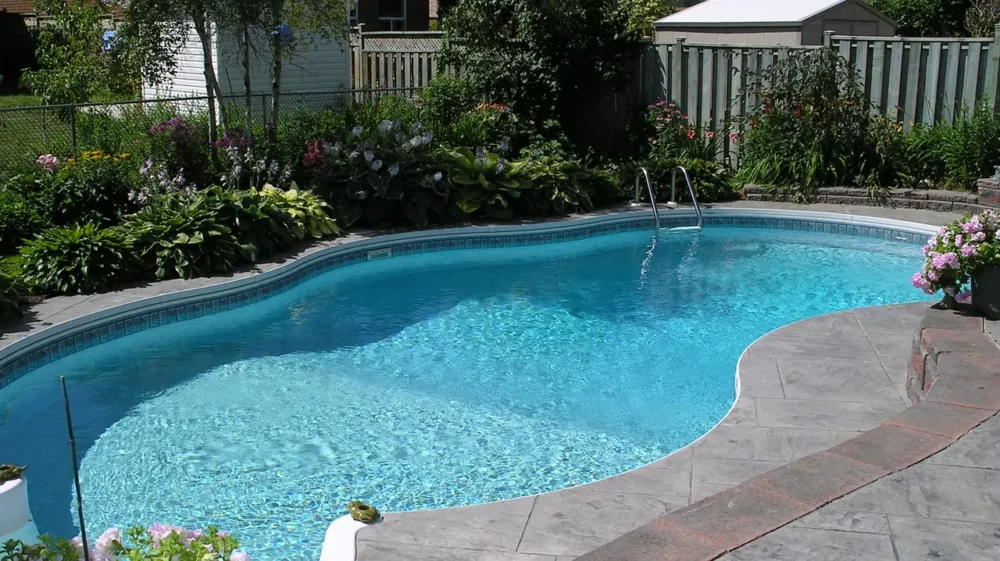
Open before the water warms past 60°F and after freezing nights end. NOAA-based opening dates for 18 states, Pennsylvania and 50 cities, and how the 70°F rule compares.
A saltwater pool is a chlorine pool: a salt cell makes the chlorine. Cell electricity and wear per gallon of liquid chlorine replaced, upkeep and corrosion from the manuals, and the stabilizer tablets add in 19 US cities.
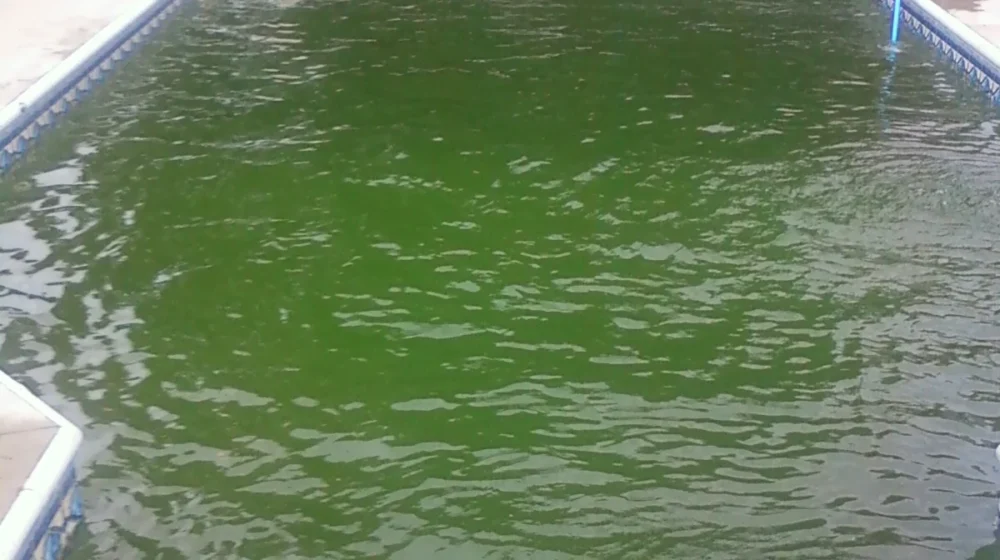
One label shock dose adds about 5–10 ppm free chlorine. Label doses for liquid chlorine, cal-hypo, dichlor and non-chlorine shock, SLAM levels by stabilizer, and the CYA that weekly dichlor adds by city.
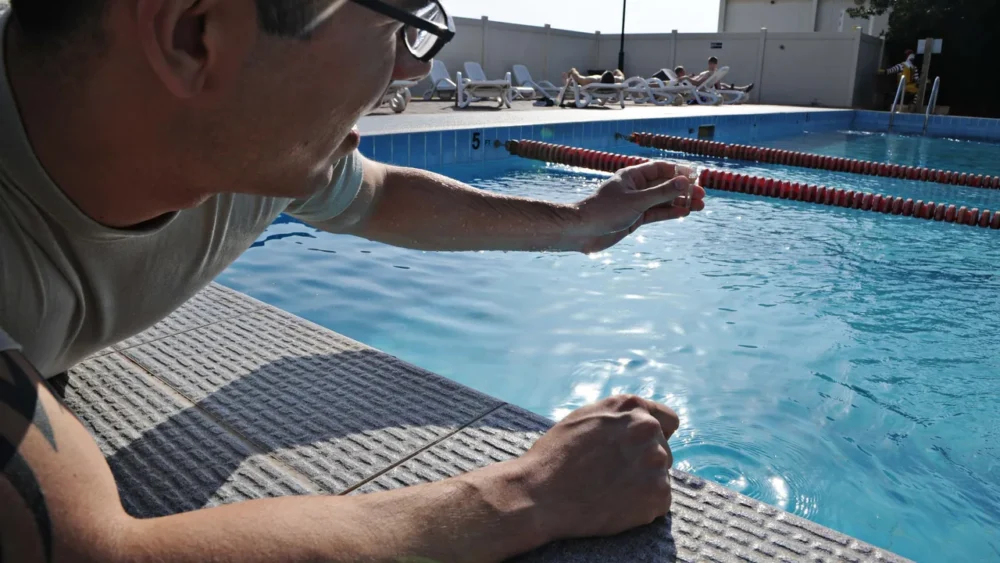
Free chlorine 2–3 ppm, pH 7.4–7.6, alkalinity 80–120 ppm, calcium 200–400 ppm, stabilizer 30–50 ppm: every range tied to CDC or a manufacturer’s manual.
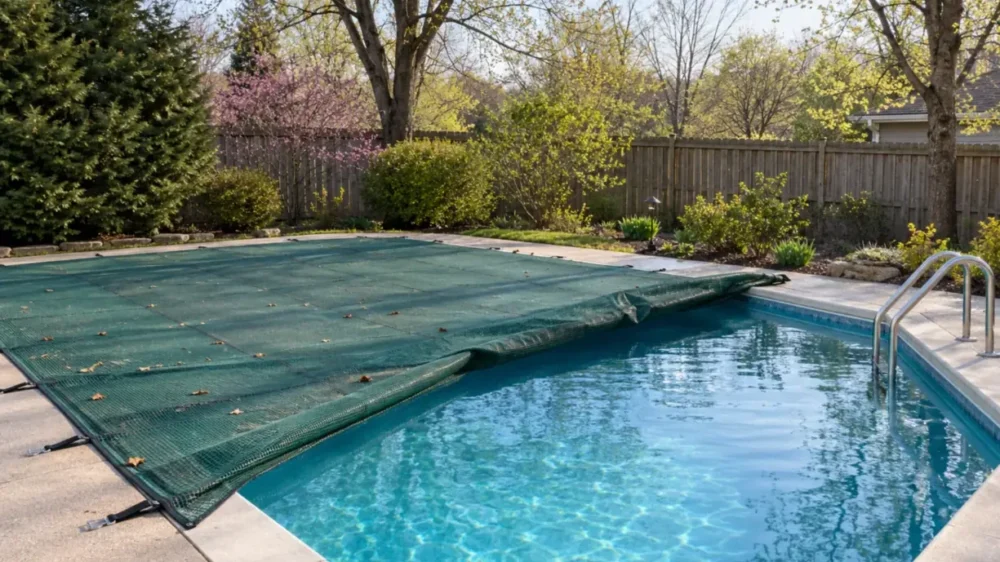
Close once the water stays below 65°F, or 60°F to be safer, and before freezing nights. Estimated dates for 48 cities from NOAA climate normals.
Get a short email when it’s time to overseed, start seeds, open the pool or service your furnace, timed to your climate.