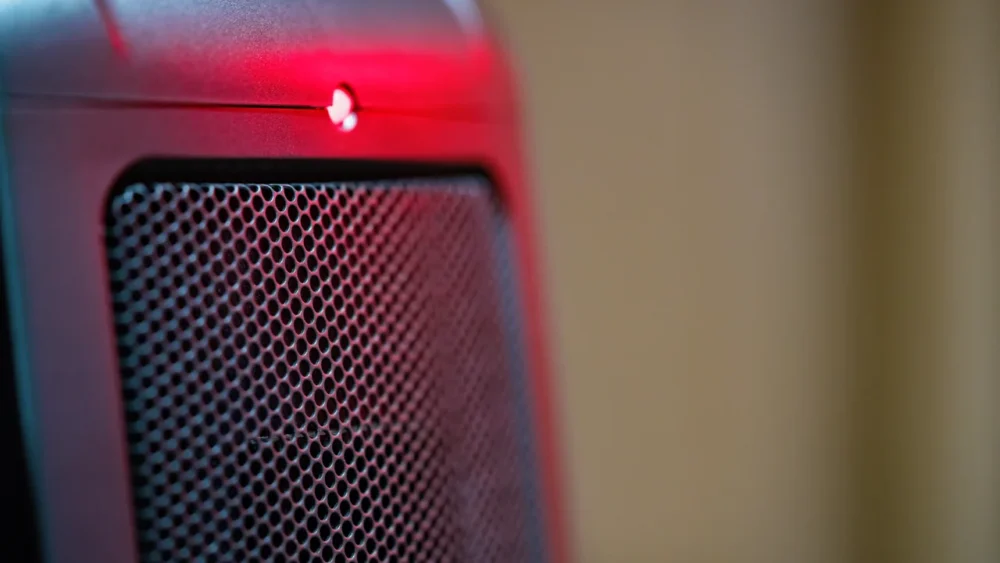
How Much Does It Cost to Run a Space Heater? Costs by State and City
A 1,500-watt space heater costs about 27¢ an hour at the 2026 US average electricity price. Costs by state and in 20 cities, and how its heat compares with a furnace or heat pump.
Practical guides for your home systems, pool, lawn and garden. Each one gives a direct answer first, then the dates and numbers for your climate.
96 guides · updated weekly
Try removing a season or content type. Or start with one of our most-read guides.
A 1,500-watt space heater costs about 27¢ an hour at the 2026 US average electricity price. Costs by state and in 20 cities, and how its heat compares with a furnace or heat pump.
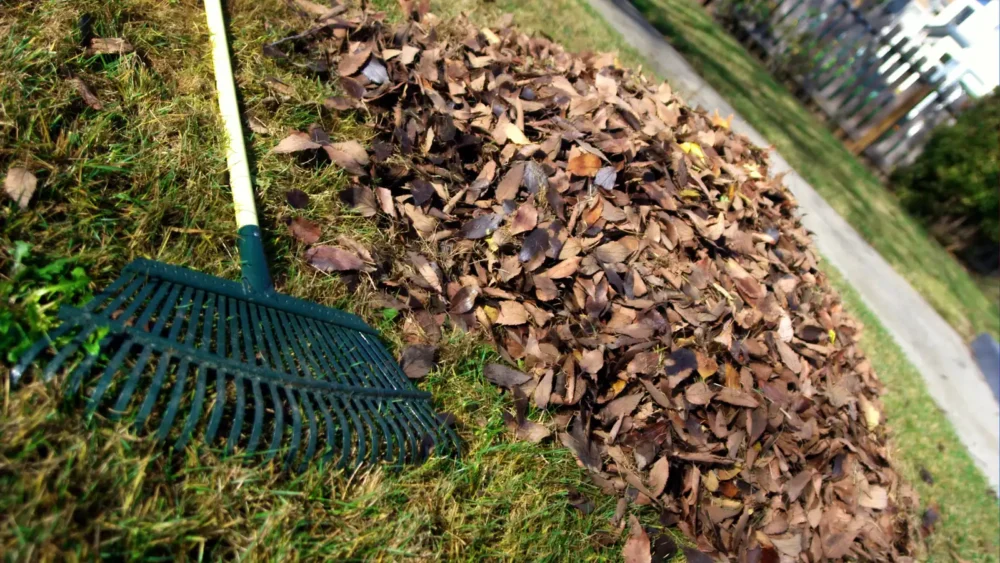
Usually not. Mow a light or moderate layer of leaves into the lawn until your last mow, and remove only what hides the grass. Extension thresholds, the research, and leaf deadlines for 20 US cities from NOAA normals.
Lime a lawn only when a soil test shows low pH, and spread it in fall or winter on dry, unfrozen turf so it has months to work. pH targets by grass, extension rates, NOAA freeze data for 22 cities, and where the West can skip it.
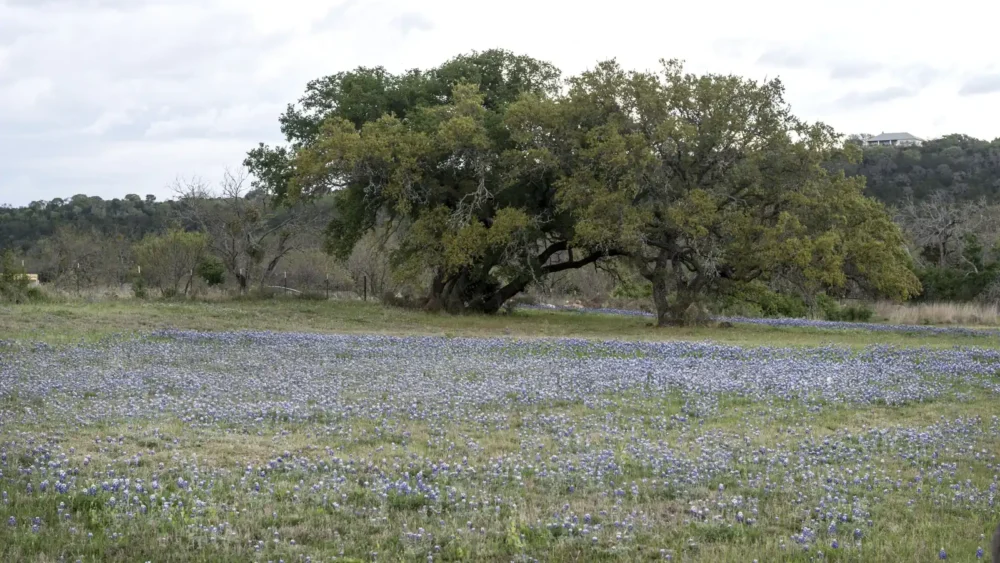
Most native wildflower seed does best sown in late fall or winter. Dormant-sowing dates for 24 US cities from NOAA hard-freeze normals, two common rules tested, and published calendars from Minnesota to Texas and Florida.
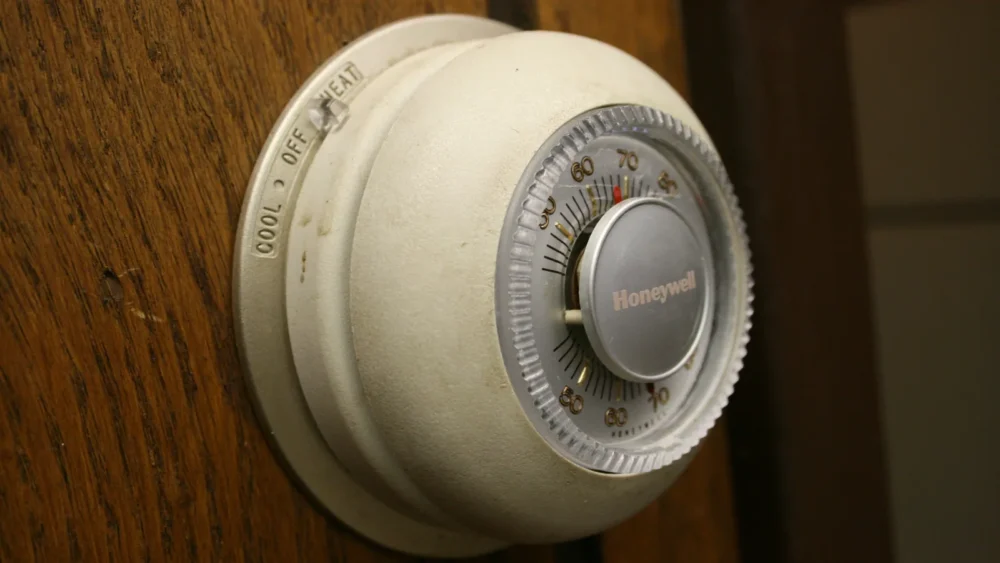
About 68°F while you are awake and 7–10°F lower at night for a furnace or boiler; a heat pump stays steady. What a setback saves in 20 US cities, plus the 55°F and health floors.
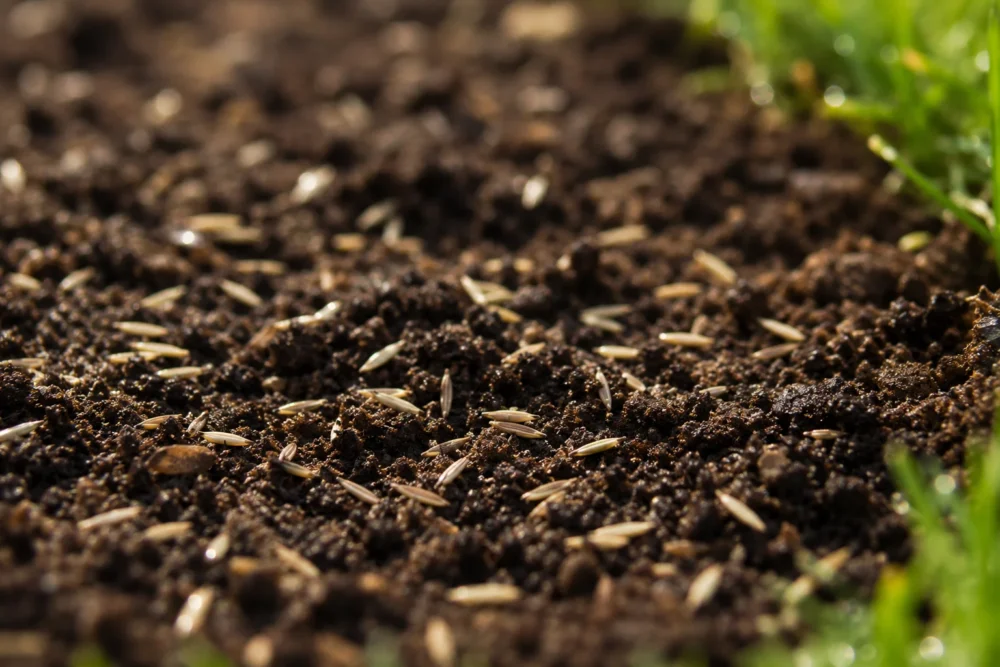
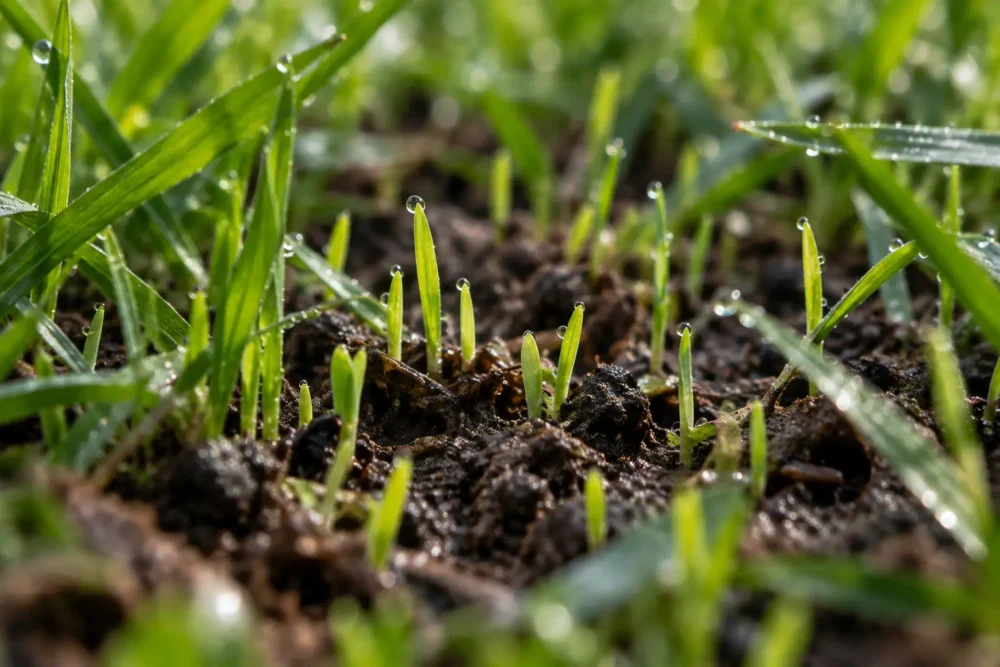
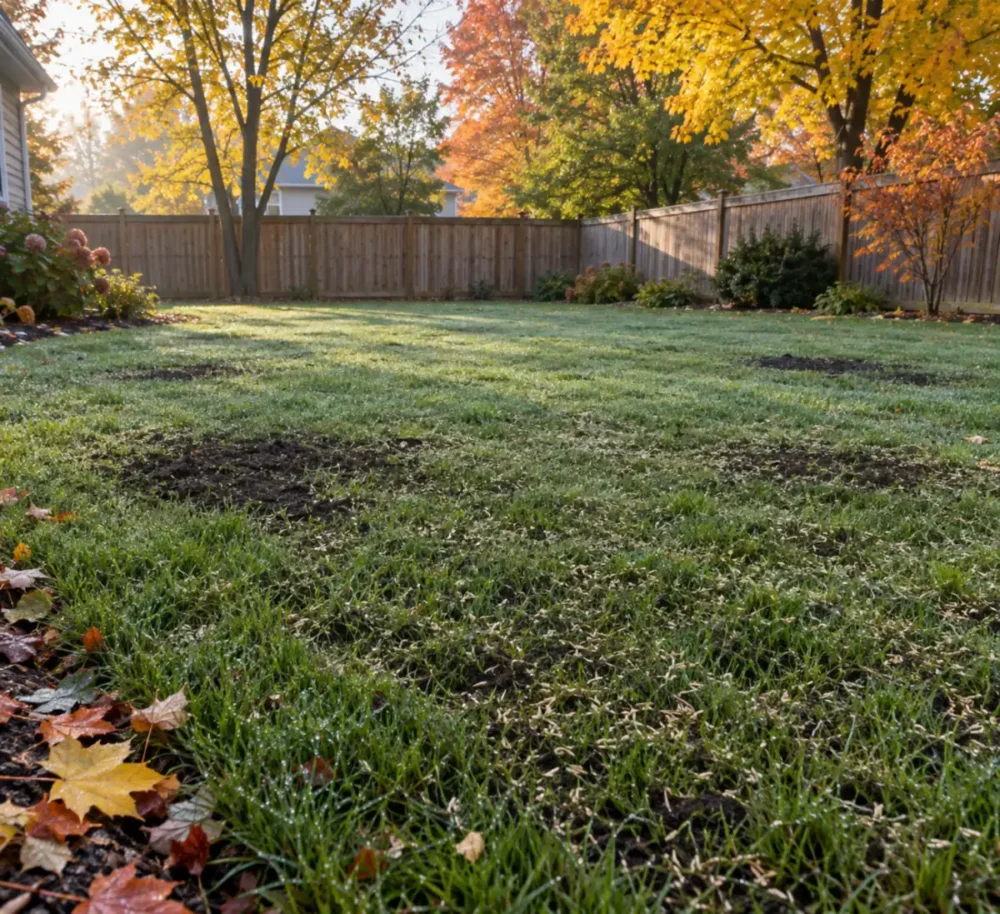
Most lawn grass seed germinates in 3 to 30 days, from about a week for ryegrass to a month for Kentucky bluegrass and Bermuda grass. NOAA’s measured soil temperatures show why early-fall seed comes up so much faster than spring seed.
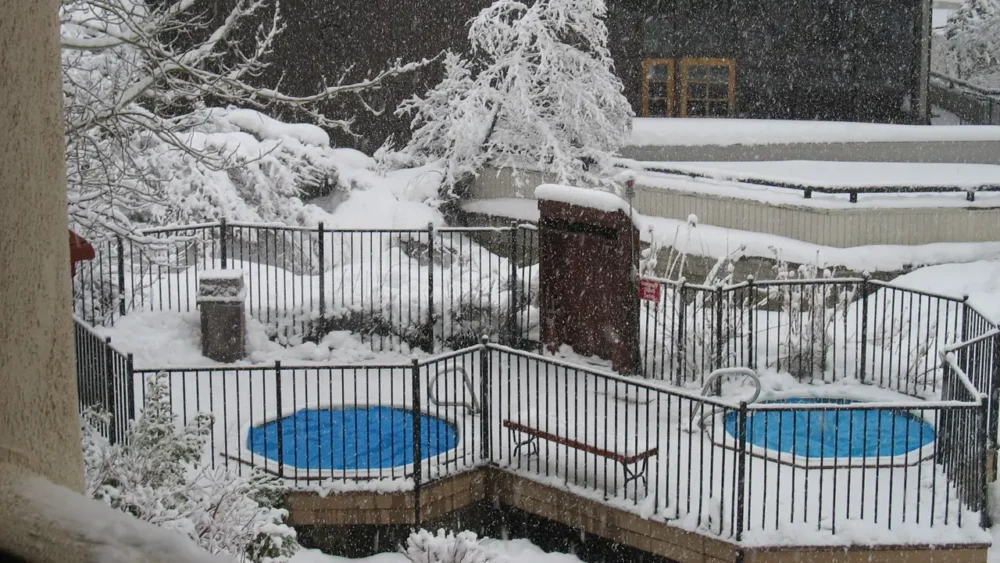
The median hot tub certified in California costs about $25 a month to keep hot at the US average electricity price. Standby cost by month for 21 cities from CEC test data, NOAA normals and EIA prices.
Answers: what planting zone am I in?
Answers: what size generator do I need?
Answers: how much salt do I add?
Answers: when is my last frost?
Sow seeds outdoors in covered jugs in winter and let the cold break their dormancy. Extension timing by seed type, plus the last start date for 30- and 60-day seeds in 22 cities from NOAA normals.
CDC’s hot tub minimums are at least 3 ppm free chlorine or 4 ppm bromine, pH 7.0–7.8, no stabilizer and water no hotter than 104°F. Three state spa codes and three spa manuals compared, plus testing and refill schedules.
Pipes in unheated spaces are most at risk at about 20°F outside, per a University of Illinois study. How often 20 US cities get there, and what to do before a freeze.
Drain a sprinkler system before the first fall freeze and no later than the first 28°F hard freeze. Normal-year freeze dates for 31 US cities from NOAA, the three drain methods and backflow protection.
Most homes should run a water heater at 120°F. What DOE, CDC, CPSC, EPA and OSHA each say, how fast hotter water burns, and what a lower setting really saves.
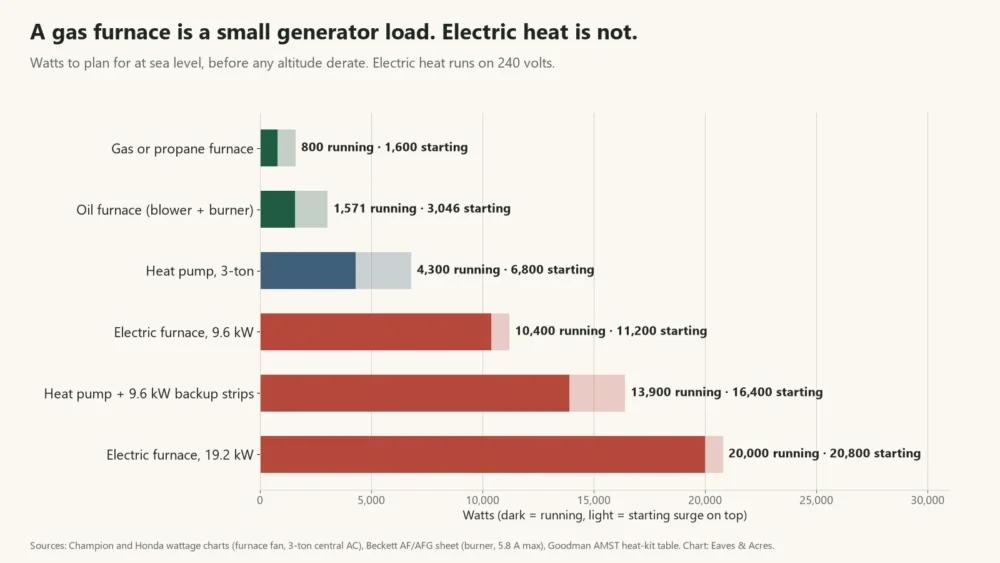
A gas or propane furnace needs about 300–875 running and 1,600–2,350 starting watts. What oil furnaces, electric furnaces and heat pumps draw, from generator charts and furnace spec sheets, with the altitude derate for 15 cold-winter cities.
Feed a cool-season lawn its winterizer around the last mowing, weeks after the first frost and before your state’s cut-off. Warm-season lawns get no late-fall nitrogen.
Plant daffodils from when fall nights reach 50°F until your first frost, before the 28°F hard freeze. Dates for 24 cities, checked against nine extension calendars, plus Southern types that need no chilling.
Open before the water warms past 60°F and after freezing nights end. NOAA-based opening dates for 18 states, Pennsylvania and 50 cities, and how the 70°F rule compares.
A saltwater pool is a chlorine pool: a salt cell makes the chlorine. Cell electricity and wear per gallon of liquid chlorine replaced, upkeep and corrosion from the manuals, and the stabilizer tablets add in 19 US cities.
What changed on the 2023 USDA hardiness zone map and why, with the 2012-to-2023 change for 39,899 ZIP codes by state and city.
Count back from your first fall frost: days to maturity plus a 14-day fall factor, and 14 more for tender crops. Last planting dates for 20 US cities from NOAA normals.
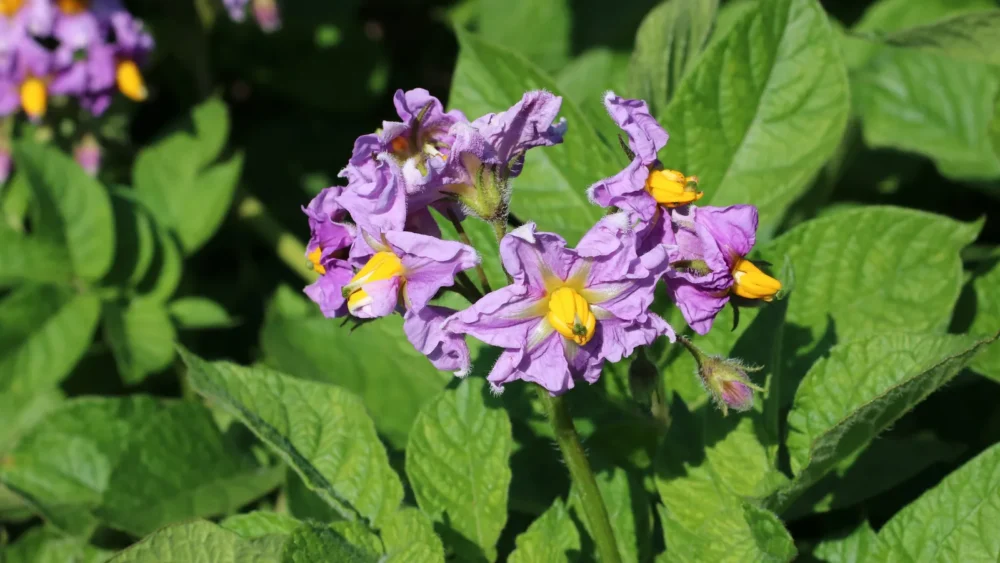
Plant potatoes two to four weeks before your last frost, once 4-inch soil reaches 45°F. Dates for 22 cities from NOAA normals and 12 springs of measured soil data.
Bermuda grass greens up between the last spring frost and the first 60°F nights. Normal-year dates for 33 Southern cities from NOAA normals, checked against 13 extension reports, and why a lawn can be late.
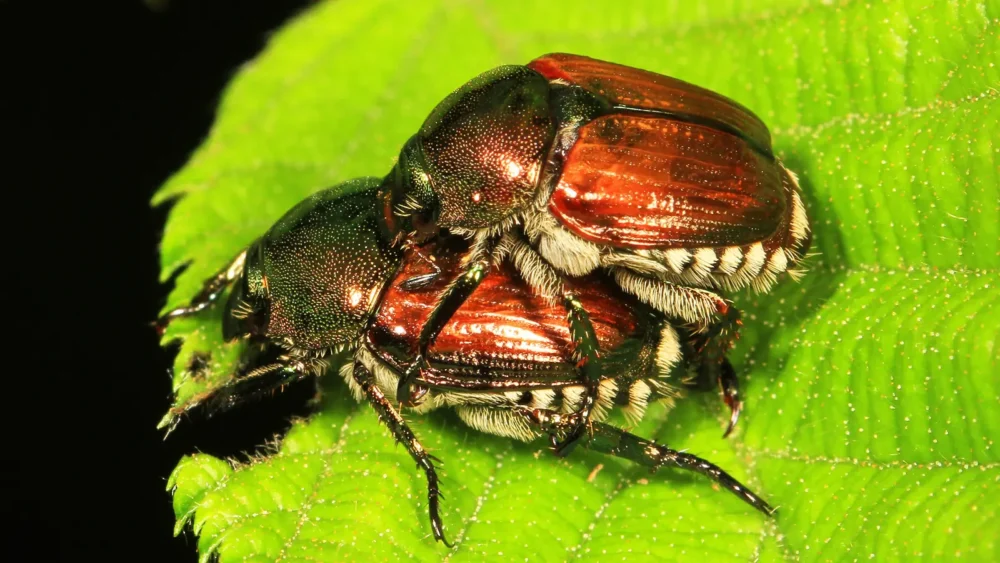
Put preventive grub control down as Japanese beetles lay eggs, usually mid-June to mid-July, and curatives in August. Normal-year beetle flight and preventive target dates for 29 US cities from NOAA normals, checked against extension advice.
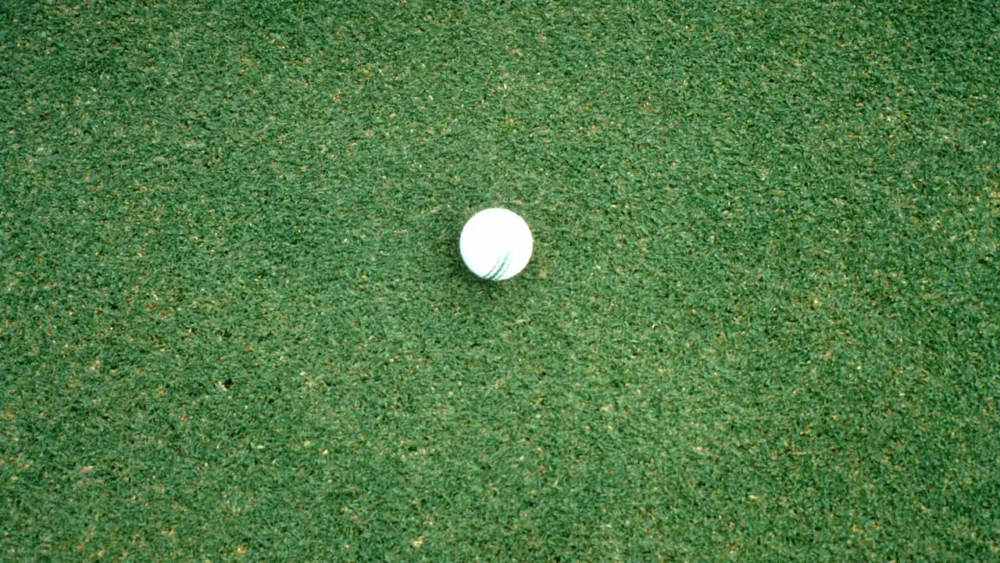
Get cool-season seed down before the top 2 inches of soil reach 50°F, and wait for 65°F soil for Bermuda grass. Typical dates for 48 US cities from NOAA’s measured soil temperatures and climate normals.
A last frost date is a probability, not a deadline. What NOAA’s 10%, 30%, 50% and 90% dates mean, and a test of how often they held up at 967 airport stations.
One label shock dose adds about 5–10 ppm free chlorine. Label doses for liquid chlorine, cal-hypo, dichlor and non-chlorine shock, SLAM levels by stabilizer, and the CYA that weekly dichlor adds by city.
Get a short email when it’s time to overseed, start seeds, open the pool or service your furnace, timed to your climate.